
THE DEAD WE KNEW: Open World Survival is Building Hype With Realistic Gameplay
After years of disappointing zombie survival projects, The Dead We Knew is gaining attention by showing real gameplay, setting realistic expectations, and launching later this month.
News by Tahmid Mahi on Aug 05, 2026
Open-world zombie survival games have been chasing the same dream for years, but few have been able to deliver everything players have been hoping for. Studios have attempted to mix survival mechanics with open-world exploration and zombie-infested environments time and time again, but rarely do they succeed in one complete package.
Whether the projects came from major AAA developers or small independent teams, the goal has remained the same. You wake up in a dangerous world, search abandoned towns for supplies, build a safe shelter, fight to stay alive, and slowly create a new life in the middle of an apocalypse.
That formula continues to attract players because it still feels like there is room for someone to get it right.
Many games have succeeded in specific areas by offering strong survival systems, fun zombie combat, or amazing open worlds. But bundling all those ideas into one polished experience has been a lot harder than many developers thought it would be.
It is this desire for the perfect zombie survival experience that has helped The Day Before gain so much attention in the lead-up to release. On paper, it looked as if it had the potential to become the ambitious open-world survival game that many players had been waiting for.
Instead, the project became one of the industry's biggest disappointments, leaving many fans far more cautious whenever another developer announced a similar concept. Since then, expectations have shifted, and players have become much more interested in seeing real gameplay than listening to ambitious promises.
That is one of the biggest reasons why The Dead We Knew has started appearing on players' radar. Instead of attempting to convince everyone that it’s going to redefine the entire genre, the developers have adopted a much more grounded approach.
They have shown gameplay footage, explained the core survival systems, confirmed a release date of August 24, and focused on demonstrating what players will actually experience. Instead of relying on years of cinematic trailers and marketing promises, the game is showing what its mechanics can do.
Everything shown so far suggests the studio is concentrating on delivering a focused survival experience rather than chasing unrealistic ambitions.
As more gameplay footage has been revealed, it has become increasingly clear that the developers understand what many survival fans have been asking for over the years. Most players are no longer expecting every new release to revolutionize the genre. They simply want a believable universe that rewards exploration, preparation, and careful decision-making.
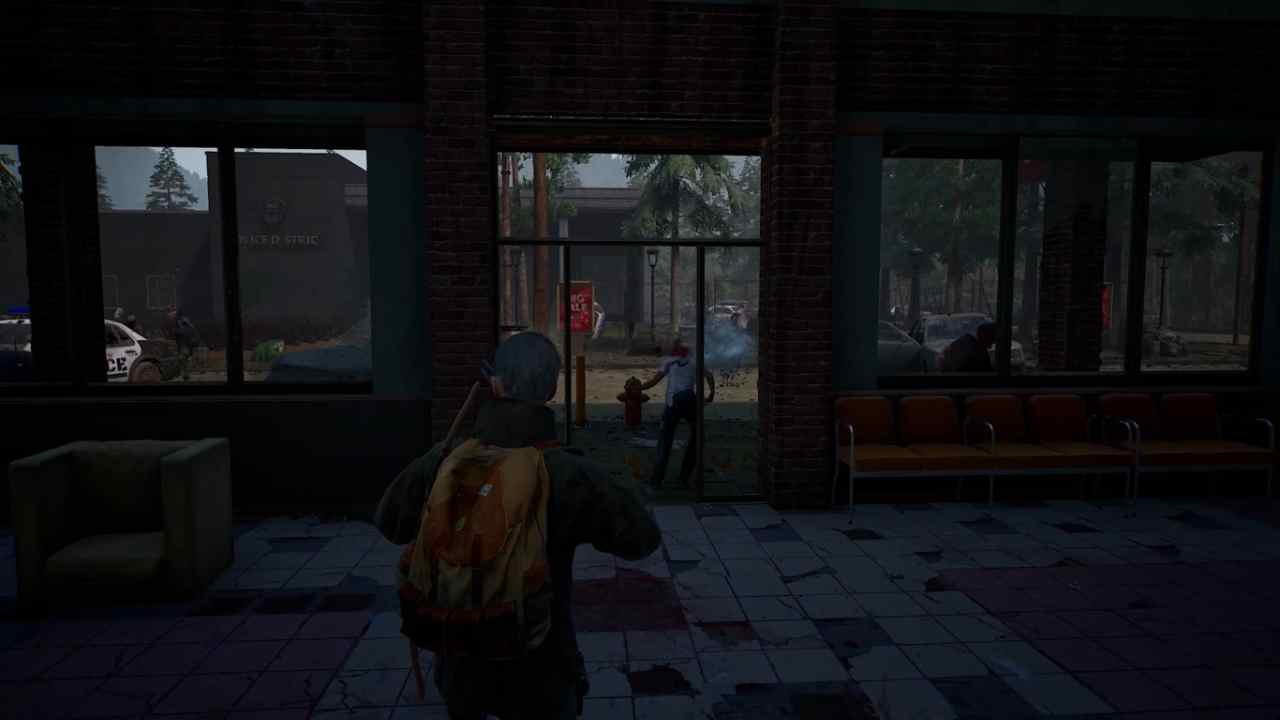
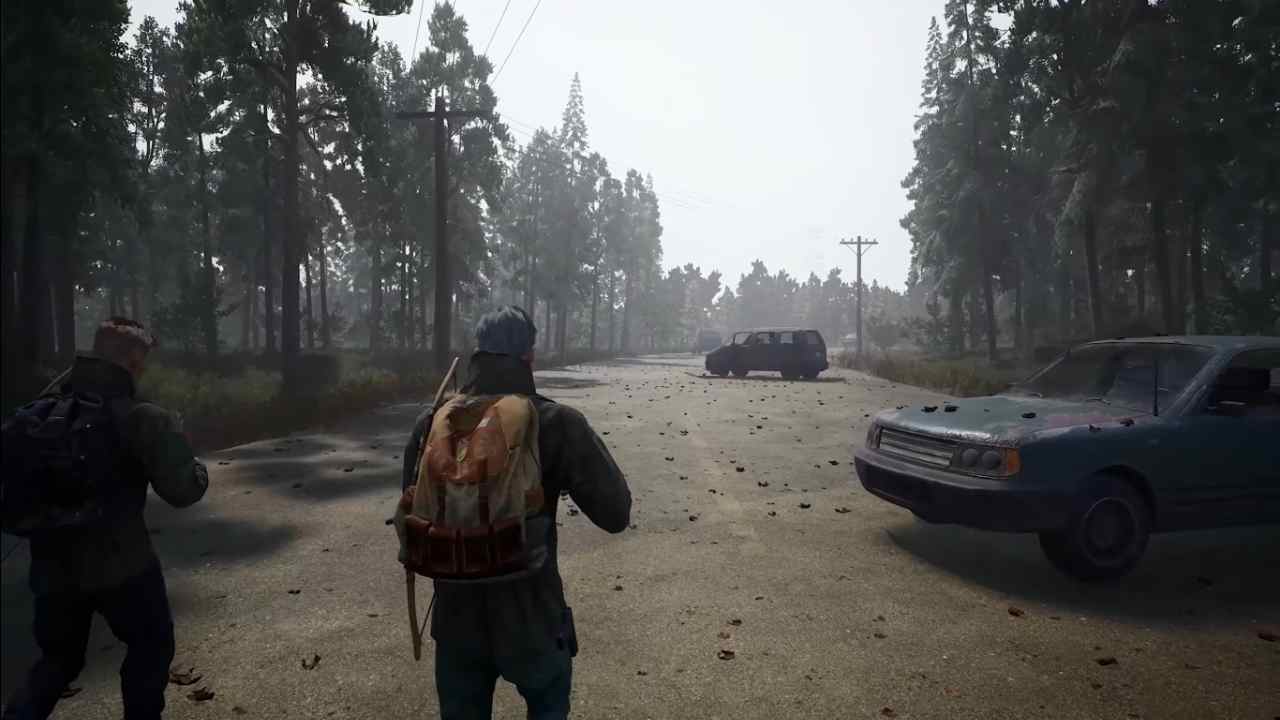
The core gameplay is exploring abandoned places, gathering useful resources, building up your shelter and managing your supplies while being constantly under threat of zombies. Every trip away from your base appears to carry meaningful risk because resources are limited and danger can appear at any moment.
Although the game is clearly being developed with a much smaller budget than some of its competitors, that smaller scope may actually work to its advantage. Instead of trying to include every possible feature, the developers appear to be focusing on making a smaller number of systems work well together.
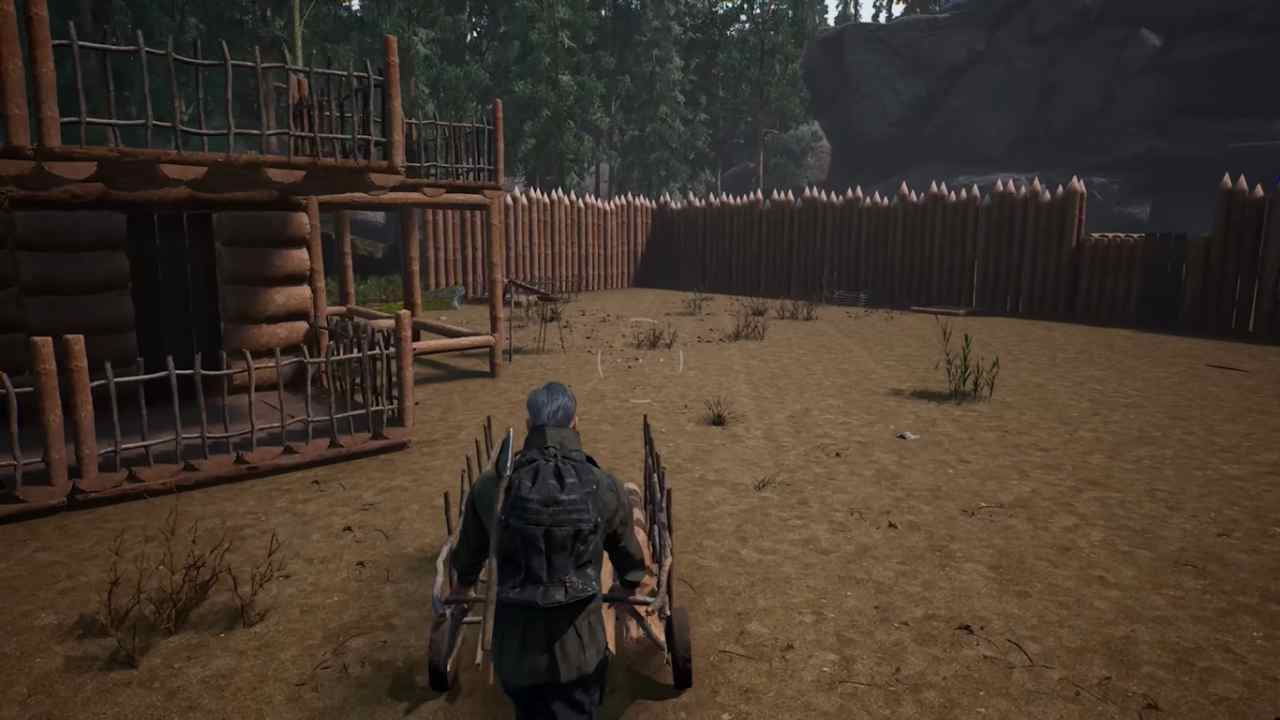
That philosophy can often lead to better games, especially in the survival genre. Smaller development teams often do better by focusing on delivering a clear vision, rather than promising features that may never be delivered, and by setting realistic goals. Your shelter becomes the hub of your entire adventure in The Dead We Knew.
A small place to stay that grows slowly into a fully developed base where you organize your equipment, craft new supplies, prepare meals, recover from dangerous expeditions, and get ready for another trip out into the world.
The sense of movement makes each successful expedition more important.
You spend hours scavenging for resources, dodging zombies, and every little improvement you make to your shelter feels like a well-deserved reward from careful planning and survival. Your base isn't just a building mechanic, it's a representation of the time and effort you put in during the game.
Dynamic weather is expected to play an important role in how you approach exploration. Rain can arrive without warning, the wind changes naturally, and shifting visibility can completely alter the way you move through the environment. One of the more interesting mechanics shown so far is the fog system, which goes beyond creating atmosphere.
That lone mechanic has the potential to make each expedition feel far less predictable. Instead you might find yourself relying on sound, carefully watching your surroundings and deciding if it's worth pushing deeper into dangerous areas, or just retreating to your shelter safely.
Instead of scripted jumps, the game appears to be organically building tension with its environmental systems. If those mechanics work as intended, exploration could remain engaging long past the opening hours.
There is more to survival than just stocking up on canned food and medicine in empty buildings. Hunting wildlife, growing crops, preparing proper meals, and carefully managing your available resources all appear to play an important role in keeping your character alive.
None of those mechanics are completely new on their own, but they become much more interesting when combined with exploration, cooperative play, and long-term base building. Combined, they form the sort of gameplay loop that has helped so many survival games remain popular for years.
The greatest challenge for any survival game has never been introducing individual features.
The real test is making every system work together in a way that keeps players invested for dozens or even hundreds of hours. Based on everything revealed so far, The Dead We Knew seems focused on creating that balance instead of introducing unnecessary mechanics.
One advantage the game already has is how close it is to release. Rather than asking players to wait several more years while promising future features, the developers are preparing to launch the game on August 24. That means players will soon be judging a finished product instead of relying entirely on previews, trailers, and marketing material.
The comparison with The Day Before is almost impossible to avoid, but the two projects appear to be taking very different approaches. Nobody can honestly say yet whether The Dead We Knew will become the open-world zombie survival game players have been waiting for, and making those claims before launch would be premature.
What can be said is that the project appears far more realistic about its goals than many similar games announced recently. That alone has helped generate cautious optimism among survival fans. By keeping expectations grounded and showing tangible progress instead of making oversized promises, the developers have already earned more trust than many projects at a similar stage of development.
The developers also appear to understand the importance of working within their scope. The developers are focusing on the fundamentals instead of promising features like hundreds of players sharing the same server, revolutionary artificial intelligence, or the largest open world ever created.
The zombie survival genre has also been relatively quiet recently.
Established titles like DayZ, Project Zomboid, 7 Days to Die, and Dying Light continue to maintain active communities, but none of them fully capture the specific fantasy many players still want. The demand for a modern open-world survival game that successfully combines exploration, immersive survival systems, meaningful base building, cooperative play, and a believable world has never truly disappeared.
Whether The Dead We Knew ultimately becomes a major success remains to be seen, but it has already achieved something valuable before launch. After years of disappointment within the genre, many players are approaching the game with cautious optimism instead of unrealistic expectations.
If the final release delivers the experience that has actually been shown rather than relying on exaggerated promises, The Dead We Knew could easily become one of this year's biggest indie surprises and a game that survival fans continue talking about long after its release.
Editor, NoobFeed
Related News
No Data.