
DDR5 and HBM Supply Crunch Explained Amid Exploding AI Demand
Global RAM supply tightens as AI data centers absorb unprecedented shares of memory production capacity.
Hardware by Nahe Yan on Mar 02, 2026
Imagine going to a place that sells electronics in a few years. The cases look like old things, and the shelves are full, but the prices make you think twice. It costs more than expected to buy a laptop. The launch of a video game system has been pushed back once more.
There is no longer a way to update your phone. There aren't any big news stories or events to point to; buying technology has gotten harder. That future situation is already happening. A key part of modern computing is under significant stress behind the scenes. RAM, or random access memory, is what it's called.
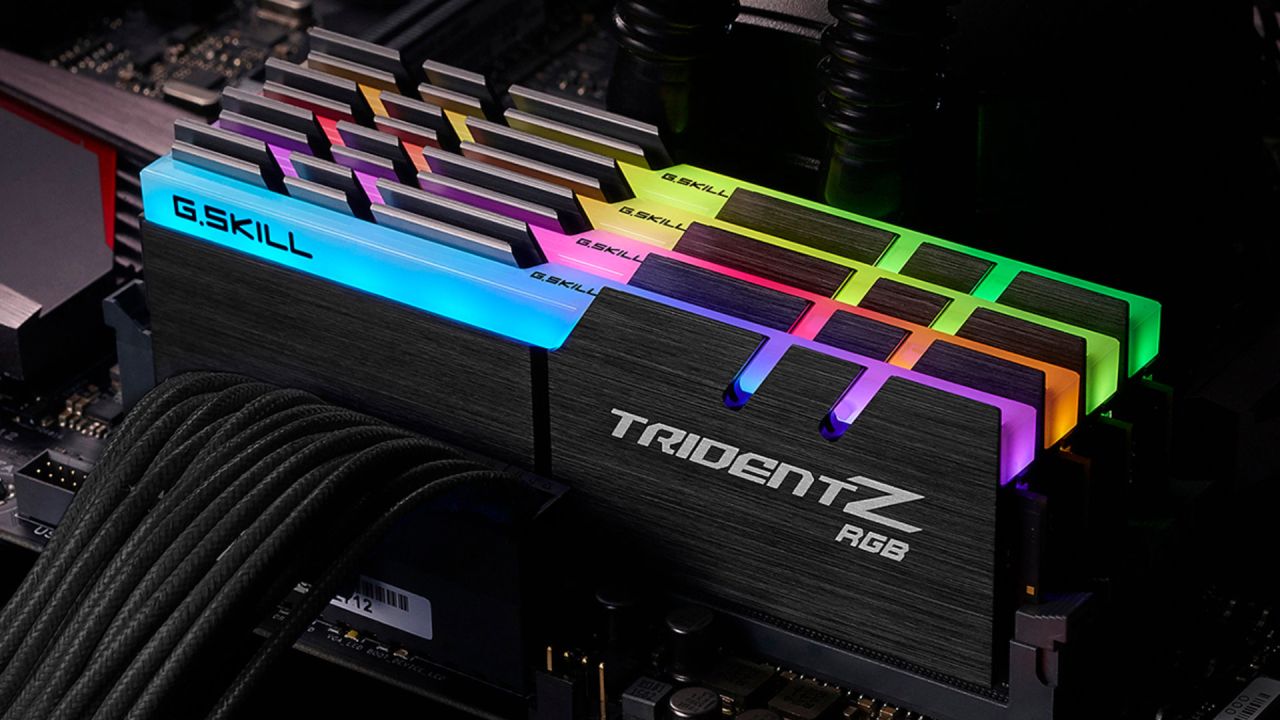
RAM Is Under Pressure
Most people don't think about RAM very often. However, it's an important part of practically every electronic device that people use nowadays. AI data centers around the world have received trillions of dollars in the last several years. Memory is one of the most important parts of those data centers that make them work. In the AI gold rush, RAM is the tool that people use to dig. It is the one thing that every serious player needs to keep going.
Several industry estimates say that OpenAI has gotten about 40% of the world's high-bandwidth RAM. The change in RAM production worldwide is already affecting computers. The effect spreads to a lot of electrical devices, even if you don't play video games. That change is being driven by artificial intelligence, specifically the need for HBM used in AI training.
HBM memory is not the same as laptop memory. The memory is made differently and costs more, but all memory is made the same way. It's a game with no winners. Every wafer that goes to an HBM stack for an Nvidia GPU is one less wafer that goes into the LPDDR on the next laptop.
Business Over Consumer
The goal of the recent trips and talks with executives has been clear: get the RAM and lock it in before competitors do. One big company that makes memory now makes more money selling RAM to data centers than it does selling phones. Another company has decided to stop selling to regular people and focus on businesses and AI data centers, because that's where the money is.
That piece of information illustrates where priorities are changing. If that change keeps happening, every memory-dependent consumer good will feel the stress. The same supply chain connects phones, gaming consoles, TVs, and laptops.
Three Companies Control the Market
There are many brand names for RAM sticks, but the most important part is the memory chip itself. Three companies, Samsung, SK Hynix, and Micron Technology, make about 93% of those chips.
When three corporations provide 93% of the world's electronics, the system becomes weak. One change in allocation or one interruption can affect the whole sector. One of these businesses has stopped making consumer RAM and SSDs and is instead focusing on AI and business customers. Some reports say that a single OpenAI infrastructure project could be responsible for up to 40% of the world's memory supply.
Prices rise when a perfectly balanced supply meets a sudden increase in demand. Prices for DDR5 RAM remained unchanged for a long time and even fell slightly. Then, at the beginning of last year, they rose sharply. In rare situations, a single 256GB RAM package might cost more than a flagship GPU, even more than an RTX 5090.
Why There Aren't More Chips
If demand is high and prices are rising, producers would likely make more chips. In fact, all of the present fabrication plants are already at maximum capacity. These facilities are open 24 hours a day and follow stringent process control. Adding another shift won't make it easier to increase output. A single mistake during production can cost weeks or months of work.
Manufacturers have said publicly that they don't aim to increase production aggressively, even if they could. Under the best circumstances, it takes at least two years for a new fabrication plant to make chips. Two years is a long period in terms of technology. Companies have to put billions of dollars on the line now, depending on what they think demand will be like in a few years.
We don't know how much demand there will be for AI. Sam Altman, the CEO of OpenAI, has even said that the AI craze could be like a bubble. He has said that investors might be too enthused, but he has also said that AI is important. Because of that uncertainty, manufacturers are being careful.
What We Learned from the Past
As cellphones spread worldwide in the mid-2010s, demand for memory rose sharply. Manufacturers made more products because they thought growth would continue. Later, demand dropped, the market went from being short on supply to being long on supply, and prices fell. The industry still remembers that incident well.
Companies are taking their time rather than rushing to build new factories. The effect is already clear, given current demand levels. Executives from major memory firms have said that numerous businesses are asking for help, and they are worried about how to handle them all.
Effects in the Real World
Stores have started limiting how many hard drives customers can buy. Smartphone makers say prices will go up. Reports say Apple is paying 230% more for the 12GB LPDDR5X RAM used in its iPhone 17 Pro models. Chips that used to cost $25 to $29 are now closer to $70 per phone.
PC companies like Lenovo, HP, and Dell are racing to get supplies, and shortages are projected to endure until 2027. Some companies are thinking of limiting the amount of RAM in gadgets to 8GB. IDC research shows that the PC market might drop by 4.9% to 8.9% by 2026, while the smartphone market could drop by 2.9% to 5.2%.
There is also pressure on consoles. There may be delays in the next generation of systems from Microsoft and Sony. Nintendo's market value has already dropped by almost $14 billion because many are worried that the memory prices would hurt its upcoming Switch.
The Change in Data Centers and NVIDIA
NVIDIA started out making gaming GPUs, but today it's at the center of the AI boom. Reports say Nvidia might stop making new consumer gaming GPUs in 2026 due to shortages. The Blackwell systems are made for data centers and can hold up to 864GB of memory per rack. When companies use hundreds of these systems, a lot of the world's memory supply is used up before any consumer items get any.
There are rumors that the price of the RTX 5090 could go up to $5000, which is a lot more than the $2000 it was before. The direction shows supply pressure, whether it is true or not.
Risks of Building a Data Center
People are also worried about the building of the data center itself. Some investors treat data centers like real estate projects and don't consider essential infrastructure, such as generators and water supplies. It can take up to 90 months for generators to be delivered. There are still questions regarding how many of these planned facilities will work as planned and how many will be delayed.
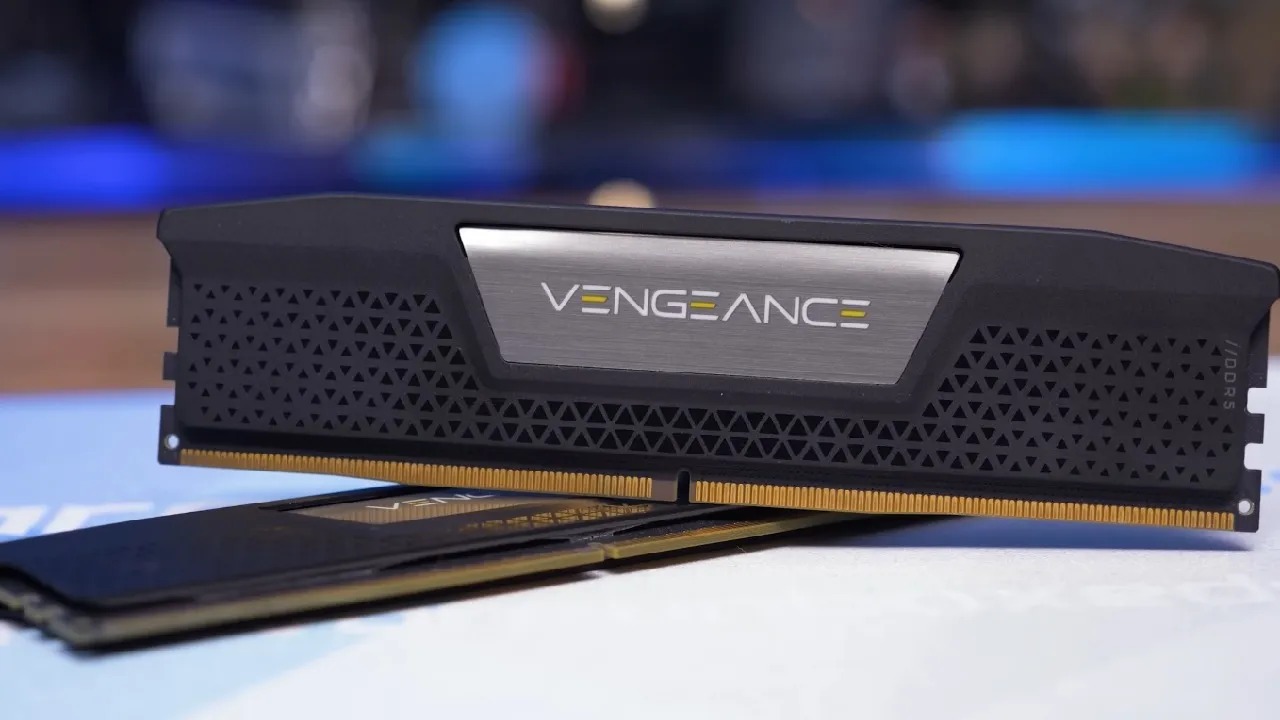
China as a Possible Factor
As pressure grows, people start paying attention to China. CXMT, its biggest competitor in DRAM, has said it can make DDR5 chips. Analysts think it will take another 2 to 3 years to reach the scale and yields needed to affect global supply. At that point, many production contracts will already be set in stone.
Reports say that SK Hynix has sold most of its output through 2026. Even if AI demand drops, the RAM is already set aside under current contracts.
Final Thoughts
Neural networks have been talked about and written about for more than 10 years, before ChatGPT and the recent rise in public interest. This period feels different. The cost is no longer just a number; it's based on things like electricity use, water use, AI-generated content, and the effects on society as a whole.
We are seeing a system in which three corporations control 93% of the supply, AI data centers consume significant manufacturing capacity, and new factories take years to get up and running. When you upgrade your laptop, buy a console, or create a PC, you might feel the effects. It is still unclear if the RAM shortage is a necessary step toward building long-term AI infrastructure or a mistake caused by too much work.
Also, check our other hardware articles:
- AMD Ryzen 9 9950X3D Review: Setting The Standard For 2025 Gaming CPU
- Amazon Luna 2025 Review: Is Prime Gaming's Cloud Service Your Go-To For Casual Fun?
- AMD RX 9070 XT Review: AMD's RDNA 4 Champion for 1440p Gaming
- GeForce Now Ultimate: Ditching Your Gaming PC For Cloud RTX 4080 Power?
- NVIDIA GeForce RTX 5080 Review (2025): Still A 4K Gaming Powerhouse?
- Intel Core Ultra 9 285K Review And Performance Breakdown (2025)
- AMD Ryzen 7 9800X3D Review: 3D V-Cache Goes God Mode with Stunning Gaming Performance
- Intel Core Ultra 9 285K vs AMD Ryzen 7 9800X3D: In-Depth Gaming Performance and Benchmark Comparison
- NVIDIA GeForce RTX 5080 Super Performance In Cyberpunk 2077: Path Tracing & DLSS 4.0 Tested
- AMD Radeon RX 9070 XT In Cyberpunk 2077: Ray Tracing & FSR 4.0 Tested
- Intel Arc B580 Review: The $250 GPU Revolutionizing 1440p Gaming
- Intel Arc B570 Vs. B580: Value, Specs, And Real-World Gaming Performance
- RTX 5090 Laptop Vs. M4 Max MacBook Pro: Ultimate Raw Performance Vs. Battery Endurance
- Intel Arc b580 Vs. RTX 4060: Game Performance And Value Analysis
- RTX5090 Hell Is Us Demo 4K Ultra Benchmark: DLSS Vs. Native Performance Guide
- NVIDIA RTX 5070 Review: Mid-Range Muscle or Marketing Hype?
- Nintendo Switch 2 Review: Handheld Performance, Features & Value Breakdown
- RTX 5070 Ti Review: Performance, Thermals & Power Efficiency Tested
- Samsung Odyssey OLED G81SF Review 2025: Ultimate 32-Inch QD-OLED Gaming Monitor
- AMD RX 9070 Performance Review: Thermals, Clocks, and Real-World FPS
- AMD Ryzen 5 7600 Review: Best Budget Gaming CPU of 2025?
- AMD Radeon RX 7800 XT Review: RDNA 3 Power For Midrange Gaming
- Asus ROG RTX 5090 Astral OC Vs. Founders Edition: The 4K Gaming Benchmark
Editor, NoobFeed
Gaming Hardware Updates
No Data.