
Fallout 5 Slips Into the 2030s as Bethesda Maps a New Future
With the next main Fallout game not coming out for a long time, remasters and spin-offs are keeping the famous series alive.
News by Azfar Rayan on Jan 02, 2026
In this odd new time in the Fallout universe, the goal is clear, but the journey will take longer than thought. According to the sources, Fallout 5 is not something that could happen in the near future anymore; it's going to happen in the next decade. Timelines now easily include the 2030s.
For a series that last put out a numbered entry in 2015, the thought that the next mainline episode might come almost twenty years later feels like being in a cryo-pod for a very long time. But, under the surprise of the delay, there is a longer and, some would say, more positive story about Bethesda's plans for the future of one of the most loved post-apocalyptic worlds in video games.
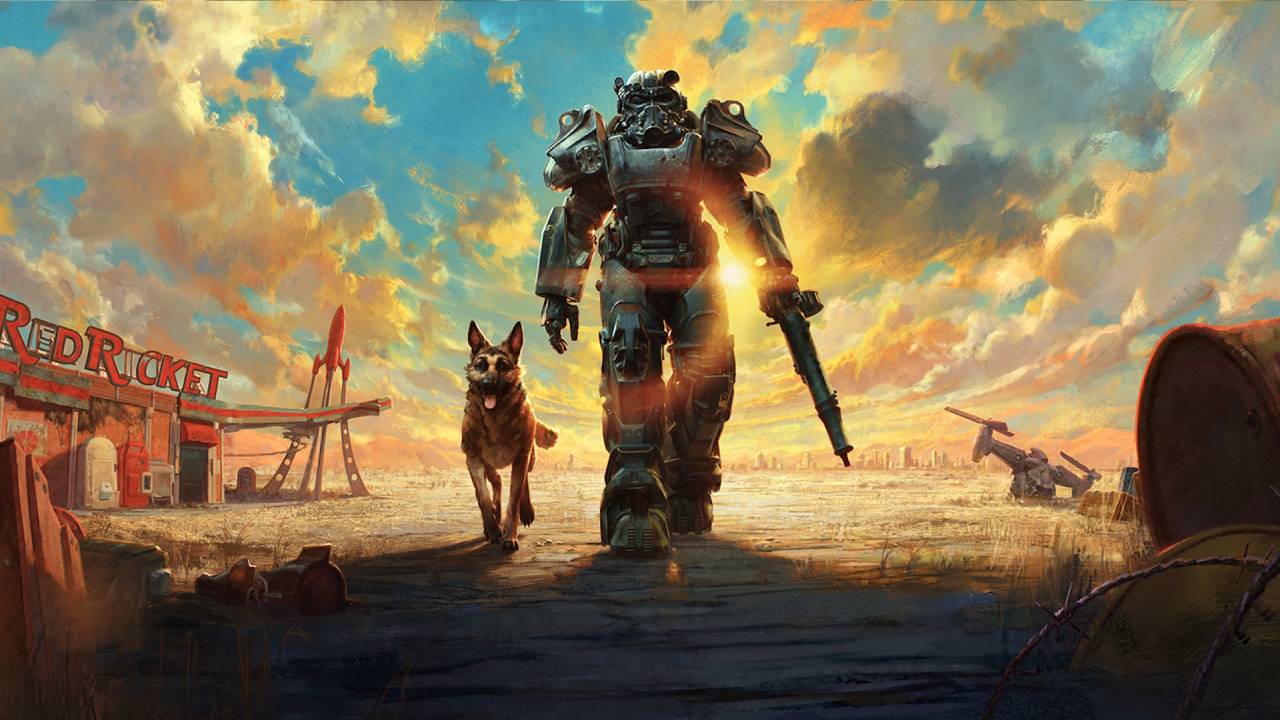
Fallout 5's far-off release date is mostly because of how Bethesda has chosen to work on other games. The game is still behind The Elder Scrolls 6, according to sources. The Elder Scrolls 6 is still in development after Starfield's release and support. It takes a very long time to make a modern AAA game, often seven or eight years for each project.
Bethesda is one of these companies, and they are no exception. The studio just doesn't have the time to make major entries more often since its core teams are busy making huge single-player RPGs, and they won't let the scope or quality of the games drop to make it happen.
Because of this, Fallout 5 will not come out until after the next generation of consoles, which means it will be a very long wait.
Even though this timeline might sound bad at first, it doesn't mean the Fallout series is over. According to the sources, Bethesda and its parent company know very well that not using such a valuable piece of intellectual property for more than ten years would be a failure of their strategy.
Evidence from internal papers made public in famous court cases shows that Fallout is likely to take a multi-faceted approach to bridging the gap until Fallout 5 comes out. Instead of one long silence, the plan calls for a steady stream of material to keep the wasteland very much alive.
The appearance of a Fallout 3 Remaster on internal roadmaps is one of the most solid pieces of evidence that this approach will work. These papers weren't just rumors, but rather planning materials from inside the company. This means that a return to the Capital Wasteland has been given a lot of thought for a long time.
Fallout 3 Remaster's inclusion shows that going back to older entries is part of a bigger company plan, even though later on, officials said the papers were old. In a time when remasters are useful for both keeping games alive and making money, Fallout 3 is a great choice for a rebirth.
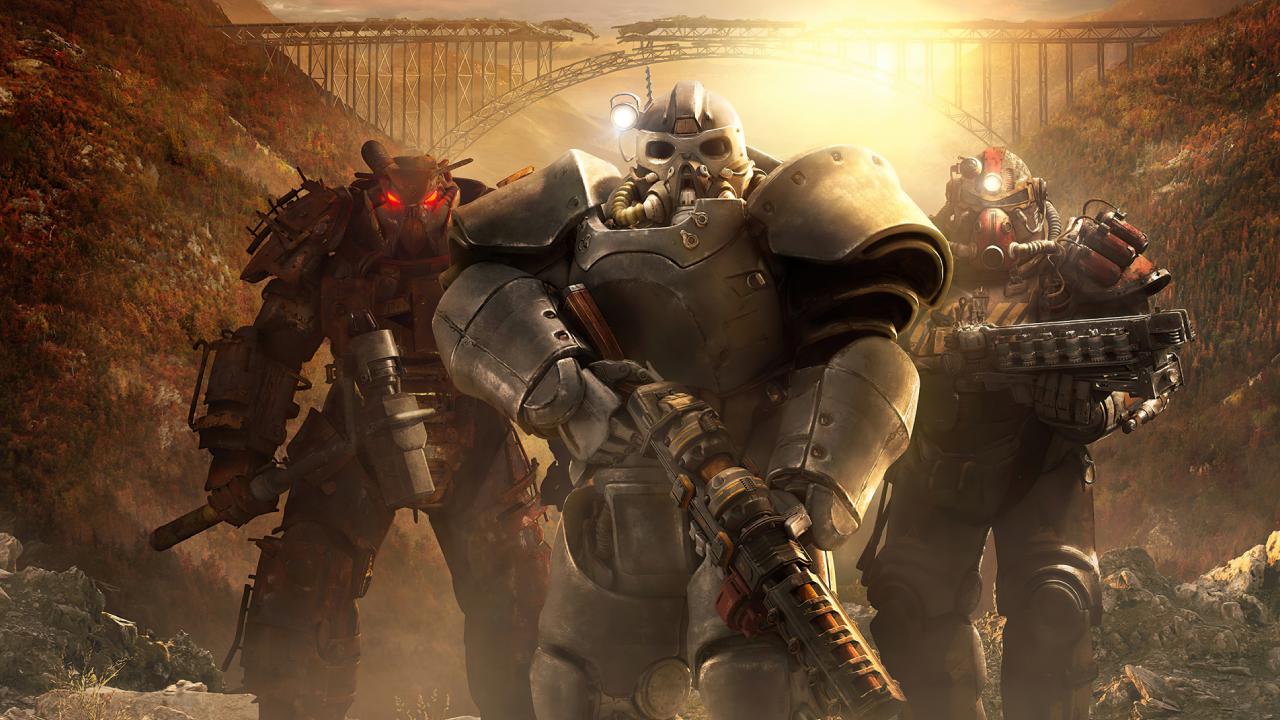
A modern remake of Fallout 3 could be a huge hit, but it could also go very wrong. Sources say there are still questions about whether the project would be just a visual upgrade or a bigger remake using modern technology. Fallout 3 was first made using the Gamebryo engine, which many people think is outdated and hard to use.
Rebuilding the game in a more modern engine could make the lighting, environments, and speed much better, which might turn Capital Wasteland into a much more immersive experience.
At the same time, changing the technology behind the games could mean losing the unique feel that made Bethesda's RPGs stand out for so long. The hard part is making Fallout look more modern while keeping its unique character. The sources say that Bethesda-style games are known for their physics-based interactions and systems that aren't always easy to guess.
These are some of the things that make the franchise popular. A remaster that feels too slick or different could turn long-time fans away, but a conservative upgrade might not get new fans. If there is to be a successful remaster of Fallout 3, it will be very important for the people working on it to be able to walk this technical balance.
In addition to remasters, the future of Fallout may also include brand-new spin-off games. Sources say that it is very interesting that the people who made the first Fallout games are coming back to work at companies that are now part of the same company. Because they are there, people have started to talk about narrative-driven spin-offs that might bring back the deep role-playing parts that were so important to the earlier games.
Instead of going back to places that are already known, these projects could go to new areas of the Fallout world. This would add to the story of the series while avoiding the limitations that come with expectations from earlier games.
These kinds of spin-offs would fill an important role. According to the sources, they could keep Fallout current by making new games and other media based on it while the mainline sequel is still being worked on. These games would have more stories than scope, but they could be made in a shorter amount of time, giving people a meaningful experience without the long wait usually connected with flagship releases.
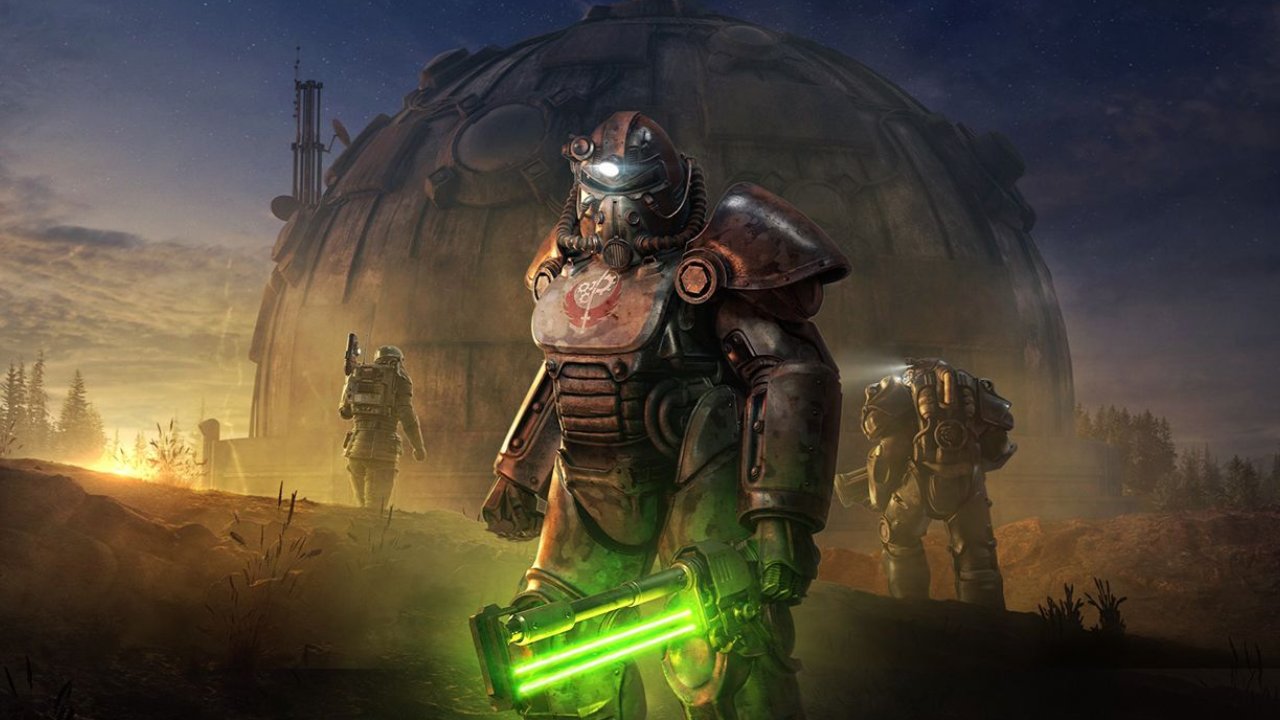
This method is similar to those used by other big brands, where side projects keep the hype going between big releases.
Another part of the puzzle is with teams that have been working in the Fallout environment for years. Sources say that the game companies that helped Fallout 76 get better now have a lot of technical knowledge, tools, and experience with the game's systems. This makes it possible for independent groups to focus on more traditional single-player games that use old technology.
These types of games could work as narrative bridges, keeping people interested while also trying out new ideas and ways of doing things. All of these things show that the brand is growing horizontally instead of vertically. Sources say that Fallout is turning into an ecosystem of interconnected experiences instead of just depending on numbered sequels.
Along with long-term main development of the series, remasters, spin-offs, and smaller standalone projects can also be released. This makes sure that the series stays visible and current over the years and on different platforms. This method has risks, especially when outside companies are used, but it also allows for changes in an industry where the cost and time needed for development keep increasing.
In the future, Fallout 5 is still unknown. According to the sources, the long wait means that Bethesda is waiting for both production bandwidth and technology to meet its goals.
The company hopes that future versions of its engine will fix problems that have been known for a long time. This could make open worlds and more expressive characters possible. By the time Fallout 5 comes out, everyone will be really excited about it, and anything less than a huge improvement over the last game could feel disappointing.
Right now, the word is to be patient, not hopeless. According to the sources, there won't be an empty wasteland until Fallout 5 comes out. It looks like the Fallout series is going to slowly come back instead of just getting one big payoff in the future. This is because there might be a remaster of Fallout 3, narrative-focused spin-offs could be made, and there are going to be new experiments.
Now that things have calmed down and people have had time to think about their plans, there is still one question in the Fallout universe: when the vault finally opens, will this bigger Fallout universe make the long wait for Fallout 5 worth it?
Senior Editor, NoobFeed
Related News
No Data.