
Intel Core Ultra 7 270K Plus vs. 285K: Gaming, IPC and Overclocking Compared
Strong IPC improvements, higher efficiency cores, and better memory support deliver noticeable gains in gaming and productivity workloads.
Hardware by Tanvir Kabbo on Nov 13, 2026
The Intel Core Ultra 7 270K Plus directly replaces the Intel Core Ultra 7 265K in the mainstream lineup. The next generation of Intel CPUs continues to push performance and efficiency further.
It promises to offer great value while competing closely with higher-tier processors by improving core configuration, memory performance, and overclocking capabilities.
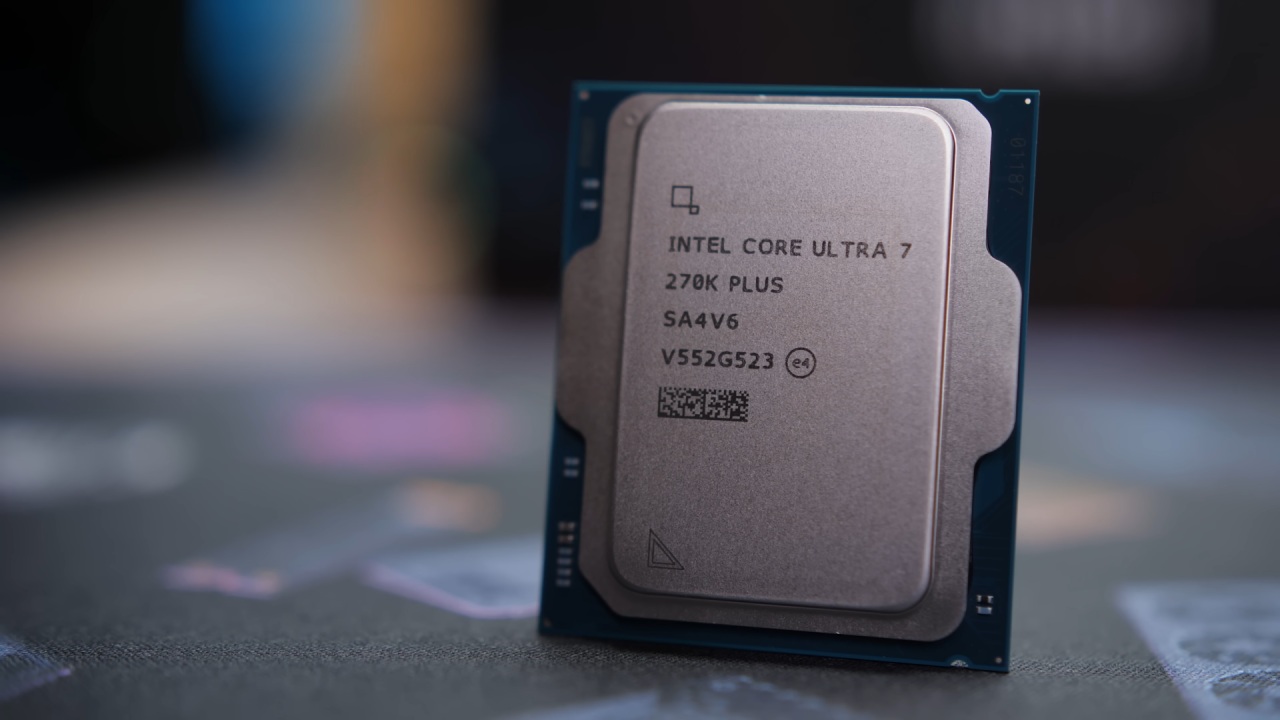
Overview and Specifications
We are looking at the brand-new Intel Core Ultra 7 270K Plus. It replaces the Ultra 7 265K and adds four more efficiency cores than the previous model. The CPU also features a 900MHz faster link between the CPU and memory controller, reducing system latency and improving PC gaming performance, at least according to Intel’s claims, which we will validate through testing.
We also found during testing that the CPU has a stronger IMC. This is supported by the specifications, which say it has native support for DDR5 7200MHz memory and early support for four-rank CUDIMM modules, depending on motherboard compatibility. The CPU has a 125W TDP, the same as the previous one. It also includes the Intel Binary Optimization Tool (IBOT), which improves IPC over the previous generation.
The CPU is designed for the LG1851 Z890 platform, the same as its predecessor. We achieved compatibility through a BIOS update; in our case, the latest BIOS on the Hero motherboard worked perfectly. The Z890 platform provided stable power delivery and consistent overclocking behavior across multiple boards we tested.
Test System Configuration
We used the Asus Hero Z890 motherboard with the latest CPU. We used a 5090 GPU for graphics and G.SKILL RAM running at 6000MHz XMP for stock testing. We pushed the memory to 8400MHz during overclocking. The Atmos 2 360mm AIO from Cooler Master handled the cooling.
For stock testing, we kept everything completely default, including power limits, with only XMP enabled. We rebooted and ran the benchmarks without any manual tuning to ensure fairness and consistency.
Stock Performance Comparison
To make the comparison more meaningful, we tested the new Ultra 7 270K Plus against the Ultra 9 285K rather than the 265K. Both CPUs share the same core configuration because the 270K Plus adds efficiency cores, making it a strong matchup.
We observed around a 1% improvement in temperatures with the new CPU under similar cooling conditions. Performance results showed consistent gains across most benchmarks.
In Blender, performance improved by 4.46%. R23 single-core increased by 1.17%, while R23 multi-core improved by 3.74%. R24 showed a 0.6% gain. Fire Strike Physics improved by 4.7%, and 3DMark CPU increased by 2.9%.
Gaming-related benchmarks showed mixed but generally positive results. Final Fantasy decreased slightly by 2.5%, while Superposition increased by 7.24% and Unigine Valley by 6%. Corona 10 improved by 4.36%. Overall, we observed an average performance increase of 3.2% across all benchmarks.
We ran gaming benchmarks at 1080p with medium settings to ensure the CPU remained the bottleneck instead of the GPU. This setup highlighted the CPU’s improvements more clearly.
Memory Performance and Overclocking Potential
We previously tested how memory speed impacts performance on the Ultra 9 285K and found that 8400MHz provided around a 2.5% performance increase. With the stronger IMC on the 270K Plus, we wanted to see if it could handle similar or better memory speeds.
We successfully ran 8400MHz memory with stable performance and similar latencies. Overclocking results showed that the 270K Plus reached 5.66GHz on P-cores and 5GHz on E-cores, which is 100MHz higher than what we achieved with the 285K on the same AIO cooling. The 285K required custom water cooling to reach similar frequencies.
Overclocking Performance Gains
Overclocking increased power consumption from 243W to 341W. Despite this, the 360mm AIO managed thermals effectively, with maximum load temperatures reaching 90°C in a 22°C environment, representing a 15% increase over stock heat output.
Performance gains from overclocking were significant. Blender improved by 5.9%. R23 single-core increased by 2%, and R23 multi-core saw nearly a 6% gain. R24 also improved by around 6%. Fire Strike Physics increased by 1.2%, while 3DMark CPU improved by nearly 9%.
Gaming benchmarks showed the most impressive gains. Final Fantasy increased by almost 9%, Superposition jumped by 15.1%, and Unigine Valley improved by 7%. Corona 1.3 improved by 5.5%, Corona 10 by 4.7%, and Geekbench AI gained 5.4% in single precision and 5.2% in half precision, with a 2.7% increase in quantized scores.
Overall, overclocking delivered an average performance gain of around 6%, with gaming workloads benefiting the most.
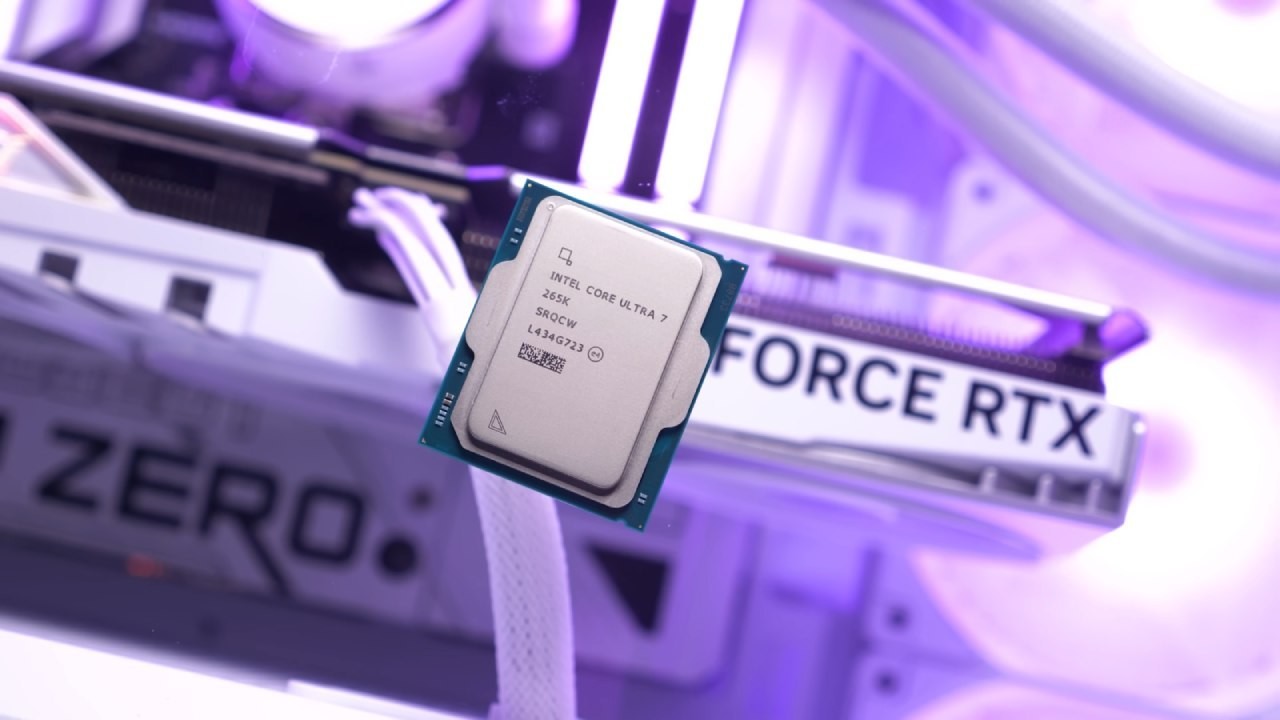
Overclocked Comparison with Ultra 9 285K
We compared both CPUs at identical frequencies of 5.6GHz on P-cores and 5GHz on E-cores. The 270K Plus consumed 10% more power and ran 5.8% hotter, though this difference is largely attributed to cooling variations, as the 285K was tested on custom water cooling.
Clock-for-clock performance showed clear IPC improvements. Blender improved by 3.6%, R23 single-core by 3.8%, and R23 multi-core by 2.5%. R24 improved by 2.5%, Fire Strike Physics by nearly 6%, and 3DMark CPU by 1.5%. Superposition increased by 3.5%, Unigine Valley by 5.6%, and Corona 10 by about 1%.
Across all benchmarks, we observed an average improvement of around 3% at identical clock speeds, confirming IPC gains in the newer CPU.
Final Thoughts
We really like this CPU. It performs like a 285KS but at a much lower price. With an RRP of 299, it is significantly cheaper than the Ultra 9 285K while delivering around 3% better IPC, improved efficiency, stronger overclocking capability, and better gaming performance.
If you are considering an upgrade, you are getting a CPU that matches or exceeds the performance of a previous flagship while being easier on your budget. The combination of strong stock performance, excellent overclocking headroom, and solid gaming improvements makes the Intel Core Ultra 7 270K Plus a very compelling option.
FAQ
Q. What processor does the Intel Core Ultra 7 270K Plus replace?
A. The Intel Core Ultra 7 270K Plus directly replaces the Core Ultra 7 265K in Intel's mainstream desktop processor lineup, adding four more efficiency cores and improved memory support.
Q. How much performance improvement does the Intel Core Ultra 7 270K Plus offer?
A. Testing showed an average performance improvement of approximately 3.2% over the comparison results, with around 3% better IPC at identical clock speeds compared with the Core Ultra 9 285K.
Q. How well does the Intel Core Ultra 7 270K Plus perform when overclocked?
A. Overclocking delivered an average performance improvement of around 6%, with gaming benchmarks showing particularly strong gains. The processor reached 5.66GHz on P-cores and 5GHz on E-cores.
Q. What motherboard is compatible with the Intel Core Ultra 7 270K Plus?
A. The Intel Core Ultra 7 270K Plus supports the LGA1851 platform and is designed for Z890 motherboards. A compatible BIOS update may be required before installation.
Senior Editor, NoobFeed
Gaming Hardware Updates
No Data.