
Intel Razor Lake-S Rumored to Feature 12 P-Cores and 120MB bLLC
Intel's next-generation desktop processors could combine massive cache capacities with unconventional core configurations to challenge AMD's gaming dominance.
Hardware by Tanvir Kabbo on Nov 29, 2026
Intel seems to be gearing up for a major architectural change in its next-gen desktop processors, as fresh leaks around Razor Lake-S (RZL-S) show huge Big Last Level Cache (bLLC) configurations and a strange P-Core-only enthusiast SKU. Nova Lake-S' successor is reportedly in testing in two cache-equipped configurations: a 28-core flagship and a 16-core processor with 12 P-Cores and no regular E-Cores.
This shows Intel is thinking outside the box with core-count upgrades to challenge AMD's dominance in desktop gaming. With Ryzen X3D processors benefiting from massive 3D V-Cache, Intel's bLLC strategy could become its most important weapon in reducing memory latency and improving gaming performance.
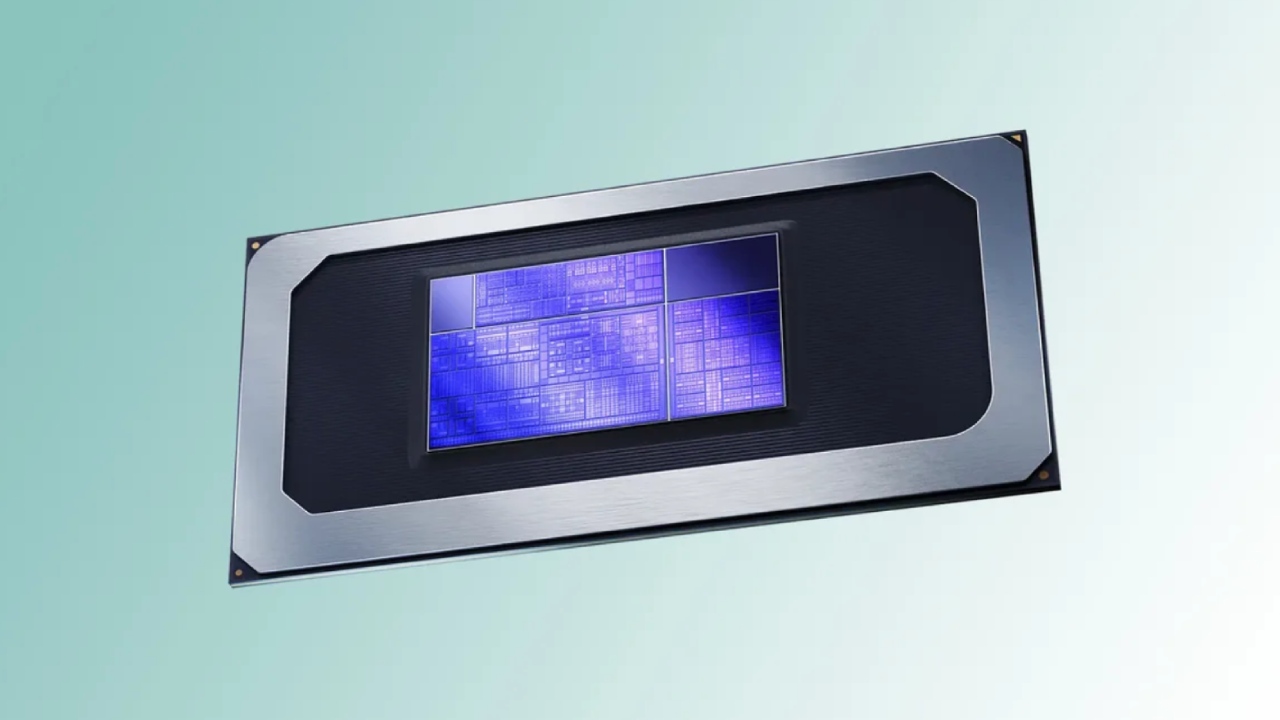
Intel Razor Lake-S Could Feature 144MB bLLC
According to industry leaks, Intel is testing two primary Razor Lake-S configurations featuring significantly expanded last-level cache. The first is a 28-core hybrid flagship with 8 Performance cores, 16 Efficiency cores, and 4 Low-Power Efficiency cores (8+16+4). The processor could feature up to 144 MB of bLLC, which could boost performance in applications and games that routinely access large amounts of data.
The second arrangement is even more uncommon. Intel is apparently working on a 16-core enthusiast SKU with 12 P-Cores, no ordinary E-Cores, and 4 LP-E cores (12+0+4), with 120 MB bLLC. This paradigm appears tuned for high-performance execution and gaming-centric workloads rather than total core count.
That disparity could give Intel more flexibility to target varied performance needs from enthusiasts and productivity customers.
Why Intel's 12 P-Core-Only Design Matters for Gaming
The 12 P-Core setup could be really nice for gamers. Intel's hybrid architecture divides workloads between Performance and Efficiency cores. Windows and Intel Thread Director decide what tasks should run on each core type.
With no regular E-Cores and a reliable 12 high-performance cores, games might have a simpler scheduling process. It could also reduce conflict between game threads and background activities running across separate core clusters.
However, it does not inherently eliminate scheduling overhead or ensure less latency. Modern games have varied threading needs, and actual performance will depend on Windows optimization and Intel's architectural design.
An extra benefit could be the 120 MB bLLC. This keeps frequently used game data closer to the CPU and eliminates the need to pull information out of slower system memory. Combined with 12 P-Cores, this should improve frame-time consistency, potentially helping titles particularly sensitive to memory delay.
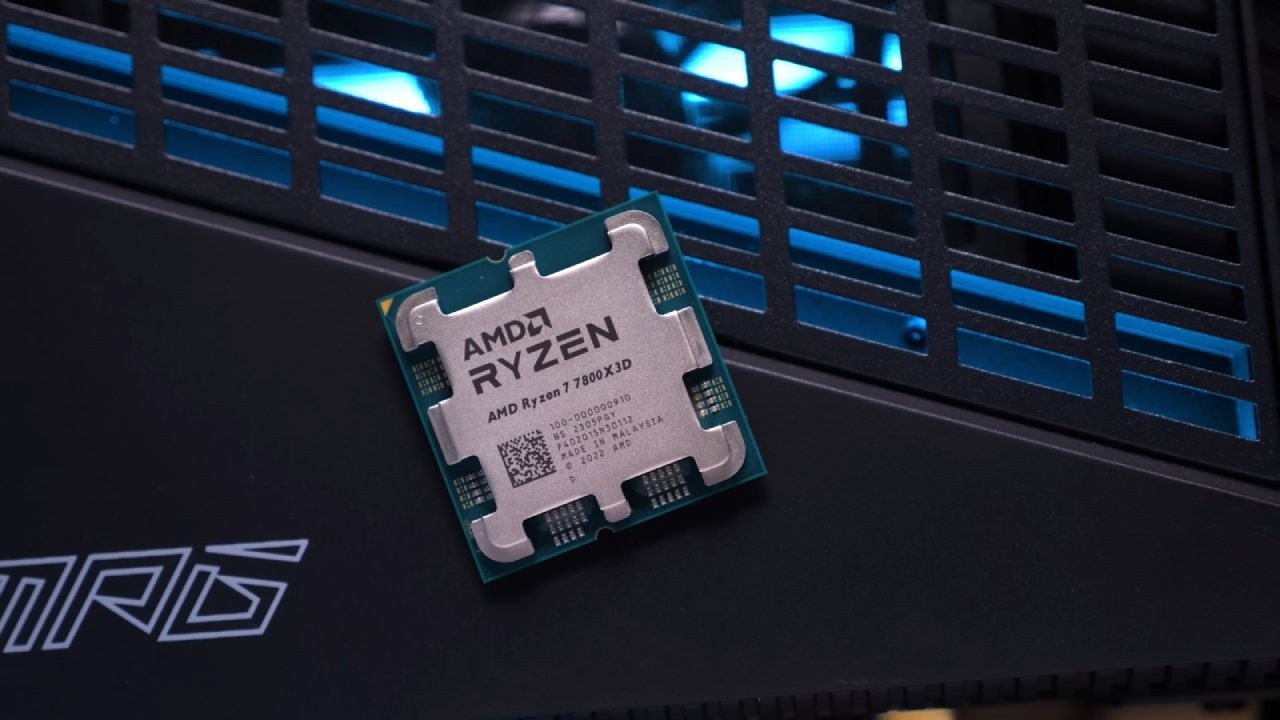
Intel's bLLC goes after AMD Ryzen X3D
With 3D V-Cache technology, AMD's Ryzen X3D processors have proven to be powerful gaming CPUs. By significantly expanding available cache, AMD reduces memory access requirements in cache-sensitive games, frequently delivering improvements that traditional clock-speed increases cannot match.
Intel's bLLC appears to be a direct response to that strategy. Instead of competing exclusively through higher frequencies and additional cores, Intel is reportedly exploring massive cache configurations to keep more frequently accessed data available to its processing cores.
The strategy will depend on more than capacity alone. Intel's actual competition with AMD's solution will depend on cache latency, bandwidth, hit rates, and connectivity.
Intel plans an earlier bLLC debut with Nova Lake-S. One leaked configuration is a 65W Core Ultra 9 4900 with a 6+12+4 core configuration and 120MB bLLC. Early estimates suggest gaming performance will be about 20% better than Arrow Lake-S; however, these numbers are unconfirmed.
Razor Lake-S Targets an Early 2028 Release
Razor Lake-S is reportedly targeting an early 2028 launch, meaning the leaked configurations remain subject to substantial changes. Before launch, core counts, cache sizes, power budgets, and product positioning are all subject to change.
But the rumored 28-core flagship with 144MB of bLLC and the 12 P-Core enthusiast model with 120MB suggest that Intel might be rethinking its desktop approach.
If Nova Lake-S sees significant gaming gains from bLLC, then Razor Lake-S may go even further. More importantly, the P-Core-heavy setup implies Intel recognizes gaming performance isn't simply about having more cores. We may define its 2028 desktop lineup as one that lowers memory latency, increases scheduling consistency, and moves demanding workloads closer to large cache pools.
FAQ
Q. How much bLLC cache could Intel Razor Lake-S feature?
A. Intel Razor Lake-S could feature up to 144 MB of bLLC in its 28-core hybrid configuration, while the rumored 12 P-Core enthusiast model could feature 120 MB.
Q. Will Intel Razor Lake-S feature a P-Core-only processor?
A. Yes. Intel is reportedly testing a 16-core configuration featuring 12 P-Cores, zero standard E-Cores, and 4 LP-E cores.
Q. How will Intel bLLC compete with AMD 3D V-Cache?
A. Intel's bLLC aims to reduce memory access latency by keeping more frequently accessed data closer to the CPU cores, challenging AMD's gaming-focused 3D V-Cache technology.
Q. When is Intel Razor Lake-S expected to launch?
A. Intel Razor Lake-S is reportedly targeting an early 2028 release, although its core configurations, cache capacities, and power specifications remain subject to change.
Senior Editor, NoobFeed
Gaming Hardware Updates
No Data.