
GTA 6 FSR 3 Frame Generation Could Struggle With Input Latency on PS5 Pro
GTA 6's demanding visuals and animation priorities could make frame generation a challenging solution for achieving smoother gameplay.
Hardware by Tanvir Kabbo on Nov 28, 2026
Grand Theft Auto VI will push current-gen console technology to its limits with rich environments, intricate animations, and demanding visual effects. With the 30 FPS target becoming such a talking point, questions are emerging about whether frame generation could deliver smoother gameplay.
FSR 3 frame generation is already used in other console games, like Stellar Blade on Switch 2, but the results have raised concerns about image quality, input latency, and overall responsiveness. This has sparked discussion about whether GTA 6 could benefit from similar technology on its launch platforms, particularly PS5 Pro.

FSR 3 Frame Generation Could Be an Option for GTA 6
One possibility discussed previously was that GTA 6 could run at 30 FPS, but frame generation might offer a potential route to reaching 60 FPS. FSR 3 frame generation has already been used in Stellar Blade on Switch 2, which represents a particularly challenging example of the technology. However, its implementation has raised questions about whether frame generation is an appropriate solution for demanding console games.
Oliver, who previously examined Stellar Blade on Switch 2, was asked about his experience with the implementation. The findings weren't particularly impressive, but the technology offered an interesting alternative given the available options. A stable 30 FPS mode or a goal 40 FPS mode would have been preferred; however, neither was provided as a viable option.
The other issue was that frame creation didn't always work properly, sometimes dropping frames and ruining the experience. But the implementation shows that frame creation could be an intriguing option for developers with minimal hardware resources.
Input Latency Could Make Frame Generation Problematic
GTA 6's central issue could be input latency rather than its frame rate alone. Even without frame generation, GTA 6 reportedly feels considerably less responsive than Stellar Blade running with frame generation. Adding another layer of frame generation could make the experience even less comfortable.
Changing the camera acceleration helped a bit, but overall responsiveness was still an issue. This is a problem FSR 3 frame generation doesn't directly solve; thus, a higher on-screen frame rate won't always feel smoother when moving the player or camera.
The PC version, faster frame rates, and NVIDIA Reflex would undoubtedly improve responsiveness. And instead of merely creating additional frames, these technologies could further enhance the experience by lowering latency. This is especially the case for a game like GTA 6, where driving, shooting, camera movement, and other interactions require responsive controls.
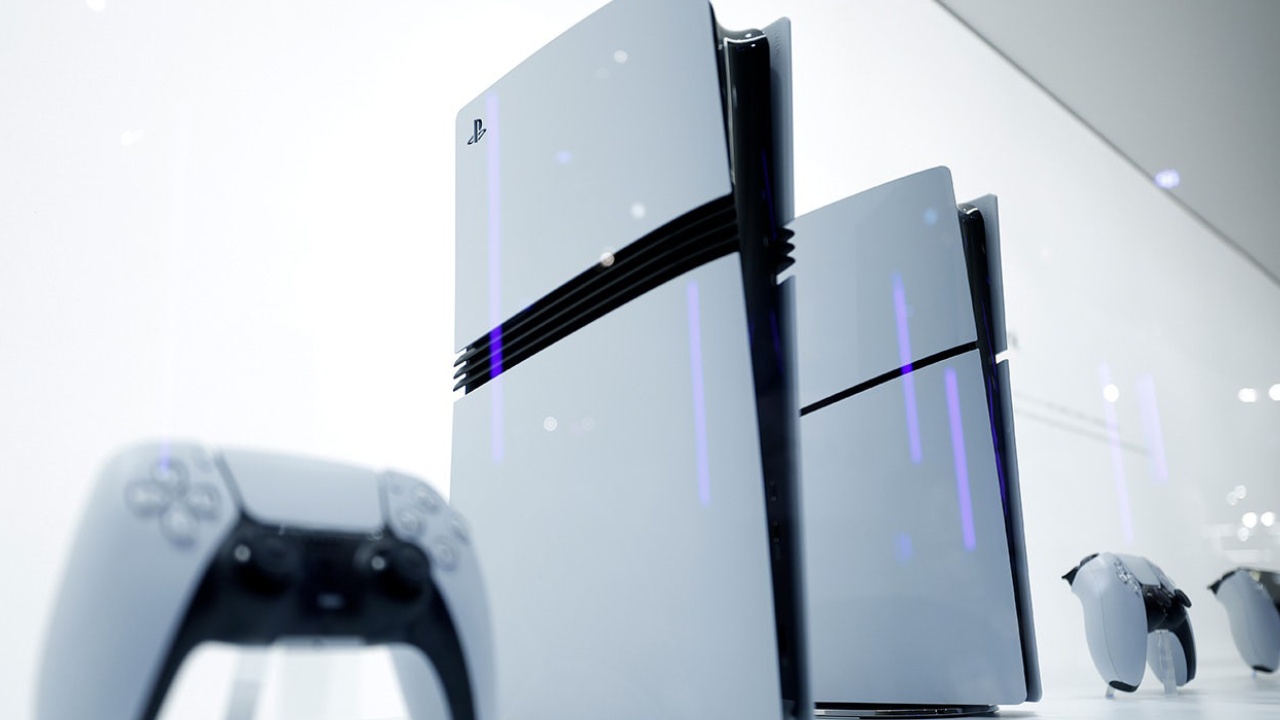
Why Frame Generation on PS5 Pro Could Be a Bad Idea
The question is whether the PS5 Pro will eventually add frame generation, too. GTA 6 seems to be focusing on animation quality, which can make gameplay feel less responsive. Adding frame generation on top of that could change the experience in ways that don't deliver the intended improvement.
The game's complex settings and high level of visual detail could also introduce additional issues. Frame generation is tricky in complex situations because it involves guessing intermediate frames. This may make visual artifacts more apparent – especially during fast-moving gameplay.
One example of a potential image quality issue is PSSR. A newly found problem occurs when you use specific wheel types on a car and do a burnout. As the wheels keep spinning, the image around them becomes noticeably distorted. It's still unclear if this issue is caused by PSSR or motion blur, and only more testing can pinpoint the specific culprit.
However, the visual corruption exposes potential problems that could crop up if GTA 6 included frame generation. The game's landscapes are rich with motion, and similar artifacts could become far more obvious. Spinning wheels, quick camera movements, and detailed scenes could all create problematic scenarios for frame generation to handle.
At the end of the day, FSR 3 frame generation could prove tempting to get GTA 6 above its probably 30 FPS target, especially on PS5 Pro. But higher displayed frame rates don't necessarily mean better responsiveness or visual quality. Frame generation may also introduce visual artifacts or input lag, in which case a steady native frame rate may be more consistent.
FAQ
Q. Could FSR 3 frame generation help GTA 6 reach 60 FPS on PS5 Pro?
A. FSR 3 frame generation could potentially increase the displayed frame rate, but its implementation in GTA 6 would depend on hardware performance, image quality, and input latency.
Q. Why could frame generation negatively affect GTA 6's gameplay?
A. Frame generation could introduce additional input latency and visual artifacts, potentially making gameplay feel less responsive, especially during fast movements and driving sequences.
Q. Does FSR 3 frame generation reduce input latency?
A. No. Frame generation increases the number of displayed frames but does not directly reduce input latency. Technologies such as NVIDIA Reflex can help improve responsiveness on supported PC hardware.
Q. Why could frame generation cause visual artifacts in GTA 6?
A. GTA 6 features dense environments, complex animations, and extensive visual details. These elements could make it difficult for frame generation to accurately produce intermediate frames, potentially causing noticeable visual artifacts.
Senior Editor, NoobFeed
Gaming Hardware Updates
No Data.