
GTA 6 30 FPS on PS5 Pro Raises Questions About 40 FPS and VRR Support
GTA 6's 30 FPS target sparks debate over console performance, input latency, and the possibility of improved VRR support.
Hardware by Tanvir Kabbo on Nov 27, 2026
Grand Theft Auto 6 is a visual feast with rich, sophisticated environments. Still, the current-gen consoles' 30 FPS target has become a talking point among gamers used to the smoother 60 FPS experience. The lower frame rate can make the experience feel substantially different, despite the realistic setting, advanced animations, and intricate systems providing a major visual upgrade.
Now the question remains whether Rockstar will add a higher frame rate setting, an unlocked performance option, or additional VRR support to improve responsiveness on these platforms.
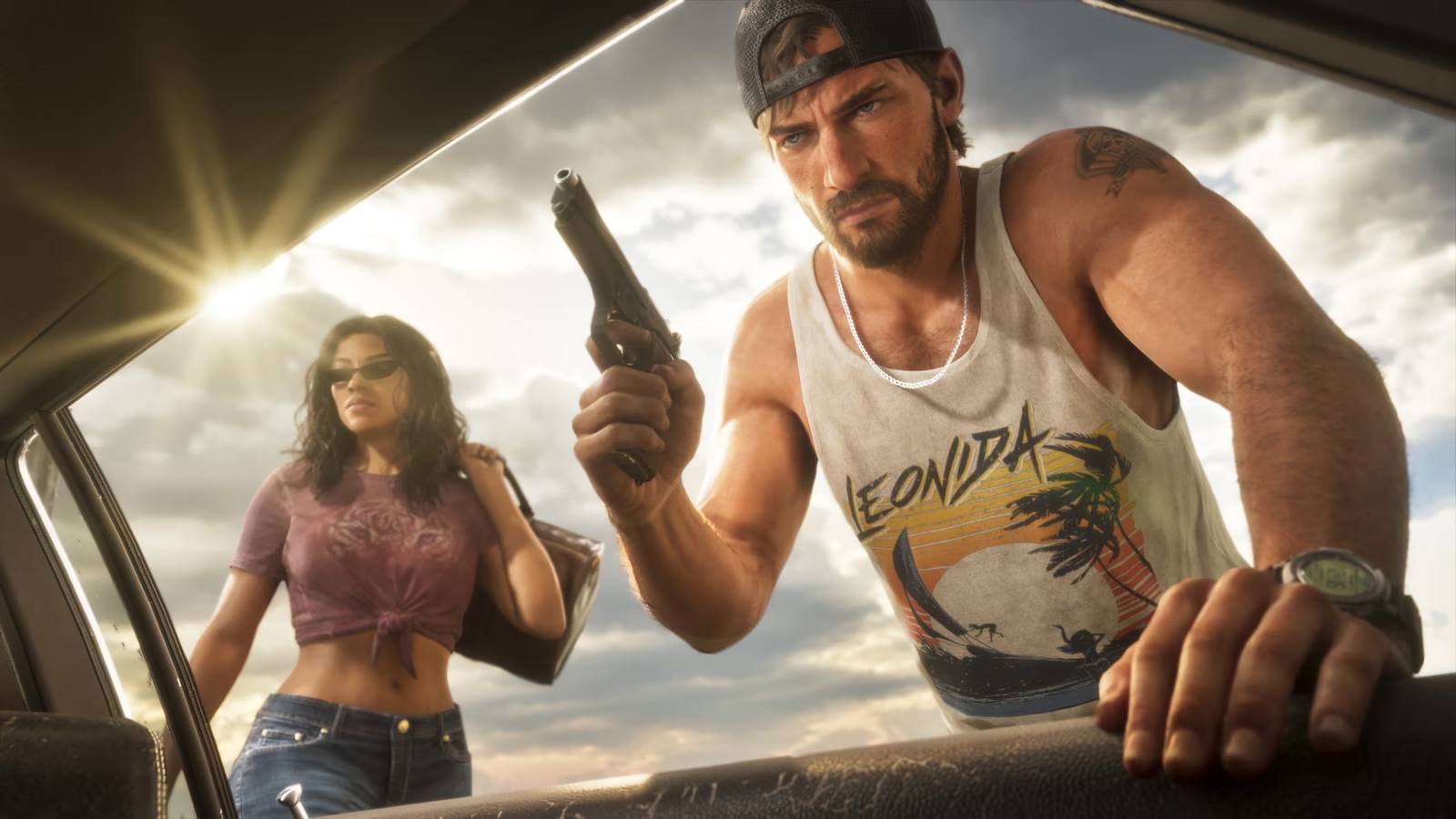
Adjusting to GTA 6's 30 FPS Experience
For some players, switching from games that run at a steady 60 FPS to GTA 6 at 30 FPS on the PS5 Pro might be a real shock. The original Ocarina of Time ran at 20 FPS, but expectations have changed a lot since then. The detail in GTA 6 is amazing. The landscape has so many visually complex elements that make you stop and look around. But the decreased frame rate isn't necessarily simpler to swallow, even with great visuals.
Take this reaction. Nothing new in gaming history. The leap from 16-bit console games (which often ran at 60 FPS) to early 3D games was a big performance sacrifice. Many of those titles couldn't even sustain 30 FPS. Visually, it's always been a tug-of-war between visuals and frame rate, and players have adjusted their expectations to the hardware they are running on.
The jump from 60 FPS to 30 FPS can feel particularly abrupt at first, especially for those accustomed to higher frame rates. But if you play a game long enough, it can be simpler to get used to the lower frame rate, as long as the frame pacing is consistent. GTA 6 generally has good frame pacing, but the PS5 Pro has the smoothest performance of the platforms available right now.
There is also a case to be made for accepting a lower frame rate if the game brings major advancements elsewhere. We've seen this before, with Crysis running at ~30 FPS or less on an 8800 GT, or Cyberpunk 2077 capped at 30 FPS on an RTX 3090 to get the full ray-tracing presentation. GTA 6 follows a similar strategy, prioritizing visual intricacy and environmental richness over faster frame rates.
Why a 60 FPS Patch Might Not Arrive Soon
It is unlikely we will see a better frame-rate patch for GTA 6 anytime soon. Recent AI-assisted development tools might ease some of the optimization burden, but hitting 60 FPS on recent consoles will still take a lot of work.
40 FPS might be more realistic, especially on PS5 Pro and maybe Xbox Series X. Still, the immediate aim should be to improve current performance, not pursue considerably higher frame-rate targets.
We ran performance tests on the PS5 Pro, PS5, Xbox Series X, and Xbox Series S, and found some variances between the platforms. The PS5 Pro is the strongest experience right now, only behind the Xbox Series X. The standard PS5 has more frequent frame-rate drops during regular traversal, while the Xbox Series S has the worst overall performance.
Performance boosts on the standard PS5 and Xbox Series S should be a massive priority, given the sheer number of players on both platforms. These systems make up a large part of the potential audience; therefore, consistent performance matters more than ambitious frame-rate targets that may not be achievable on current hardware.
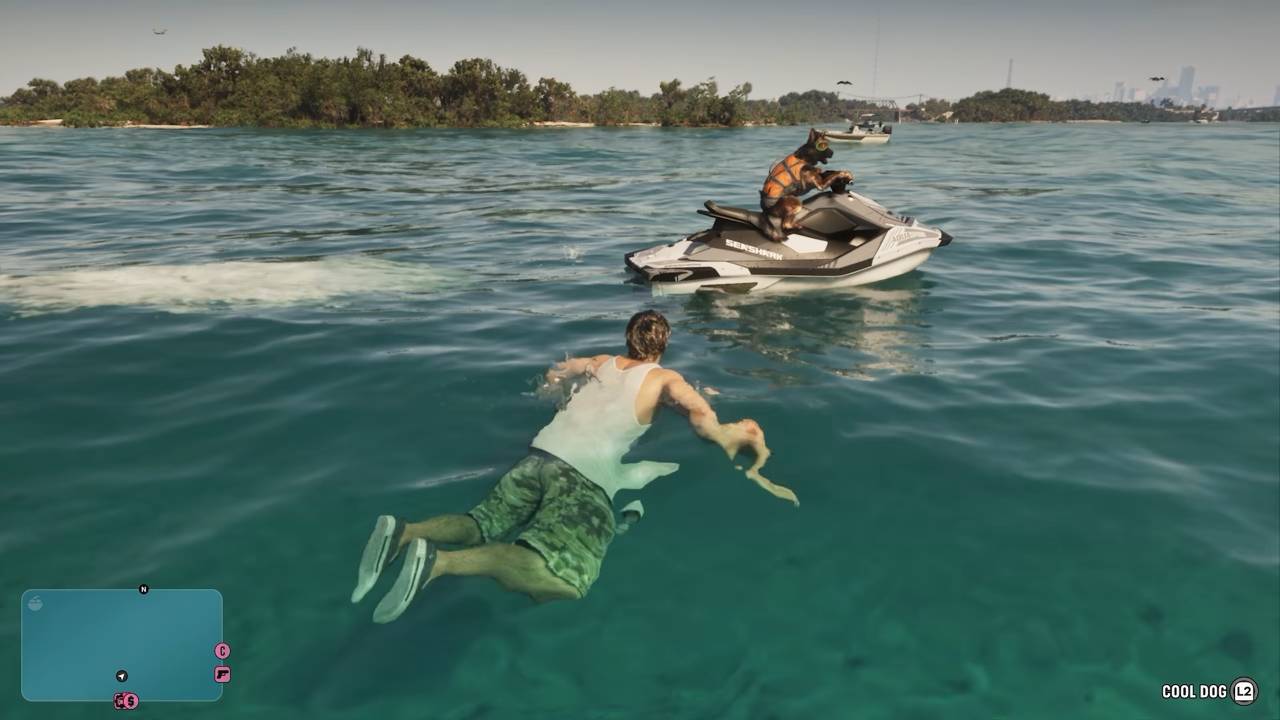
Could Unlocked Frame Rates and VRR Improve Responsiveness?
An unlocked frame rate option, combined with Variable Refresh Rate (VRR), is another possible feature to consider. The Xbox versions currently support 120Hz output with system-level VRR, so it's worth asking whether similar functionality could improve the PlayStation experience.
It may reduce input latency by removing VSync from the presentation pipeline and enabling the frame rate to vary. But that doesn't imply the game would be smoother. Instead, the main benefit may be improved responsiveness.
Not all games that allow an unlocked frame rate are always better. You can notice differences even when VRR keeps the image somewhat fluid as a game bounces between 30 FPS and 40 FPS. Sudden spikes followed by dips can be annoying, especially when the frame rate jumps a lot in a short time span.
A 40 FPS cap combined with 120hz VRR and Low Framerate Compensation (LFC) could offer an interesting alternative. There have also been rumors that Rockstar may have been testing a 40 FPS mode, particularly after discovering a hidden 120Hz flag. But perhaps the developers finally concluded that the consoles couldn't consistently deliver the requisite performance.
Rockstar's Animation Systems and Input Latency
Another big problem with GTA 6's 30 FPS presentation is input latency. The problem may not be entirely frame-rate related, though. Rockstar has always emphasized animation quality and physics-based character movement, which creates a different gaming feel than titles geared around fast reactivity.
This strategy shows up in games like Shadow of the Colossus and in past Rockstar products. More advanced animation systems often sacrifice fast reaction to player input for more realistic character movement. That design choice comes down to personal preference: whether players enjoy it.
Perhaps the most telling example is Red Dead Redemption 2, where the animation-heavy movement may occasionally make character control feel slow. GTA 6 seems more reactive, but Rockstar still leans heavily on physics-driven animations, which may not appeal to everyone.
Testing on the Xbox Series X also shows that toggling between 60Hz with no VRR and 120Hz with VRR doesn't significantly affect input latency. The results were similar to other 30 FPS Rockstar titles, suggesting that animation systems and camera movement may play a larger role in perceived delay than some gamers initially assume.
Camera movement is essential here. And even when character movement is very responsive, less dynamic camera movement can make the overall experience feel less instantaneous. You may gain some benefit from increasing the framerate, but reducing latency with VRR alone won't fundamentally change how the game feels.
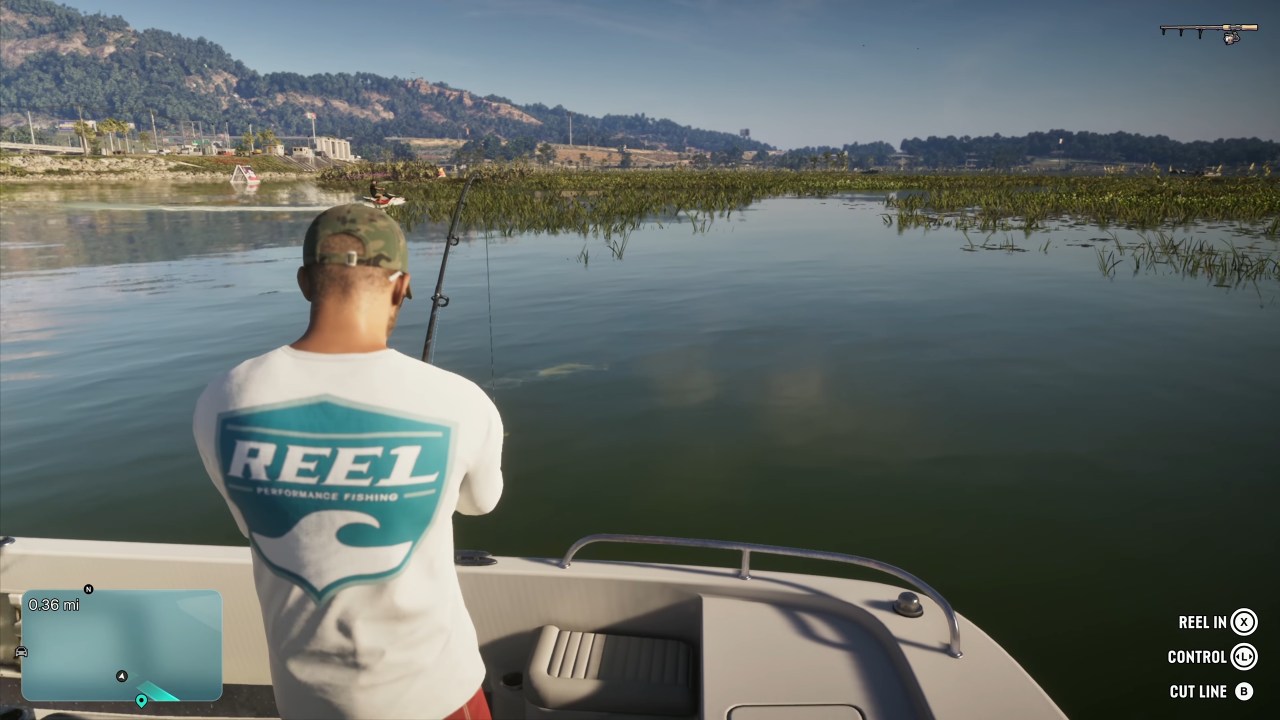
Why PS5 Pro Still Needs Better VRR Support
One major upgrade would be adding support for 120Hz VRR on PS5 and PS5 Pro consoles. These features are already built into Xbox systems, and they feel like they add to the experience even when the frame rate dips occasionally.
It could be fascinating to compare the Xbox Series S with 120Hz VRR to a standard PS5, which doesn't have those capabilities. The Series S tends to have larger dips, although VRR may make them less obvious.
But an unlocked frame rate isn't necessarily the magic bullet. You could have a well-tuned 40 FPS option with 120Hz VRR that better balances responsiveness and consistent display. Rockstar would also need to factor in each platform's CPU and GPU constraints when adding more performance options.
GTA 6's Complex Systems Make Higher Frame Rates Difficult
GTA 6 has many interconnected systems, which makes consistent performance especially difficult. Even on the PS5 Pro, demanding scenarios can significantly lower the frame rate.
For instance, an unlocked setup could bounce between 25 FPS and 30 FPS in one case, then between 25 FPS and 40 FPS in another. The greater average frame rate might be a selling point, but these abrupt fluctuations could lead to a less consistent experience.
That's probably one reason Rockstar went with a 30 FPS objective. It feels like the devs have tuned the game for the typical gameplay experience, rather than trying to squeeze out higher framerates that might fall apart in really stressful situations.
Those same factors could affect GTA 6's online experience. GTA 5 Online did lower the number of vehicles and pedestrians in some cases, including on the PS5. However, those constraints may have stemmed from the original game's networking architecture, not just hardware performance.
Rockstar has had much longer to work on the infrastructure underpinning GTA 6; thus, the company's next online experience may be able to circumvent some of those constraints. But the performance requirements below will still be a significant factor.
Ultimately, targeting 30 FPS for GTA 6 is a conscious design choice to support the game's intricate world, rich animations, and resource-intensive systems. A 40 FPS setting, better VRR support, or more optimization could improve the experience, but a consistent 60 FPS on current-gen consoles is far harder. So for now, it might be more reasonable to focus on improved performance across all platforms and better display support – rather than drastically higher frame rates.
FAQ
Q. Why does GTA 6 run at 30 FPS on PS5 Pro?
A. GTA 6 targets 30 FPS on PS5 Pro because of its demanding open-world systems, advanced animations, environmental details, and visual complexity. Rockstar appears to have prioritized consistent performance and visual fidelity over higher frame rates.
Q. Could GTA 6 receive a 40 FPS or 60 FPS mode on PS5 Pro?
A. A 40 FPS mode could potentially be achievable on PS5 Pro, but a stable 60 FPS mode would likely require substantially more processing power or significant optimization improvements.
Q. Does VRR improve GTA 6's performance on consoles?
A. VRR can make frame rate fluctuations less noticeable by synchronizing the display's refresh rate with the game's output. It may also improve the overall presentation, although it cannot eliminate performance drops.
Q. Why does GTA 6 feel less responsive at 30 FPS?
A. A lower frame rate can increase input latency, but Rockstar's animation-heavy movement and physics-based character systems also affect responsiveness, especially during camera movement and character control.
Senior Editor, NoobFeed
Gaming Hardware Updates
No Data.