
PS6 Launch Predictions and Hardware Advances from AMD UDNA Architecture
Upcoming PS6 architecture focuses on advanced machine learning integration and hybrid rendering powered by AMD’s emerging UDNA design.
Hardware by Masaru Hoshino on Dec 03, 2025
People are wondering what will happen to cross-generation support in the future, especially for the Pro line of consoles, as Sony prepares for its next platform. For example, if someone bought a PS5 Pro last year, should they expect to be able to play games on it for six years, or only two to three years until the next generation comes out?
Recent news from TechBot highlights information from a well-known tipster, Kepler L2, who has a solid track record with PS5 Pro leaks. According to the source, PS6 is entering development with a zero tape-out scheduled for late this year, using AMD's UDNA architecture. This aligns with the industry's move toward a new hybrid era of rendering that heavily incorporates AI.
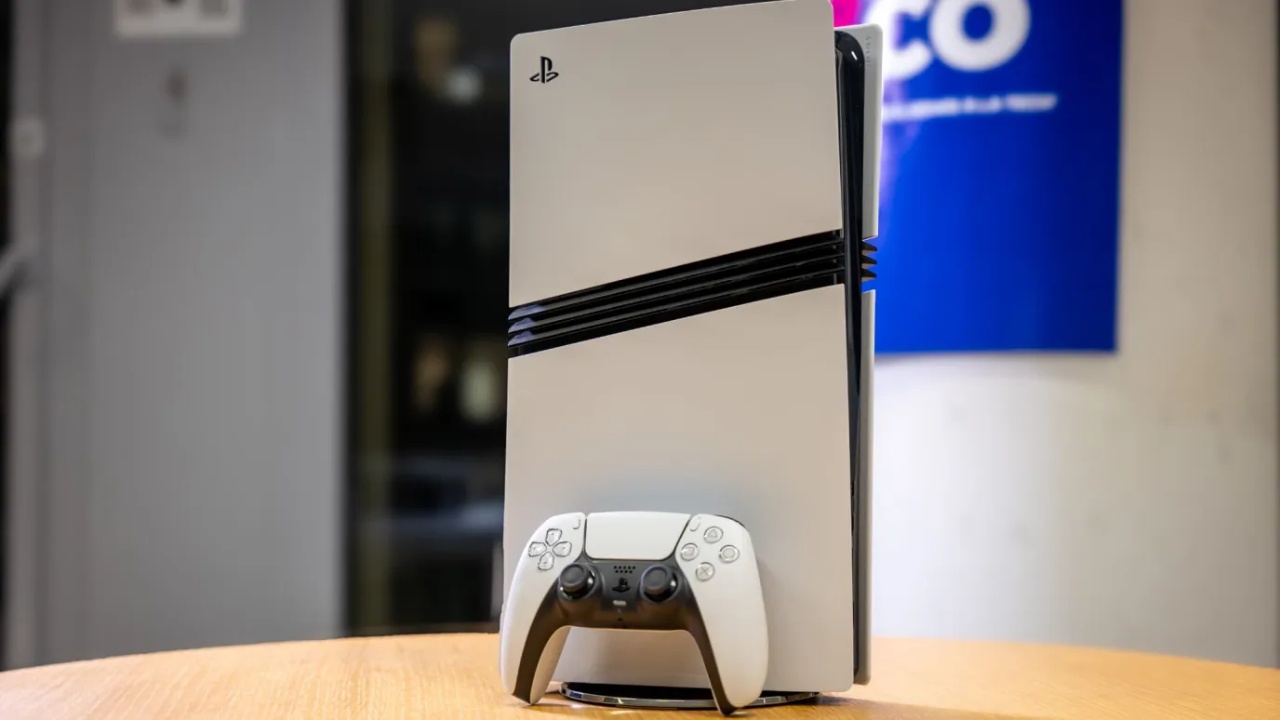
Two SKUs are expected, with one possibly being for a handheld console. The discussion centers on whether consoles are moving away from traditional generations to iterative improvements released every three years or so. While this approach seems likely for Sony, it would not be limited to the PS5 Pro, as nearly everything PS5 Pro can handle, standard PS5 can manage at slightly lower resolution and frame rate. CPU similarity dictates frame rate targets and stability, so there's no technical reason a game launching on PS5 Pro couldn't also launch on PS5.
Support for cross-generation games is likely to last for the first three to four years of the generation, and maybe even longer if sales are good. It doesn't make sense to only support PS5 Pro because it has a smaller user base. Like the Xbox One family, support for PS5 Pro will likely end when support for the regular PS5 does.
Hardware Considerations and Game Performance
PS5 Pro has a stronger GPU, yet graphics look good on all devices, thus it's possible for games to work on both old and new consoles. Most PS5s will likely be offered with the basic specs, meaning the standard PS5 will still be a big part of the user base. A potential PS6 handheld might have specs similar to or slightly lower than base PS5, requiring developers to implement fallbacks for graphics or machine learning features.
The industry seems to be moving toward longer cross-generation periods than we've seen so far. These intervals can last up to five or six years into the next generation, covering the entire life cycle of that generation. This method ensures developers can easily reach many different platforms while attracting the most players.
Machine Learning and UDNA Architecture
According to TechBot, PS6 will use AMD's UDNA architecture, a mix of RDNA and CDNA principles. This aligns with the trend toward hybrid rendering, which uses machine learning to improve game graphics. Nvidia spends a lot of money on GPU development for better rendering. Still, Sony and AMD don't have as many resources. So, to get the most out of AI-driven graphics, you may need to work together strategically.
PS6 is said to use both 2nm and 3nm process technologies, along with Zen 6 CPUs, and is set to be out in 2027. Suppose UDNA gives the console powerful machine learning and ray tracing capabilities. In that case, it might represent a significant performance improvement over prior generations.
3D V-Cache and Console Efficiency
Reports also talk about using 3D V-Cache. This technology has made CPUs perform much better in PC games, while consoles prioritize efficiency and cost-effectiveness. In some circumstances, using 3D V-Cache can improve performance by 20%.
Still, the extra expense and complexity make it less appealing for console design. The major goal will probably still be to get the most out of the Zen 6 design for CPU advances and the UDNA architecture for GPU enhancements, machine learning, and ray tracing.
Console Launch Timing and Industry Trends
We still don't know whether UDNA will release on consoles at the same time as PC or in stages. There have been historical trends, like RDNA 2 launching on both platforms and PC, that show simultaneous releases are feasible.
But AMD might put more effort into catching up to Nvidia in terms of rendering and machine learning. PS6's aggressive timeline suggests a possible 2027 arrival, making it a very competitive system if UDNA lives up to expectations.
Future of Cross-Generation Gaming
Cross-generation support will likely remain an important part of console strategy. Developers will have to make their games work across many different hardware setups, such as PS5, PS5 Pro, PS6, and maybe even a PS6 portable.
Fallbacks for graphics and machine learning will ensure devices work together while remaining fast. The next generation may see a longer cross-gen period than previous cycles, providing gamers with sustained support and developers with a broad audience to target.
Also, check our other AMD articles below:
- AMD Ryzen 9 9950X3D Review: Setting The Standard For 2025 Gaming CPU
- AMD Ryzen 7 9800X3D Review: 3D V-Cache Goes God Mode with Stunning Gaming Performance
- AMD RX 9070 Performance Review: Thermals, Clocks, and Real-World FPS
- AMD Ryzen 5 7600 Review: Best Budget Gaming CPU of 2025?
- AMD Radeon RX 7800 XT Review: RDNA 3 Power For Midrange Gaming
- Sapphire NITRO+ AMD Radeon RX 9070 XT Review: The Ultimate 4K Gaming GPU
- AMD Ryzen 7 7800X3D: Delivers Gaming Performance Far Beyond Expectations
- AMD Ryzen 9 7900X Review: Powering the AM5 Era with DDR5 & PCIe 5.0
- Intel Core i9‑14900K vs. AMD Ryzen 7 7800X3D: Power Profiles & Gaming Benchmarks
Editor, NoobFeed
Gaming Hardware Updates
No Data.