
RX 10000 and RTX 6000 GPUs Could Redefine the Future of PC Gaming Graphics
AMD’s Highest Frequency CPPC Update Targets Faster Core Scheduling and Better System Responsiveness in Daily Computing Tasks.
Hardware by Nahe Yan on May 15, 2026
AMD is working on a new feature that may offer performance improvements for next-generation Ryzen CPUs. According to reports, AMD is developing a new CPPC feature called Highest Frequency. CPPC is Collaborative Processor Performance Control, a feature that helps the operating system manage CPU performance.
The issue now is that ratings for CPU core speed don't always match up with the core's real clock rate. This makes the operating system's ordering go wrong. The goal of Highest Frequency is to fix this problem by showing the real highest frequency instead of letting the OS guess it. This change should improve the scheduler's ability to assign the fastest core.
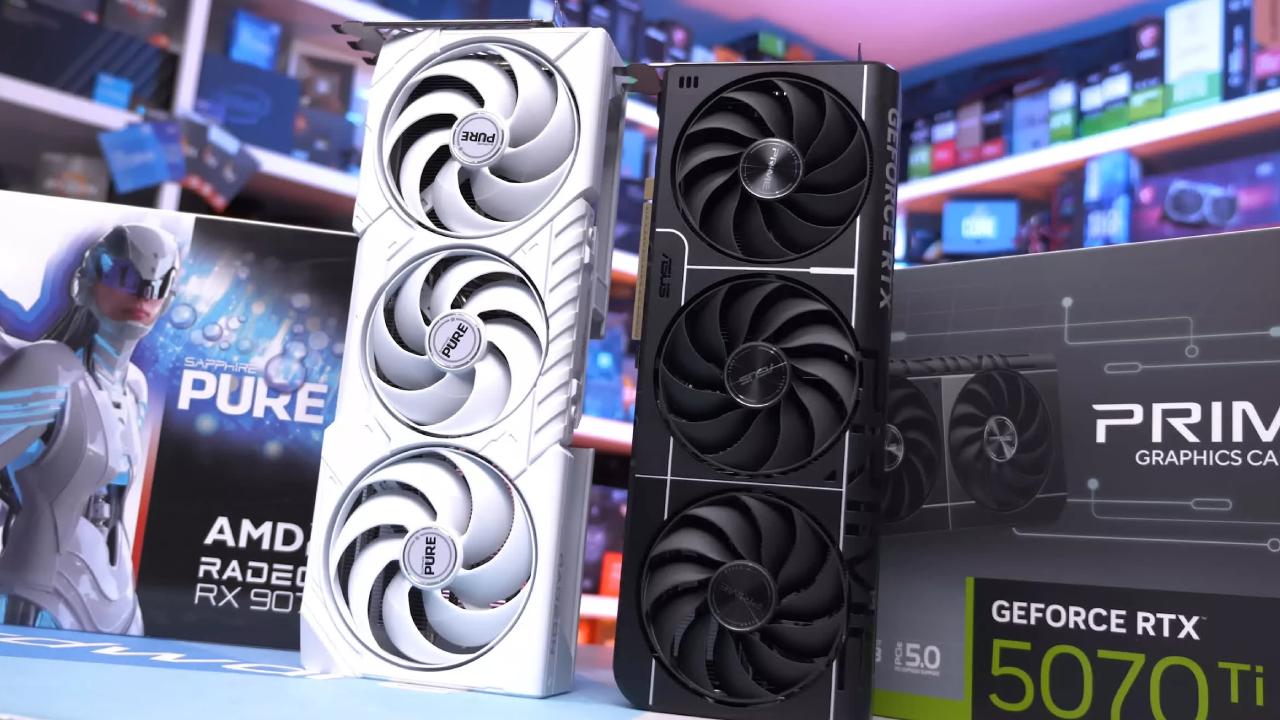
This may enhance some game features, such as 1% lows, making them more fluid. It might also contribute to app launches, browser responsiveness, and tasks throughout the day that rely on good core prioritization. Some smoothness should be gained with peak performance remaining similar. The new register is supposed to be first on Linux and is reportedly being planned for Windows as well.
The Price for the Hardware Continues to Decrease
As demand in the do-it-yourself market has waned, more and more PC components are becoming accessible. Prices for GPUs have already begun to slide in several areas, with a couple of graphics cards selling below MSRP in China, and other GPUs are now selling below MSRP in the United States. The others are now going the same way.
For instance, the Ryzen 7 9800X3D recently hit the price floor on Newegg for $439, and $20 off with a promo code. Also included in the package is an additional 750W Corsair PSU, which is also being included free of charge with the processor. But prices for memory and storage have not yet fallen as much as those for CPUs.
It's not just CPUs that are being cut in price. Monitor prices are also decreasing significantly. The cost of 1440p monitors is dropping, and even high-refresh-rate displays are at new lows. OLED panels are also experiencing declining costs. Some of this is due to older OLED production, and IPS panels are increasingly being toughened up.
There is also a correlation between the fall of demand and pricing trends. A recent report indicated that GPU prices were dropping in China amid concerns about excess inventory, as demand slowed again amid high memory and storage prices.
The same is true of CPU pricing trends. The prices of older DDR4-compatible processors are either holding steady or rising, while newer DDR5 processors have been on a downward trajectory. Ryzen 7 5800X3D is still being sold at a very high price, for instance. The pattern suggests that many buyers are delaying upgrades to DDR5 systems.
The Same Truth for Motherboard Manufacturers
The decreases aren't too severe, though. One of these is manufacturers moving from consumer hardware to professional products to support the AI market. That means that declining demand is not putting as much pressure on supply. Another reason is that demand might not have fallen enough. The drop in gaming revenue of around 20% is likely to be more of an issue in the second half of the year, not now.
However, the extent of the price declines is not known and could continue downward. It seems that the future of graphics may be determined by the next-generation GPUs. RX 10000 and RTX 6000 series GPUs are poised to be some of the most impactful graphics card releases of the year. The outcome of this generation could influence the future direction of graphics technology.
Leaks in recent times have suggested a big performance boost from AMD. There are reports of significant gains in raster performance and potentially doubling the ray tracer's performance. AMD is also developing technologies that it hopes will take graphics technology further.
However, NVIDIA is still quite heavily geared toward AI. AI is also a focus for AMD, though NVIDIA is making a strong case that AI is the answer to almost everything in gaming and graphics. The move brings the company one step closer to its overall AI business growth and to promoting AI adoption.
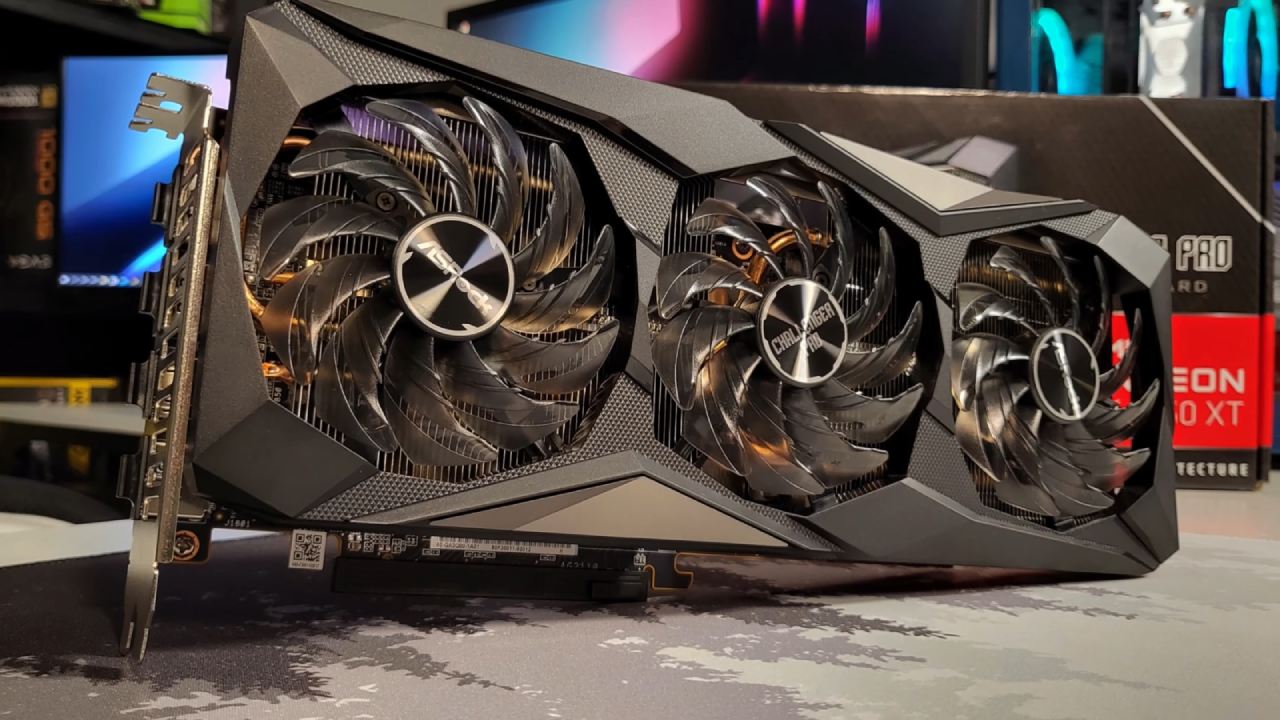
The company takes a different approach to traditional graphics development.
The change was particularly noticeable when DLSS5 was announced. As for previous AI technologies in the gaming industry, they were mainly geared towards enhancing performance. Upscaling technologies were used to create the 'appearance' of higher resolution while maintaining the same game presentation. DLSS5 differs, however, in that the AI can now change a game's visual style, tone, and ambiance as it plays.
It may be just the start of a change. In the past, Nvidia's CEO has said that video games may finally transition into fully AI-generated experiences. AMD is also advancing AI technology, including its upcoming FSR Diamond, which will feature multi-frame generation capabilities. At this time, however, AI-based rendering doesn't seem to be a major focus for AMD like it is for NVIDIA. AMD may be playing catch-up in AI, but the approach is becoming apparent.
The future of GPUs will be a factor in shaping the course of gaming, and perhaps the path will be either AI-powered rendering or a comeback of traditional methods.
Editor, NoobFeed
Gaming Hardware Updates
No Data.