
GTA 6 Price Hikes Cannot Solve AAA Gaming Cost Crisis
Warhorse's co-founder says Rockstar's next game could make higher prices easier for other publishers, while rising industry development costs point to a bigger issue.
News by Adeela Tas on Oct 03, 2026
GTA 6 has already changed expectations around what a major game can cost, and the conversation may be about to move beyond Rockstar. Warhorse Studios co-founder Daniel Vávra has argued that rising development costs are making higher game prices increasingly necessary, while pointing to Rockstar and Take-Two as the companies capable of pushing that change.
The interesting part is where the argument comes from. Discussions about GTA 6 costing $80 have already involved analysts, financial institutions, publishers, and plenty of industry speculation. Hearing the same idea from someone who actually runs a development studio gives it a different angle.
.jpg)
Vávra reportedly believes higher prices could help the business, with Rockstar potentially making the first major move that others feel comfortable following. That does not mean every publisher will immediately copy the $80 model. GTA 6 has a position that very few games can match, and Rockstar has repeatedly managed decisions that would attract far more criticism from other companies.
Its enormous audience, reputation, and expected scale give it unusual room to set expectations.
GTA 6 is also creating industry trends that Rockstar did not necessarily ask for. Every major open-world game released afterward will probably be compared with it, even though Rockstar is simply making its own game. The same applies to pricing. Once Take-Two set an $80 standard edition, other publishers gained a real-world example they can point to when arguing that consumers will accept a higher price.
So far, however, the copycat effect has not fully arrived. Nintendo has tested higher pricing with some major releases, while Take-Two is now doing it with GTA 6. Beyond those examples, most publishers have not openly moved the entire AAA market to $80. That leaves some uncertainty around what happens once the game actually launches.
The Warhorse connection makes the argument especially unusual, particularly because Kingdom Come has already demonstrated how a studio can pursue a large-scale project without relying on the highest possible launch price. Kingdom Come: Deliverance and its sequel were produced on budgets far below the enormous sums associated with some modern AAA productions, yet still sold millions of copies.
That suggests raising prices is harder to reconcile with the studio's own approach. The broader lesson is about development budgets and why game prices alone cannot explain the problem. The Blood of the Dawnwalker has also been discussed as an example of a project produced for roughly $40 million, with sales in the range of a few million copies being enough to put that kind of budget in a much more manageable position.
Kingdom Come's modest budgets show that controlling costs matters before raising prices.
The point is not that every studio can reproduce those numbers, but that controlling costs can change the financial equation before a publisher asks customers to pay more. This matters because development timelines have become one of the industry's biggest expenses.
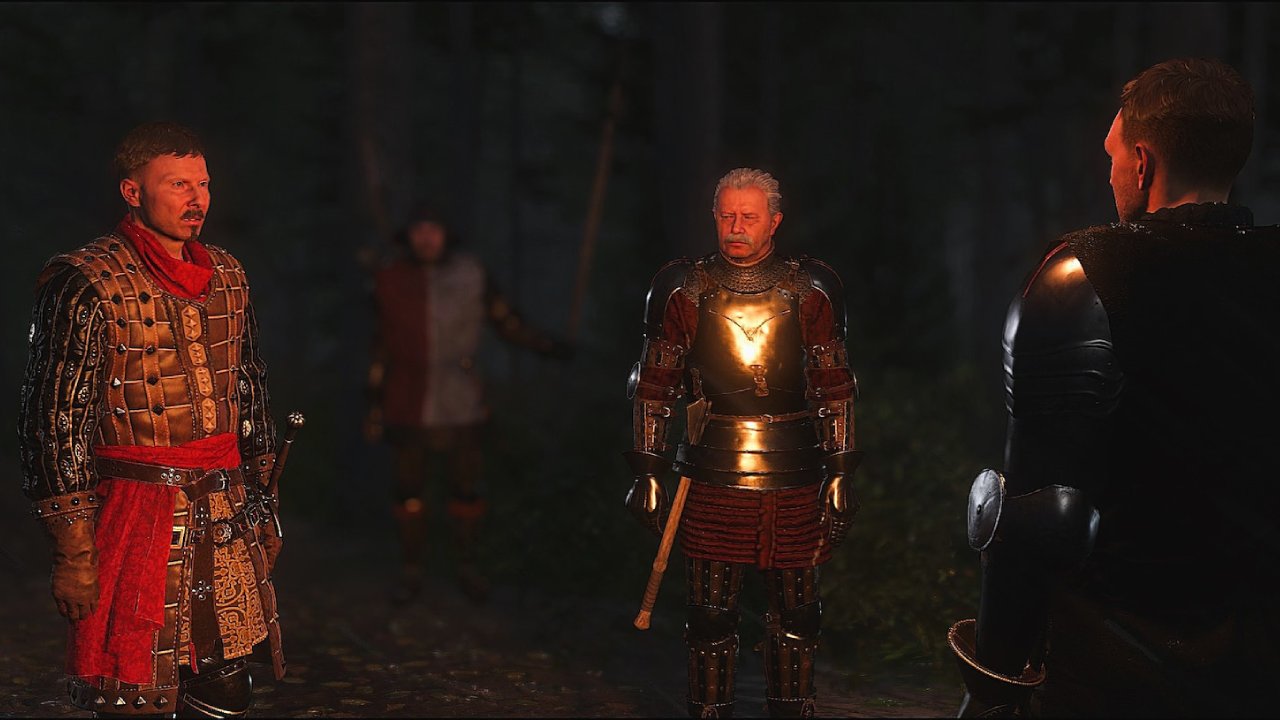
A studio employing 300 people for six years is carrying an enormous salary bill before marketing and other costs are even considered. Cutting a project from six years to five would remove an entire year of salaries from that game's budget. Depending on the region and workforce, that can represent tens of millions of dollars.
That matters most when discussing game prices, especially for teams based in expensive markets such as the United States, Canada, and the United Kingdom. Studios operating in regions with lower living costs and different salary structures can sometimes build games for less.
However, that doesn't mean their approach is directly transferable to every major publisher. For GTA 6, the scale is different again. Rockstar and Take-Two can potentially justify an $80 price through the game's size and the audience waiting for it. The danger comes when publishers treat that price as a universal solution for projects without the same commercial reach.
Consider a player with a limited annual gaming budget.
If several major releases arrive in the same month and each one costs $80, buying one game means skipping another. Players who already wait for discounts could simply wait longer. Increasing the launch price therefore does not automatically mean increasing total revenue. It can also reduce the number of people willing to buy at launch.
GTA 6 is an unusually important test because consumers are likely to treat it differently from an ordinary release. A player who normally avoids $70 or $80 games may still make room for Rockstar's next blockbuster. That doesn't mean the same pricing strategy will work for every franchise.
The same problem becomes clearer when you look at a crowded release calendar. If a player has $60, $80, or even $100 available for games in a given month, an $80 title consumes most or all of that budget. Several other games can then lose potential launch customers even if those players were interested in them.
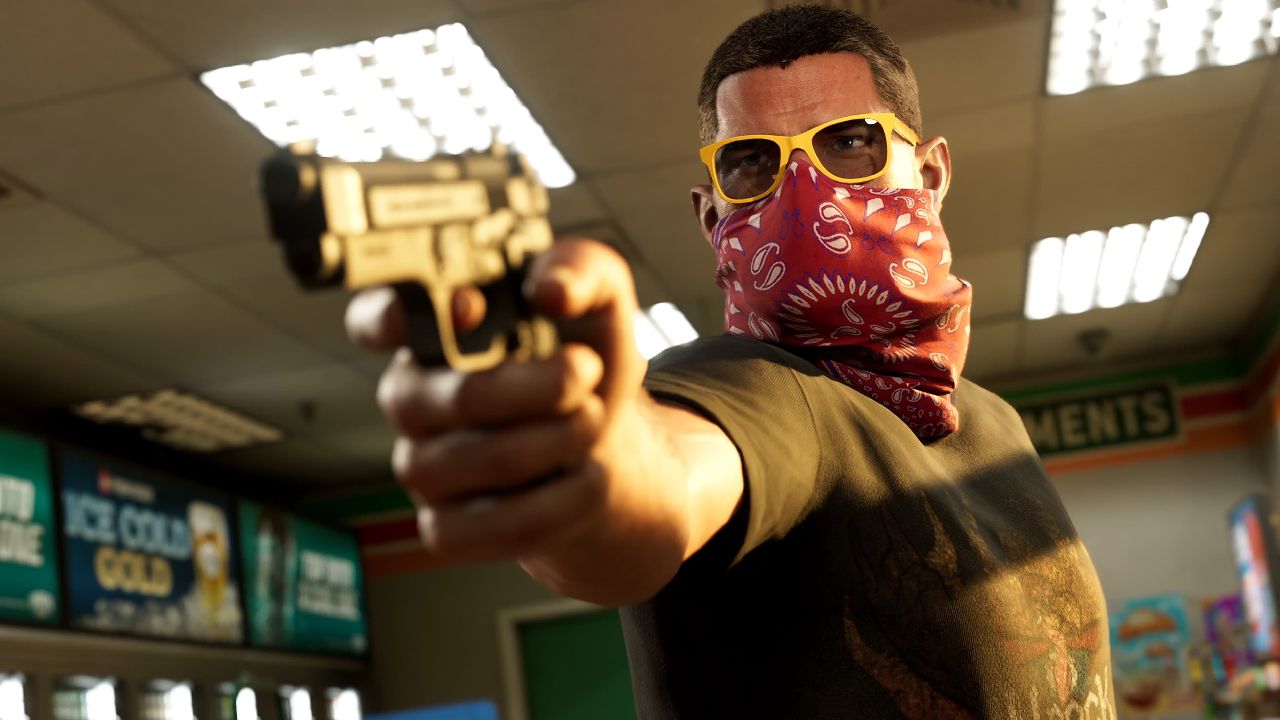
The argument also extends to future hardware. A new console could offer significant improvements, but a customer with a fixed budget cannot simply create extra money to cover a higher price. Games work in much the same way. Publishers can technically set prices wherever they want, but consumers still decide how much they are willing to spend.
That is why cheaper releases can become increasingly important as game prices rise.
Games such as The Blood of the Dawnwalker have launched around the $60 range, with higher-priced editions available, while other releases have stayed below the top end of the market. Persona 6 was also raised as an example of a game that could potentially provide a huge amount of content without necessarily needing an $80 price.
GTA 6 may offer enormous value in content and production, but that doesn't mean every game with a long runtime should automatically cost the same. A 50-hour RPG and a huge open-world action game can feel nothing alike, so judging them by hours played alone doesn't tell you much.
On top of that, mid-budget and indie games face stiffer competition, and they're growing fast. Clair Obscur: Expedition 33 is one example of a lower-priced game achieving major recognition despite operating at a much smaller scale than the biggest AAA productions. Hollow Knight has also shown how a comparatively inexpensive game can compete for major industry attention.
Other smaller projects can deliver similarly strong experiences without requiring an $80 entry point. That creates a difficult situation for publishers. If production costs keep climbing and cheaper games can still pull in huge crowds, just charging more for AAA releases probably won't fix the real problem.
A publisher might end up pushing away buyers from its priciest games while cheaper alternatives start looking a lot better.
GTA 6 could still shake things up once it lands. Other companies might take Rockstar's move as proof that players will pay more. But how it plays out will depend on a lot more than the price tag. Budgets, development time, audience size, release schedules, and the number of competing games all affect whether a higher price actually works.
For now, the industry has not completely followed Rockstar's lead, and that matters because pricing is only one part of the purchasing decision for consumers choosing among crowded release calendars. That leaves the next major shift uncertain.
If publishers want higher prices to become sustainable, the debate may ultimately have to include how games are made, how long development takes, and how much money is committed before release. The $80 price attached to GTA 6 is therefore only one part of a much bigger industry conversation about costs, pricing, and consumer budgets.
Rockstar may be able to move the ceiling, but the rest of the industry still has to deal with the economics underneath it. If publishers can control budgets and shorten development cycles, they may have another way to address rising costs without relying entirely on players to pay more.
Editor, NoobFeed
Related News
No Data.