
Zelda: Ocarina of Time Remake Looks Like a Serious GOTY Pick
A modern return to Nintendo's classic could have more going for it than updated visuals, especially if it adds extra content and hits the right release window.
News by Adeela Tas on Oct 03, 2026
The Legend of Zelda: Ocarina of Time is shaping up to be one of the most closely watched releases around Nintendo's 40th anniversary, and its Game of the Year potential is becoming an interesting part of the conversation.
The biggest factor may be whether GTA 6 is eligible for this year's awards, since a late release could leave jurors without enough time to play and judge it properly. If GTA 6 is left out, the field becomes much less predictable. A possible group of nominees includes Resident Evil Requiem, The Legend of Zelda: Ocarina of Time, Fire Emblem: Fortune's Weave, Pragmata, Control Resonant, and Mina the Hollower.
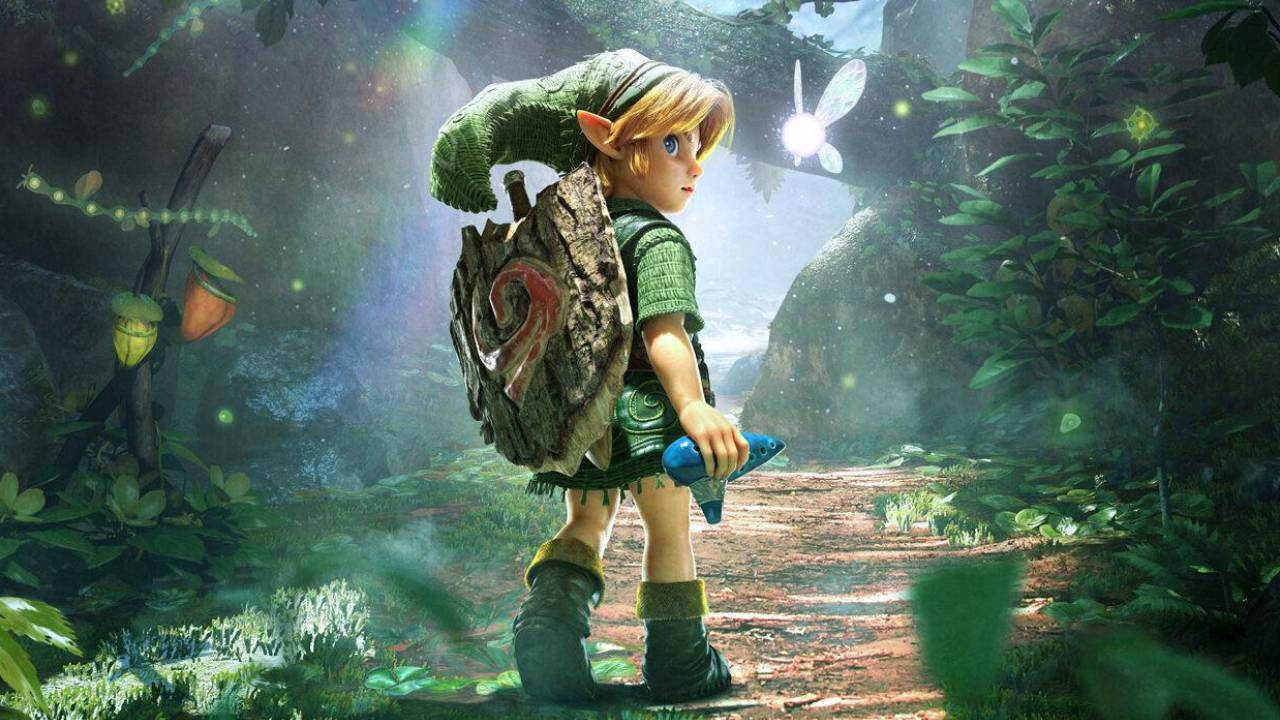
Plenty of other games could enter the race as well.
Think Gears of War: E-Day, Phantom Blade Zero, and Pokémon Pokopia, plus IO Interactive's 007 First Light, The Blood of Dawnwalker, Onimusha, and Big Walk. Resident Evil Requiem and The Legend of Zelda: Ocarina of Time are seen as especially strong possibilities. At the same time, the remaining spots could change considerably depending on how the year's releases are received.
Fire Emblem: Fortune's Weave also has a strong case after earning an 89 rating and landing among the year's highest-rated major AAA releases. Its performance makes its potential omission from the biggest awards particularly notable.
The Legend of Zelda: Ocarina of Time could have an unusual opportunity because remakes rarely take the top prize. High-profile remakes have been nominated before, including Resident Evil 4 in 2023 and Resident Evil 2 in 2019, but simply recreating a beloved classic is not normally enough to dominate an awards field. The new version needs to make a strong case that it is more than a visual upgrade.
That is where the modern presentation could matter. The Legend of Zelda: Ocarina of Time is expected to support HDR for richer color and brightness, and VRR for steadier screen motion. It should also run more smoothly, look fresher, sound better, be playable on the go, and come as a physical copy you can hold.
Those changes alone make it easier to revisit the classic 3D Zelda formula, but additional content could separate it from other contenders.
Possible additions include a Boss Rush mode, a Hero Mode, or something inspired by the previously discussed Ura Zelda concept, with harder or remixed dungeons available after completing the main game. If the remake delivers substantial post-game material alongside its technical improvements, it could feel like a much more complete package rather than a straightforward recreation.
That matters even more because The Legend of Zelda: Ocarina of Time is expected to arrive in November, putting its reception close to the awards conversation. A strong critical response could push it into the Game of the Year discussion, and an outright win would be particularly notable because remakes have been nominated several times but have not established themselves as regular winners.
.jpg)
Grand Theft Auto 6 remains the major unknown. Discussions this year have treated it as a near-automatic awards favorite. Still, an industry insider recently suggested its aggregate review score may not reach the 90-plus range and could land in the 80s instead.
The reasoning behind that expectation is unclear, and the final reception will ultimately determine whether that prediction means anything. Grand Theft Auto games have generally been well received, so plenty could still change before release.
Meanwhile, The Legend of Zelda: Ocarina of Time is already showing major demand ahead of launch.
Its pre-orders have remained at the top of Amazon's video game rankings since Nintendo opened them in September. Even when gift cards and digital credit are removed from the broader rankings, it has stayed at the top among actual games. That suggests the interest is not simply a short-lived burst.
The demand around The Legend of Zelda: Ocarina of Time also makes sense given how long fans have wanted a modern version. The last major visual upgrade came with the Nintendo 3DS release nearly a decade and a half ago, and that version was limited to a 240p screen rather than HD. Since then, players have mainly accessed emulated versions through Nintendo Switch Online.
A physical cartridge with current-generation presentation therefore represents a considerably different proposition. The Nintendo Switch 2 hardware is also benefiting from that anticipation. The Zelda 40th Anniversary edition has repeatedly sold out through Nintendo's official storefront and has been difficult to find through retail partners even after restocks. Scalpers are part of the market, but they can't explain shortages alone.
For many buyers, the special edition may simply have been the version of the console they were waiting for. Zelda has become one of Nintendo's biggest franchises, and the appeal of owning themed hardware can extend beyond this particular game. Someone not focused on the remake can still want the console because of the franchise branding and the expectation of another mainline Zelda game later.
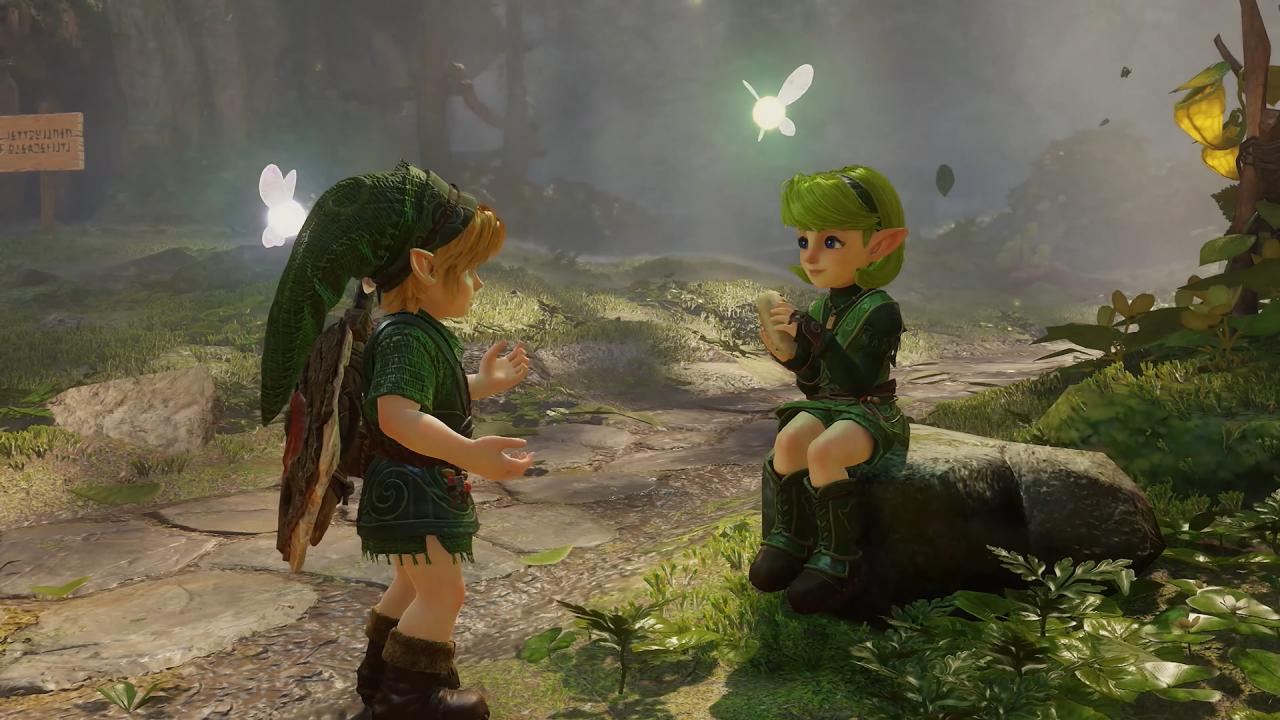
The timing of the Zelda 40th Anniversary edition may also have helped soften concerns around the higher hardware price. The Switch 2 costs more than the original Switch lineup did at launch, although the newer machine is substantially more powerful. Packaging a premium Zelda-themed system alongside one of the most anticipated releases gives buyers a more distinctive reason to spend that money.
The anniversary branding also gives Nintendo flexibility.
The Zelda 40th Anniversary concept works because it celebrates the wider series rather than locking the hardware to one game. That makes the machine feel connected to the franchise's longer history, while still benefiting directly from the current release. For buyers waiting for a reason to upgrade, that combination can be more convincing than a standard system revision.
Rather than tying the system exclusively to Ocarina of Time, the broader Zelda theme can remain relevant across the console's lifespan. That could let Nintendo keep the special edition available even after this remake launches, potentially reducing the need for an immediate hardware redesign when the next major Zelda title arrives. Another themed system could still appear eventually, perhaps alongside a future release or a Switch 2 Lite variant.
The remake also matters for a broader reason: the original changed how 3D action games handled movement and combat. When the first game arrived between 1996 and 1998, developers were still figuring out how to make three-dimensional spaces feel intuitive. Camera control could feel clumsy, and even early 3D games that did well asked players to learn systems they had never seen before.
The first Zelda game helped create a more comfortable answer by combining movement through space, camera control, and close-range combat with a locked target, all through its Z-targeting system. Lock-on and strafing became fundamental ideas for action games, and those mechanics remain recognizable in modern titles decades later.
The history gives The Legend of Zelda: Ocarina of Time more weight than a simple graphical refresh.
You are getting a modern presentation of a game that helped define a major part of 3D game design. If the new version can preserve that foundation while adding meaningful content and quality-of-life improvements, its awards prospects become easier to understand. Personal nostalgia also surrounds The Legend of Zelda: Ocarina of Time, a game that first appeared nearly 30 years ago.
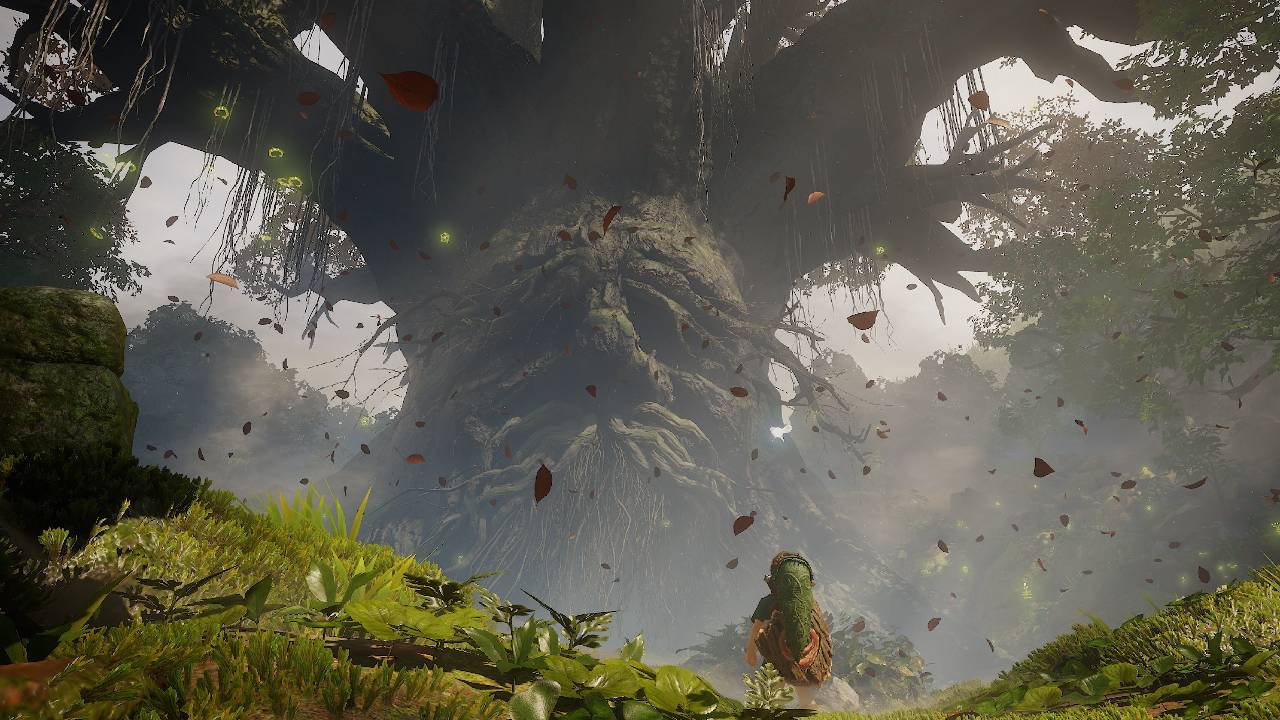
For longtime players, returning to it on modern hardware offers a chance to revisit an important part of gaming history without being limited to the original presentation. The bigger question for The Legend of Zelda: Ocarina of Time's awards campaign is therefore not whether the original is important.
That legacy is already established. It is whether the remake can turn that legacy into a modern release that feels substantial enough to stand alongside new games. With strong visuals, modern display features, improved audio, portability, physical availability, and potentially deeper post-game content, it has several ways to make that case.
If GTA 6 arrives too late to compete, the race could open up. If it does compete, the remake will face a different challenge against one of the year's biggest releases. Either way, strong pre-order demand, anniversary hardware, and the possibility of meaningful new content make this one of Nintendo's most significant releases around its 40th anniversary.
Editor, NoobFeed
Related News
No Data.