
How Old-School Games Keep Finding New Digital Forms
Other by Aisaka Taiga on Nov 17, 2026
A deck of cards in a drawer, a chessboard gathering dust on a shelf. The games we're all familiar with are, in fact, quite happy. They've simply moved on to other formats.
Some makeovers are subtle; others replace pieces and coins with animations and touch controls. The surprise is how much of the original experience survives. The rules often stay put. The thrill of getting a move right hasn't gone anywhere.
Card Games Made the Jump to Digital
Solitaire was the perfect fit for the home computer. You didn't need an opponent, and it was all very familiar, with cards moving around on screen. It came with Windows 3.0 in 1990, when the mouse was still a mystery to many people.
That same pastime served as an informal computer lesson in the game's mechanics. That influence was so great that Microsoft Solitaire was inducted into the World Video Game Hall of Fame in 2019.
Today's versions can shuffle, track your wins, give you hints, and let you undo a bad move. You can also switch variations without starting a new deck. It's a proper kitchen-table pastime now and exactly the sort of thing you can do during a coffee break. There are daily challenges as well which is another good reason to come back.
The appeal hasn't really changed. Finding the right card is still as good as ever, and regretting a move is still as bad as ever. The setup is just easier. The old bugbear of a bad deal is still there in the same form.
Board Games Found Opponents Everywhere
Scrabble used to be all about the actual gameplay: laying the tiles, keeping track of your score, and so on. The digital version now handles much of that. You can have friends play against each other from anywhere, and the dictionary instantly tells you whether a word is valid.
The game has also adapted very well to a range of devices. You can play against friends, play against the computer, or simply work through the various puzzles and activities to build your vocabulary. The fundamental challenge of taking a few letters and making a high-scoring word is unchanged.
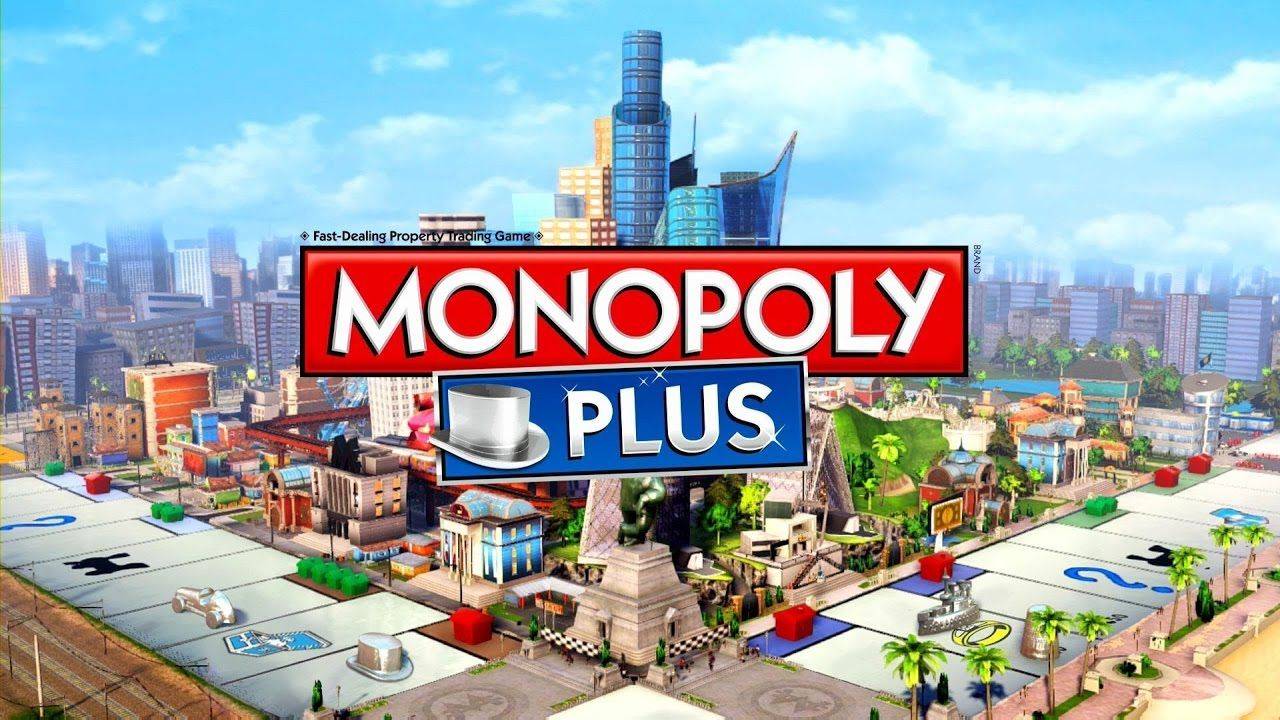
Other traditional board games have made the same move online. Digital versions of classic games (Monopoly, Uno, Yahtzee) are all out there, offering ways to play that differ from the originals, some of which are quite innovative. They also let friends take turns whenever they have time, rather than having to get together at the same time. Of course it's not quite the same as playing face to face. There's a certain satisfaction in making a decision and then seeing your opponent's reaction.

Slot Machines Traded Gears for Graphics
Early slot machines were absolutely brilliant bits of mechanical showmanship. You'd drop a coin in, the reels would spin and the levers would click. The original three-reel slot machine was developed in San Francisco in the late 1800s.
The machine itself changed first with the introduction of electronic and video versions, which replaced the physical mechanisms with screens (the rows of symbols and spinning reels, of course, remained). The digital era then allowed for elaborate themes, animations, and other game features that simply wouldn't have fit in a traditional mechanical cabinet.
It's no surprise that online slot games have evolved with the technology. The old constraints of mechanical reels are long gone and developers are now fully exploiting the possibilities. The digital format has enabled all sorts of innovative reel designs, a raft of engaging bonus features and an overall more immersive experience. There are now literally thousands of themes available to the player, from the most adventurous to the most 'Silver Screen' gem-inspired (and everything in between).
One of the biggest differences was behind the scenes. The old slots used physical mechanisms to determine where the reels would stop. The modern slots use a Random Number Generator (RNG) to select the outcome electronically. The spinning reels and animations are just there to show you the result of the RNG selection. Each spin is completely independent of the one before it so your losses on one spin have absolutely nothing to do with the next.
A vintage machine and a modern digital slot can look worlds apart. Both, of course, are built on the concept of the spinning reel and the anticipation of what's going to happen. Technology has certainly expanded how it's presented, but it hasn't made the result any more predictable.
Arcade Favorites Refuse to Disappear
There was always something alluring about video game arcades. Perhaps it was the neon, or perhaps it was the wonder at the huge number of cabinets offering varied games. Or perhaps it was simply sharing the experience while peering over a friend's shoulder. Whatever the reason, the basic joystick-and-button design adapted well to consoles and phones.
A maze to navigate, an obstacle to avoid, or a score to chase means that players can dive right into the action. Complex explanations aren’t required. Modern versions may add saved progress, different difficulty levels, and new graphics, but the underlying challenge is familiar.
Online leaderboards are giving the high score game a real kick again. Rather than just sitting back and watching a mate play in the arcade you can now see how people in other cities and other countries are getting on. It's the same game, just who can get the most out of the rules.
Some people just like the reproductions of the old games, the chunky graphics and the familiar sound effects. Others prefer modern games with a classic look (based on old arcade games) but that do things differently. Retro gaming isn't just about going back to the old days; it's also a design paradigm that people will keep playing with.
Familiar Rules Still Have Their Attraction
There's a comfort in opening a game and already knowing what you're doing. If you played checkers as a kid, you don't need a lengthy tutorial to recognize the board, even on a phone. A digital version can add all sorts of features whilst still preserving that familiar gameplay.
Migrating old-school favorites online isn't just about having a device that's always in your pocket. If you're looking for a group to play with or just an opponent, online versions of old-school games make finding a match a doddle. They also fit your lifestyle. There's always a game to get into when you've got a spare 10 minutes or so to kill.
These games also involve quite different types of challenge. Chess is all about planning, solitaire is a game of choice combined with the element of the deal and slots are pure chance. Treating them all the same would miss the point entirely. After a game of thought and strategy, you're looking for something very different from the person who's just going to spend a few quiet minutes with a pack of cards.
Nostalgia is probably what brings you back for a first-time look. It's the familiar rules, the satisfying play that's just about right to keep you there. The familiar can be absolutely fresh on a new device.
Old Games Still Have Room to Grow
The media keeps changing, from cards and wooden boards through to touch screens and animated reels. The games we know and love are still games we know and love because at their heart they're still simple. That's not a coincidence.
New devices will keep on adding new ways to play. The deck in the drawer and the chessboard on the shelf are by no means obsolete; they're just sharing space with their digital counterparts.
Moderator, NoobFeed
Latest Articles
No Data.