
NVIDIA RTX 5090 16-Pin Connector Failure Raises New Concerns
NVIDIA 16-Pin Connector failures raise new questions about RTX 5090 and RTX 4090 power delivery reliability.
Hardware by Nahe Yan on Sep 29, 2026
The 16-pin power connector used on NVIDIA's 40 and 50 series graphics cards continues to draw scrutiny after two new cases of damaged connectors. One case involves a PNY GeForce RTX 5090, while another involves a GeForce RTX 4090 that was running at only 80% power.
Before comments start claiming NVIDIA didn't make the connector, PCI SIG maintains the standard. NVIDIA is a member of PCI SIG, and the main reason to look at NVIDIA is that the company pushed the standard into the mainstream by adopting it into its reference GPUs.
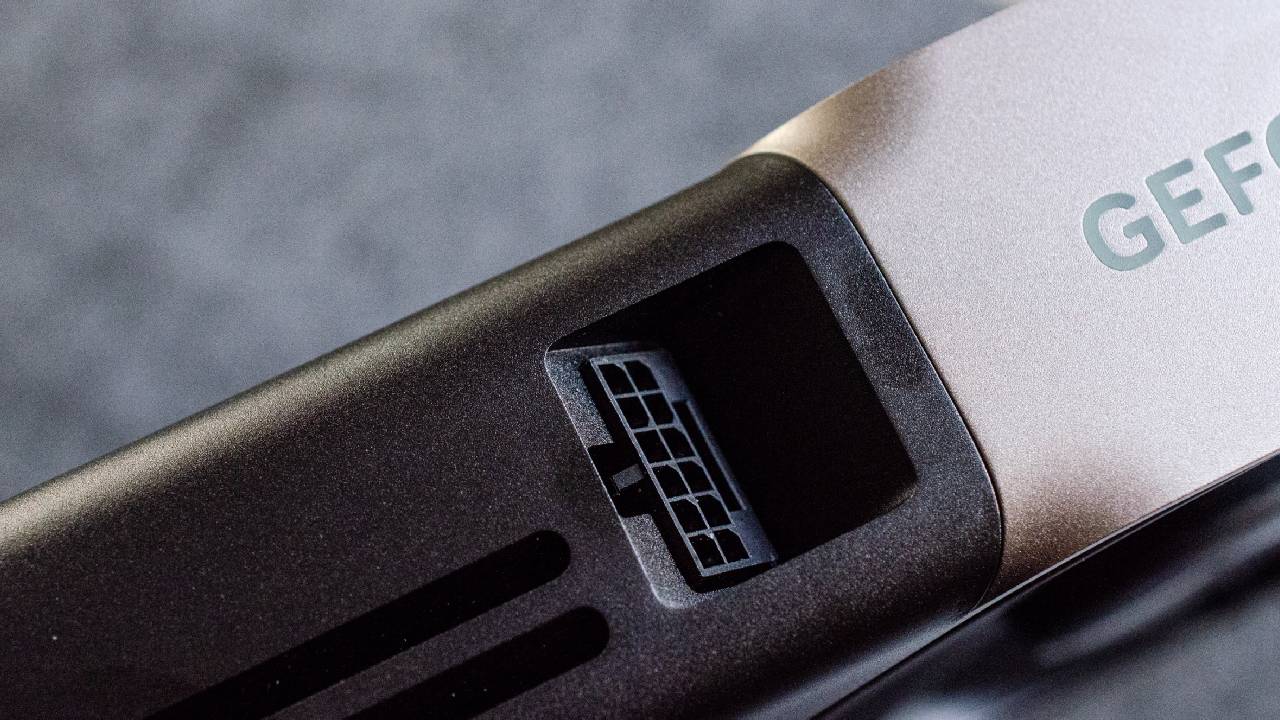
RTX 5090 Connector Melts With Native 12V-2x6 Cable
Starting with the RTX 5090, the owner was reportedly using an ASRock 1600W ATX 3.1 power supply with its native 12V-2x6 cable. This cable was made specifically to prevent this from happening. Yet the connector apparently melted on both the GPU and power supply sides. PNY reportedly denied the warranty claim because the owner was not using the adapter supplied with the card.
The point of ATX 3.1 power supplies with native 12V-2x6 cables is that you don't need an adapter. PNY apparently told another user that using the included cable was fine. That was something like a year ago, so something may have changed. Regardless, this situation raises questions about how the warranty is being handled.
The user was allegedly ghosted after asking what clause stated that the native power supply cable could not be used. The RTX 4090 case may be even harder to explain. The owner used the official adapter that came with a Gigabyte RTX 4090, and the card was power-limited to 80%. Despite that, the connectors still burned. Two individual failures do not prove that every 16-pin connector is dangerous.
The overall failure rate is not known, and millions of cards are running without problems.
NVIDIA has made no new statement since releasing the 50 series. NVIDIA previously said the problem was fixed, but another case involving a damaged connector has appeared. New products are still being released to address the problem. Lian Li released a new hub just days ago to address the same issue.
NVIDIA needs to address the situation and provide more information about what is happening with these connectors. The original Mega Geometry broke 3D objects down into small clusters of triangles and scaled the level of detail depending on how far away or close the object was. With Mega Geometry 2.0, NVIDIA adds support for streaming those triangle clusters.
Editor, NoobFeed
Gaming Hardware Updates
No Data.