
What Marvel's Wolverine Tells Us About Modern Big-Budget Gaming
A close look at why Insomniac's biggest superhero bet yet stumbles despite its massive price tag.
Games by Adeela Tas on Sep 20, 2026
Wolverine is now complete, and the experience feels like a turning point for the genre. Not just for superhero games specifically, but for how AAA budgets, design choices, and accessibility settings are colliding in 2026. This is a breakdown of what a massive superhero project like this one gets right and wrong, and what that says about where big-budget game development is headed.
Superhero games have a long, uneven history, and few genres have been played through as exhaustively as this one. This year already gave players a genuinely excellent title in LEGO Batman: Legacy of the Dark Knight, proving that the Arkham-style combat formula still works when it's handled well.
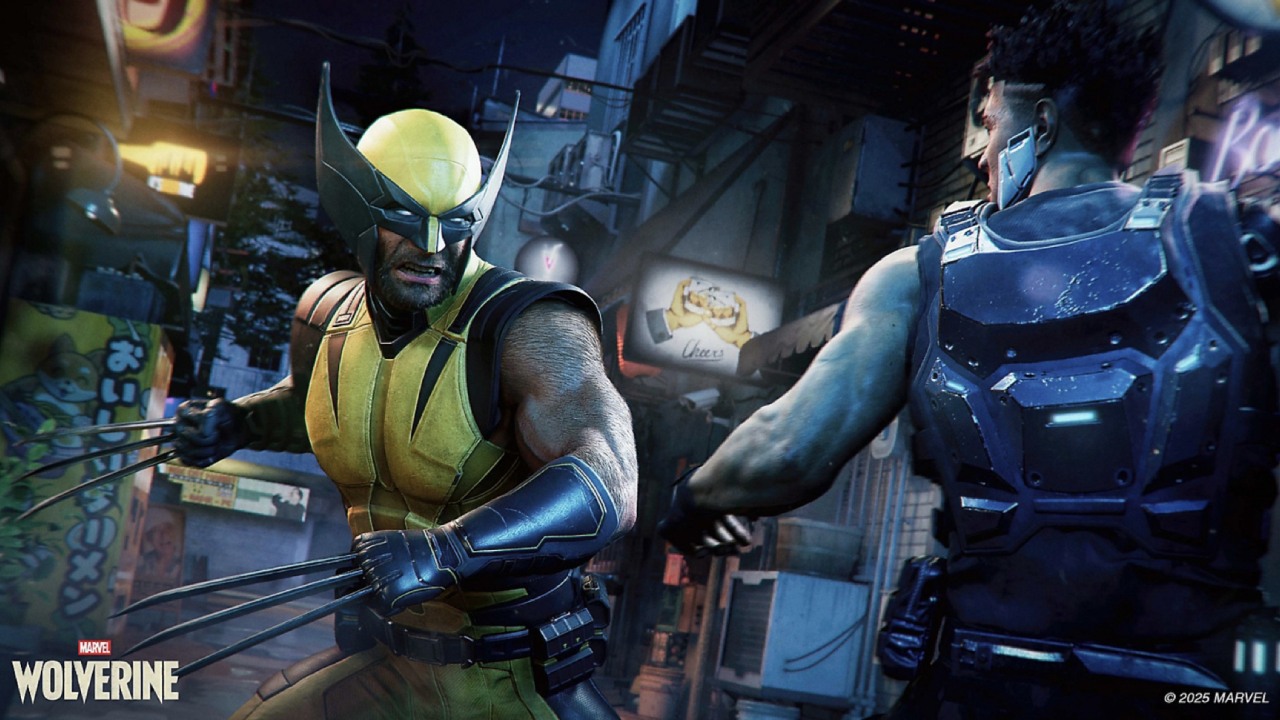
Not every superhero property translates into that same winning formula.
The Spider-Man games showed how that formula can be pushed even further with outstanding movement systems on top of combat. This new Wolverine game, though, feels like a reminder that not every hero fits neatly into that mold, something the industry already learned the hard way with Captain America: Super Soldier on the XBOX 360 generation.
Much of the online chatter has focused on the game's overly aggressive scent-trail accessibility feature. Still, the deeper issue is how thin Wolverine's overall design feels as a playable character. Start with combat. The environments are satisfyingly destructible, and smashing through surfaces gives you a real sense of power.
But the combo system itself is shallow. You'll mostly be cycling through the same two or three button strings for the entire runtime, with barely any aerial options beyond a basic mid-combo jump. Compare that to a 2009 Wolverine game, X-Men Origins: Wolverine, that leaned hard into aerial throws, slams, and knock-ups, and it's clear this new entry plays it safe.
The camera during fights can be genuinely rough too, which is surprising given how well Insomniac nailed camera work in its Spider-Man titles. Here, it frequently drifts off-center or gets stuck against walls, which is a real problem in a combat system built around parrying and dodging on greater difficulties.
As you fight through enemies, you'll earn experience to unlock new moves, perks, and passive buffs called strands.
By the time credits roll, you'll have unlocked nearly everything the skill tree offers. But that's exactly the problem. Core mechanics you'd expect from the jump, like parrying multiple attackers or performing a double stealth takedown, are locked behind upgrades you don't get until well into the story. Even stranger, upgrade slots focus on helping you find collectibles the scent trail already points directly at.
A well-designed upgrade system should let the fundamentals feel complete from the start, then build additional depth on top. Here, you spend the whole game chasing basic functionality, and by the time you finally have it, there's nothing left to build toward.
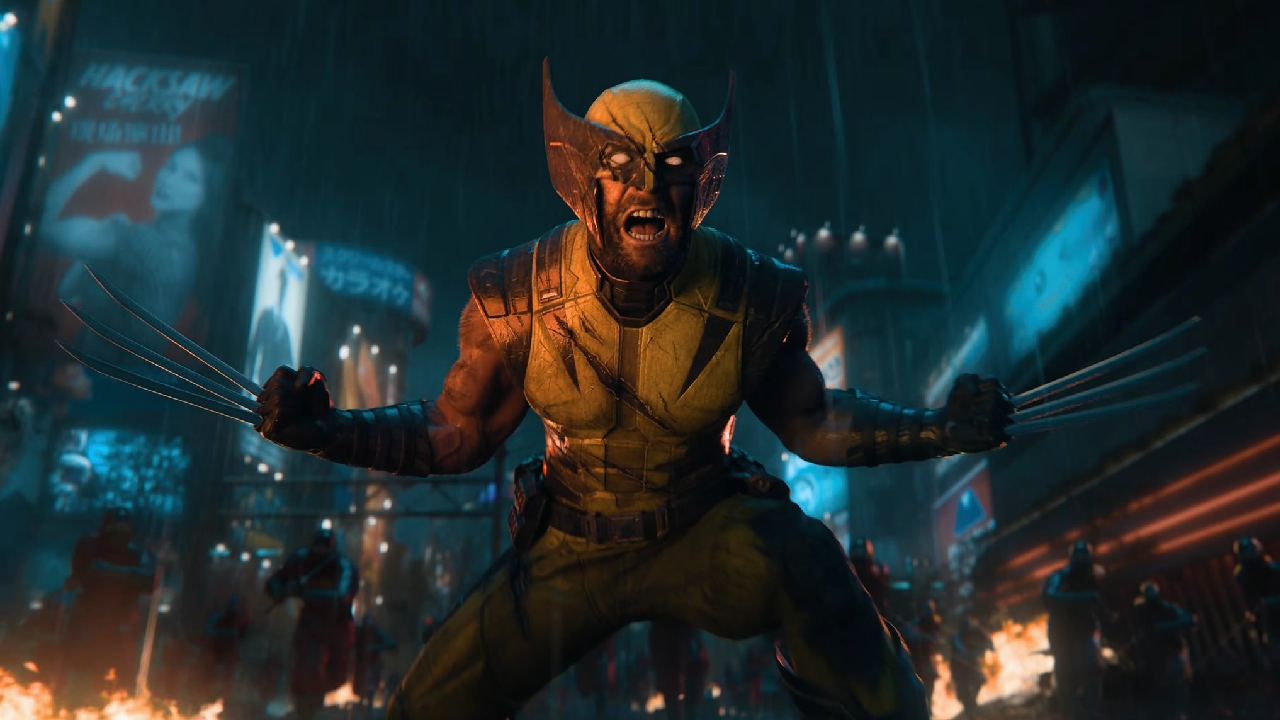
This thin combat design raises a bigger question: why doesn't this game let you play as anyone else? Insomniac previously defended giving Mary Jane a playable role in Spider-Man 2, explaining that they wanted to show a non-powered character could still be capable and heroic, even if it meant cutting other content to make room for her.
That's a fair creative stance, but it's odd that a character like Wolverine, who desperately needed a second perspective to break up the repetition, never got one. Leaked pre-launch development footage reportedly showed Jean Grey as playable at some point. Had that survived into the final release, it might have relieved a lot of pressure on a combat kit that just isn't deep enough to carry an entire campaign solo.
Look at how Insomniac approached Spider-Man for comparison.
It wasn't just the presence of web-swinging that made it special; it was the feel: the momentum, the tricks, the way the camera let you soak in the city while swinging. Combat also let Spider-Man cover massive distances, pulling enemies together from all over an arena, throwing gadgets, yanking weapons away, and stringing together combos that felt genuinely inventive.
The sequel added Miles Morales with his own distinct toolkit. All of that reflected a real understanding of what makes the character work, and it carried into the storytelling too, especially the way Peter Parker's human side got explored before every big superhero moment. By comparison, this new Wolverine project feels like it's short on original ideas.
Given how destructible the world already is, something inspired by the evisceration mechanics from Metal Gear Rising: Revengeance could have been a perfect fit, letting Logan carve through enemies and environments alike. Instead, the combat leans almost entirely on parrying, which feels backward for a character best known for absorbing insane amounts of punishment rather than avoiding it.
Every boss fight revolves around dodging and parrying until a stagger meter fills up. And the parrying itself, even on the hardest difficulty with default settings, feels floaty and inconsistent, especially once enemies start attacking in overlapping patterns that make the mechanic feel unfair rather than skillful.
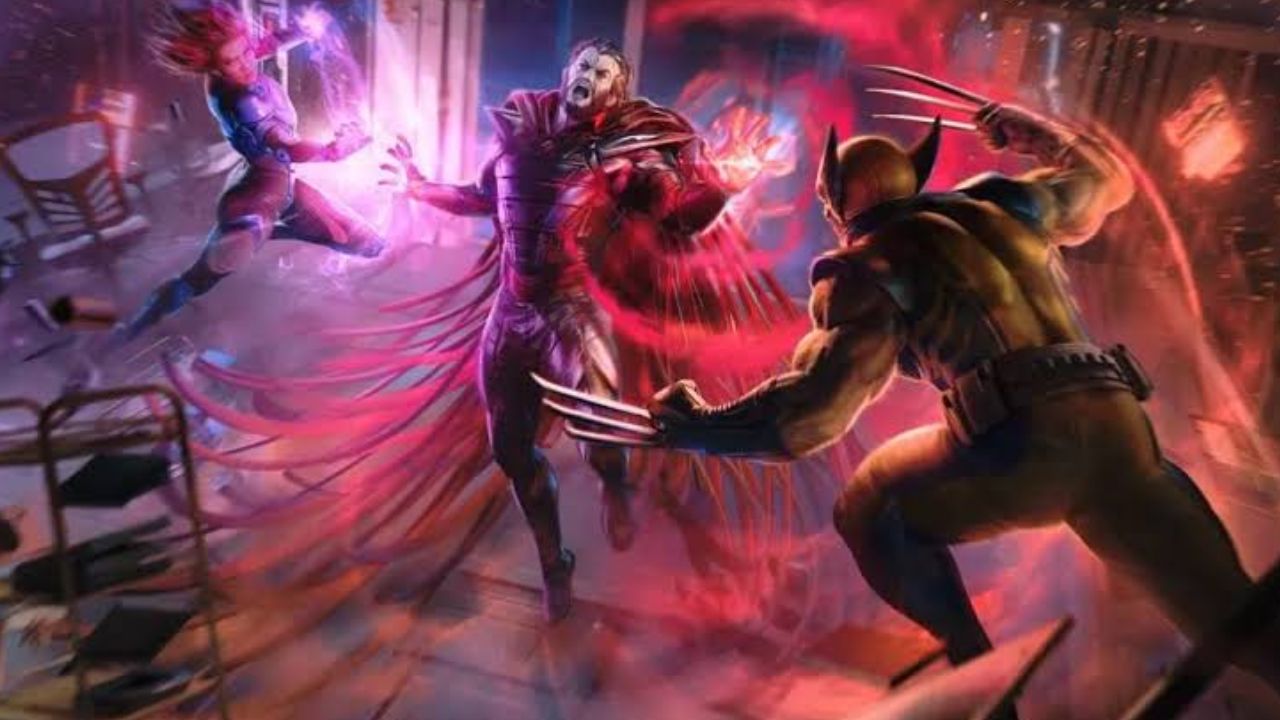
Traversal is another letdown, especially from a studio that built genuinely creative movement systems in past projects.
Instead of letting you climb freely, paint markings dictate movement by showing exactly which surfaces you can scale. A hit-counter system tied to rage generation, more distance on lunge attacks, or bigger, more theatrical set-piece moments involving other mutant allies could have added some much-needed flair. Even Logan's decades of history barely gets used beyond simple side challenges and audio logs.
Raw visual fidelity isn't enough to separate a game like this from the superhero titles of a decade ago anymore. That lesson keeps repeating across the industry, where third-person combat increasingly defaults to either generic hack-and-slash or Soulslike parrying loops, with very little experimentation in between.
The bigger story here might be about what happens when one studio gets pulled deeper and deeper into a single franchise. There's a strong parallel to Treyarch, the developer that made several strong Spider-Man tie-in games before eventually delivering some real misses once the workload piled up.
Pressing the same franchise button too many times isn't great for creativity, and Insomniac's reported roadmap suggests more Marvel projects are already lined up. The accessibility conversation deserves its own space too. The scent trail has been controversial, and to be fair, Insomniac has already acknowledged the feedback and toned it down, with an option to disable it reportedly in the works.
The bigger annoyance is the constant signposting, repeating tutorials for things you've already mastered hours earlier.
One reminder is fine. Three overlapping reminders while a scent trail and waypoint are already on screen becomes exhausting. Some traversal challenges are so hand-held that a motorcycle chase sequence can reportedly be completed without touching the controller.
None of this happens in a vacuum. As budgets balloon past the reported $300 million mark, the incentive becomes making sure nobody gets left behind, which explains why backtracking within levels gets blocked. Big set-pieces are designed to be nearly impossible to fail.
Public estimates suggest Insomniac's staff ranges from two to five hundred people. When you factor in California salaries, a multi-year development cycle, and licensing costs, that budget figure starts to make sense fast, especially once you add in stunt marketing like renting out a giant venue for promotion.

Compare that to a recent European RPG made by industry veterans for roughly $40 million, which was reviewed better, sold over a million copies, and is already earning strong word of mouth. That's proof smaller budgets can still produce excellent, ambitious games without needing hundreds of millions of dollars behind them.
Budget and hand-holding aside, the genre has outgrown this kind of caution.
Gaming is a mainstream hobby now, not a niche one, and massive hits with deep, complex systems have proven audiences can handle challenge and complexity without being scared away. That makes the continued reliance on heavy hand-holding in expensive productions feel increasingly outdated.
Ultimately, the disappointment isn't really about failure. This new entry likely won't flop commercially. It's more about wasted potential: a well-known character gets a massive budget and still ends up defined by accessibility debates instead of standout ideas.
If other studios take note and push back against over-signposted design in the future, that may be the one silver lining. For now, it lands as a solid but forgettable experience, competent but never memorable, while LEGO Batman: Legacy of the Dark Knight keeps its spot as the better superhero game this year.
Editor, NoobFeed
Latest Articles
No Data.