
NVIDIA RTX Spark With 128GB Memory Challenges Apple
Nvidia's RTX Spark combines the N1X chip, 128GB of unified memory, and Windows on ARM for local AI workloads.
Hardware by Nahe Yan on Oct 19, 2026
Nvidia's RTX Spark introduces a consumer chip that brings local AI processing to Windows users. Powered by the N1X chip and running Windows on ARM, the system offers up to 128GB of unified memory for running AI models locally. The launch also introduces a new category of devices that combines Nvidia's AI ecosystem with Windows, creating another option alongside Apple systems, mainstream laptops, and mini PCs.
The RTX Spark is designed for users who want to run local AI on the go, use the Nvidia ecosystem, and work with Windows. Nvidia and Microsoft have introduced the product as an option for users who need these features in one system. RTX Spark uses Nvidia's N1X chip, which runs Windows on ARM.
Nvidia RTX Spark Brings Local AI to Windows on ARM
The chip comes in two variants, the 5120 and the 6144, which refer to the number of GPU cores. The 5120 version has 18 CPU cores, while the 6144 version has 20. Both variants can be configured with unified memory ranging from 24GB to 128GB. The system shown here is a laptop, but RTX Spark mini PCs are also expected to launch in the coming weeks.
Unified memory matters for local AI because it shares system and video memory, letting larger AI models run on the device. RTX Spark has similarities to the DGX Spark. The GB10 chip inside the DGX Spark and the N1X chip share the same specifications and use the Grace Blackwell architecture. The main difference is the operating system: the RTX Spark runs Windows, while the DGX Spark runs Linux.
DGX Spark also includes ConnectX-7, while the RTX Spark does not. In terms of AI performance, the RTX Spark is expected to deliver results close to those of the DGX Spark. We tested the system using local benchmarks and organized the results into a dashboard for comparison. This provides an overview of its AI performance and compares it with other systems.
RTX Spark can run Qwen 3.8 27B at approximately 40 tokens per second. Anything above 20 tokens per second is generally usable, and 40 tokens per second provides enough speed for local AI interaction. For prompt processing, the system reaches nearly 3,400 tokens per second in prefill with Llama 3.1 8B.
RTX Spark AI Performance and Local Model Testing
Prefill measures how quickly the system processes the prompt before generating a response. In image generation, Flux 2 fine-4B with NVFP4 reaches 36 images per minute. The system also showed no throttling issues during these tests, although results can depend on the specific machine being tested. The focus is not only on the RTX Spark's performance but also on how it compares with competing systems.
Nvidia or Microsoft did not pay for this review. The main competitors for the 128GB RTX Spark configuration include Apple's M5 Max with 128GB of unified memory and AMD's Strix Halo. All three use unified memory, making them relevant options for running local AI models.
The benchmark results include prefill and decode performance. Prefill measures prompt processing speed, while decode measures how quickly the system generates tokens after processing the prompt. The tests used models from MLPerf 2.0. RTX Spark delivered high prefill performance and competitive decode results.
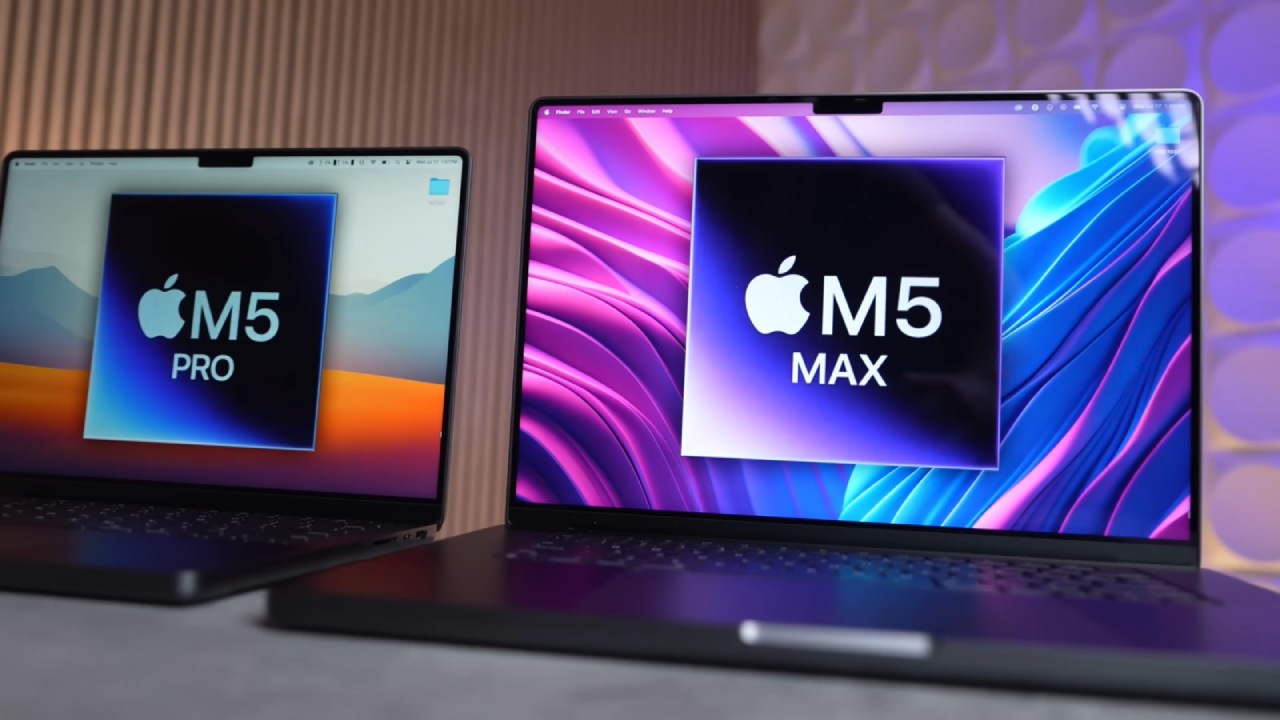
We compared the RTX Spark directly with an M5 Pro MacBook Pro.
The comparison uses the M5 Pro system available for testing, not an M5 Max, which wasn't available for direct testing. In MLPerf, a benchmark suite for AI inference, the N1X chip outperformed the M5 Pro by approximately 5% across most tests. In practice, the two systems delivered similar results, with the N1X holding a slight advantage.
The decode results were also close between the N1X and M5 Pro. RTX Spark outperformed the Strix Halo in the tested decode workloads. For prefill, the N1X pulled ahead of both the M5 Pro and Strix Halo. Its tensor cores may help explain the difference, making the system worth considering for workflows that depend heavily on prompt processing.
The comparison also included aggregated prefill and decode results, with M5 Max figures taken from available online benchmarks. At the tested configurations, an RTX Spark system and an M5 Max MacBook Pro could both cost approximately $6,000–$7,000. This places the two systems in a similar price range. N1X continued to outperform the M5 Max in prefill.
Editor, NoobFeed
Gaming Hardware Updates
No Data.