
NVIDIA vs. AMD GPU— Strategy Changes as AI Takes Over Gaming
Nvidia's business priorities continue shifting toward AI infrastructure while gaming becomes a smaller part of overall strategy.
Hardware by Shinji Okazaki on Jun 28, 2026
NVIDIA's anger revolutionized the whole gaming landscape. In fact, many first learned about NVIDIA via GeForce, which has since grown into a successful business, but NVIDIA is telling investors a new story. The spotlight has shifted from gaming to the rest of the deal. The trend will impact the GPU market, and AMD isn't approaching it with a traditional gaming GPU strategy.
Rather, AMD is branching into AI infrastructure, desktop AI systems, and workstation hardware. Meanwhile, another graphics card company is demonstrating that it's more than just about creating graphics hardware. These changes are significant if you are looking to upgrade your graphics card at any time or comparing the performance of NVIDIA, AMD, and Intel graphics cards, as well as VRAM, AI performance, and value.
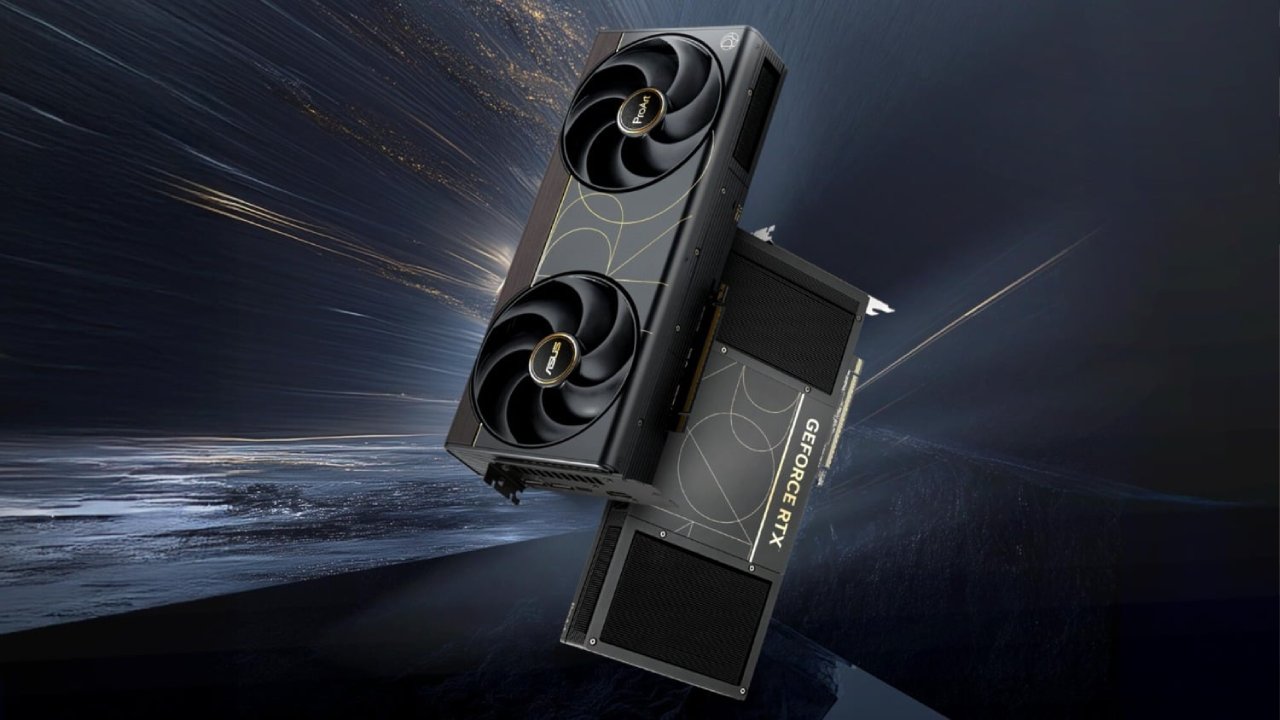
Gaming No Longer Leads Nvidia's Business
In 2021, NVIDIA had more gaming revenue than data center revenue. The core of the company remained GeForce. Today it's a different story. NVIDIA's latest quarter saw revenue of $81.6 billion. Data center revenue totaled $75.2 billion, with edge computing contributing $6.4 billion. NVIDIA has now consolidated all of its products, from PCs to game consoles, workstations, robotics, the automotive industry, and other edge devices into its edge computing business.
RTX gaming isn't going anywhere. DLSS remains significant. Game Ready drivers are still vital. NVIDIA continues to have one of the best ecosystems for ray tracing, AI software, and content creation. But now, gaming isn't what the company is all about. The most profitable business of the AI customer is the purchase of the highest-margin hardware, memory, packaging, and manufacturing capacity.
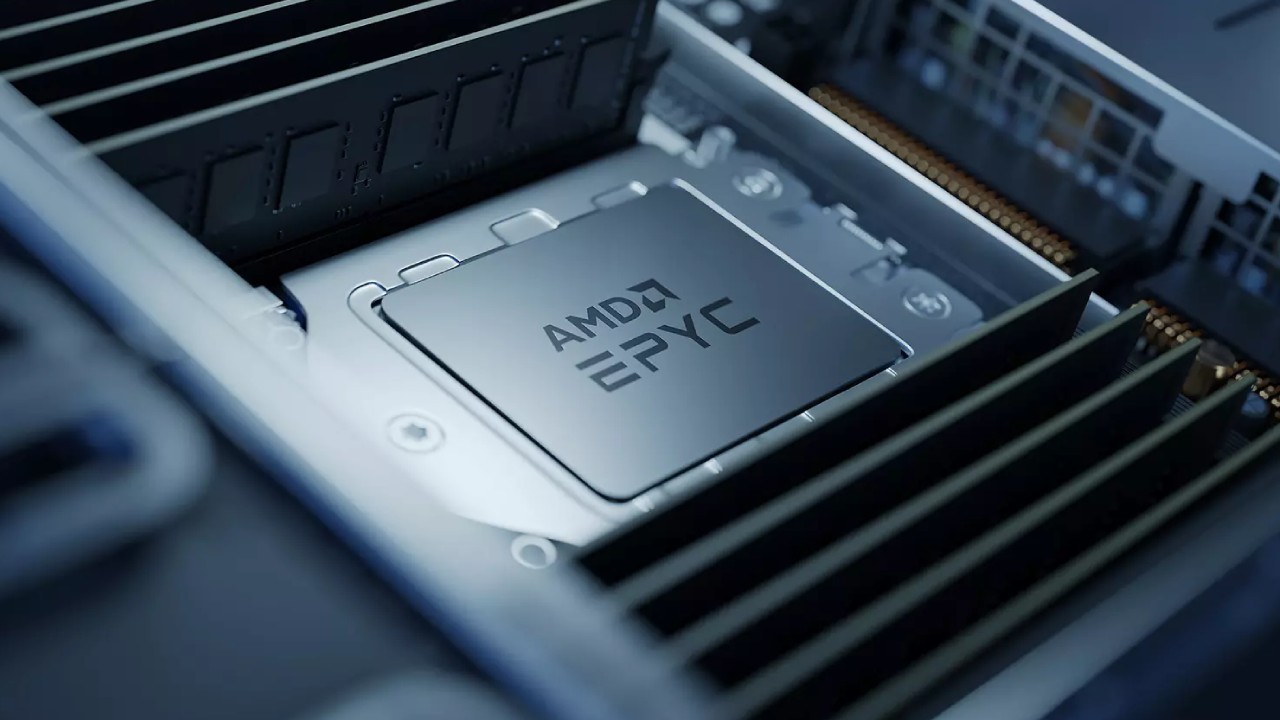
Consequently, there are genuine concerns among gamers about pricing, supply, VRAM options, and priorities. Gamers are no longer the hub of Nvidia's business, although it is a high-end gaming option. AMD revealed that its upcoming next-generation EPYC processor, code-named Venice, has begun manufacturing on TSMC's 2nm process. While this might appear as server information, it could have broader consequences.
The AMD slideshow indicates that Venice will support up to 256 Zen 6 cores, increased memory bandwidth, and a significant generation-over-generation performance boost. These are not gaming benchmarks! These are platform signals. AMD is developing its AI infrastructure based on CPUs, GPUs, memory bandwidth, networking, and even local AI systems into a one-under-one ecosystem.
Tomorrow, there will be no increase in gaming performance in Venice. But if AMD fully invests in AI and data centers, it will generate additional revenue, improve manufacturing power, and have more resources to support its investment in Ryzen chips, Radeon graphics, and workstation products. Venice is not an upgrade to a game. It's the AMD way to build the same kind of future for AI that Nvidia does.
Ryzen AI Max Plus 395 Offers a Different Approach to AI
The flagship Ryzen AI Max Plus 395 has a 16-core, 32-thread configuration, Radeon 8065S graphics with 40 compute units and up to 55 NPU TOPS. The name of the game, however, is memory. AMD supports up to 192 GB of unified memory, with up to 160GB available as VRAM. This is not typical for a client machine.
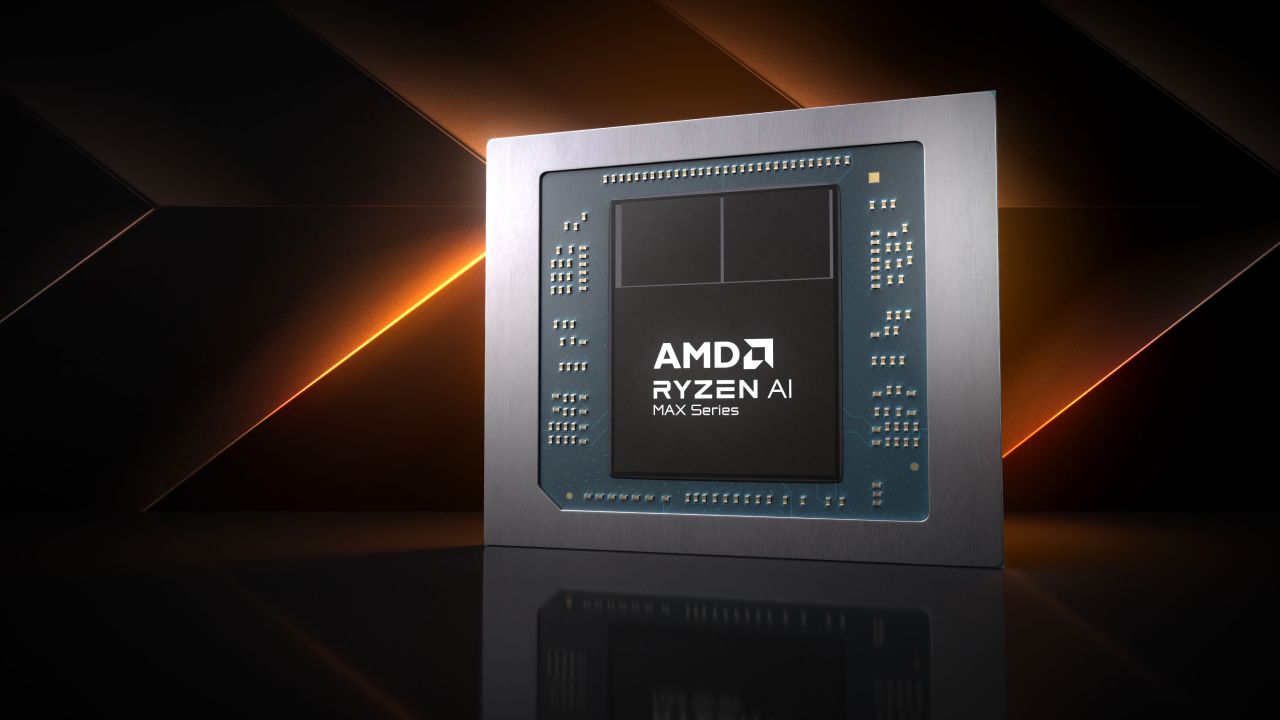
A gaming graphics card is not going to outperform an integrated graphics solution for local, AI-based work tasks, and a 160 GB graphics card is not going to turn into a 16 GB graphics card with a single stroke. Memory requirements may be more significant for creative projects, large AI models, datasets, AI agents, and professional tasks than for gaming performance in some large AI models.
It's not a traditional game product. AMD is betting on growing its desktop AI and workstation computing footprint as NVIDIA takes the lead on AI in the data center. It's not an APU aimed at the gaming community. It's one of AMD's most significant AI PC products.
AMD Has Not Forgotten About Older Radeon GPUs
AMD also has a separate driver for the Radeon RX 400, RX 500, RX Vega, and Radeon 7 series graphics cards, which are all older Polaris and Vega models. The update seems insignificant, but it's important for budget gamers who still rely on GPUs like the RX 580. These users are not looking for path tracing. They just want stable drivers and games that launch without problems.
As new GPUs come to market at higher prices, ongoing support for older models will mean greater value. This is a small driver update, designed to instill confidence over the long haul. A wider test of the Loongson LX-7900 was recently performed. The specifications on paper were competitive. It features 12GB of GDDR6 memory, a 192-bit memory bus, PCIe 4.0 support, modern graphics APIs, and a 225W power target.
Gamers were looking for results comparable to the RTX 4060. Game metrics, however, were not the same. RTX 4060 often performed much better in contemporary video games. It's an important milestone for a new GPU developer that the LX-7900 works with current games. But there are some other problems with pricing. It sells for about $480 to $485, more expensive than some Nvidia, AMD, and Intel graphics cards.
Buying decisions are made based on the driver, game compatibility, frame pacing, upscaling technology, power efficiency, price, software updates, and warranty support. That's part of the reason why NVIDIA is so tough to beat. It is also why AMD and Intel are still relevant. The two firms already have proven driver teams and game support, and buyer confidence. The hardware is a significant foray, but it's not the best buy for most gamers.
NVIDIA is no longer just a gaming company in business.
AI infrastructure is the company's main focus, with GeForce being part of a bigger plan. Nevertheless, NVIDIA still has one of the best gaming ecosystems. AMD is growing in several directions simultaneously. Its2nm's strategy for EPYC is not limited to gaming, with the company's roadmap indicating support for the Radeon driver and the introduction of a large local AI memory platform. While not all products are a boon to the gamer at once, collectively they help build AMD's future.
Once you have decided on your next graphics card, let's purchase a logo. Playing ability, VRAM, driver quality, power consumption, cost, AI functionality, and which games you're playing are all factors to consider. NVIDIA is no longer the only player in the GPU market. It's a game between AI and humans, hardware and software, and price and trust.
Editor, NoobFeed
Gaming Hardware Updates
No Data.