
AMD Zen 6 Ryzen Could Match Zen 5 X3D While AM5 Support Continues
Leaked Zen 6 performance estimates indicate meaningful gaming gains alongside higher IPC, larger cache, and continued AM5 platform support.
Hardware by Tanvir Kabbo on Aug 01, 2026
The next generation of AMD Ryzen CPUs is shaping up to be one of the biggest desktop CPU upgrades in years. Naturally, with more cores, bigger caches, architectural enhancements, faster memory support, and a sustained commitment to the AM5 platform, expectations are high.
Official gaming benchmarks are still few, but there are enough stories, engineering advances, and platform upgrades to hint at what Zen 6 might bring and where AMD's desktop future might go after it.
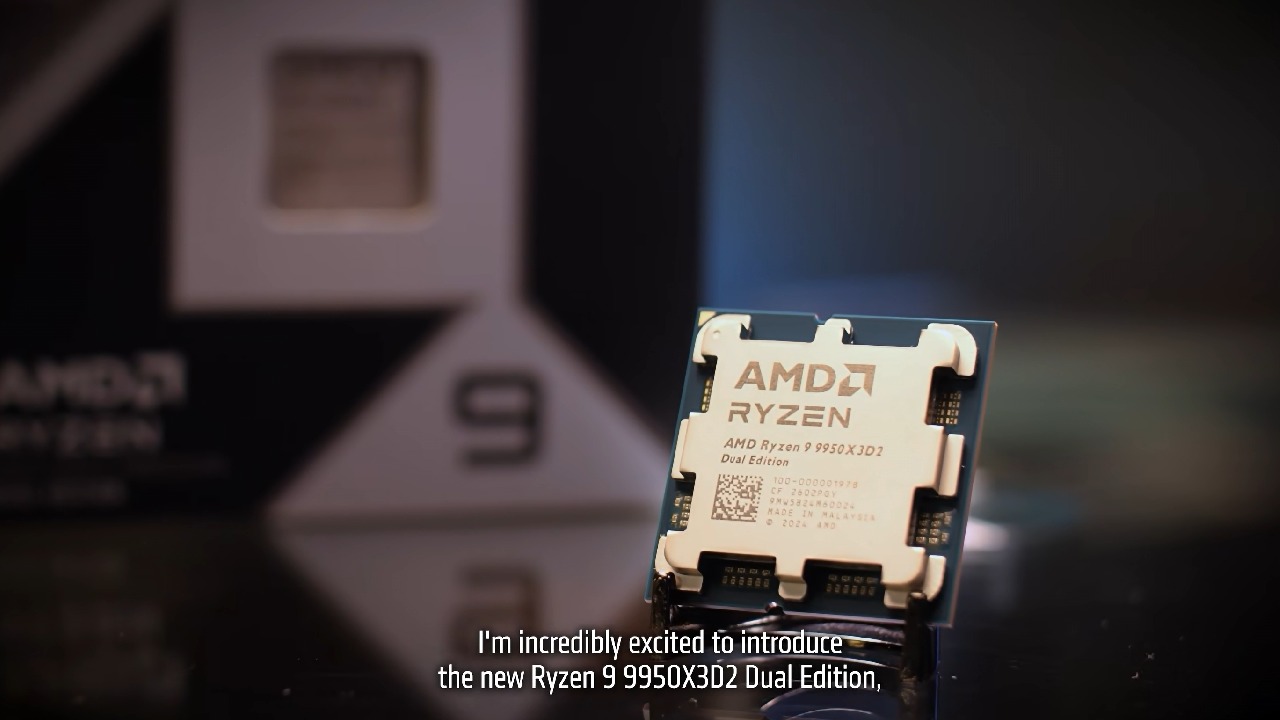
Zen 6 Gaming Performance Expectations
We all look forward to the new generation of Ryzen processors providing massive performance upgrades over their predecessors. After all, if we look at the core counts alone, it's up 50% over the Ryzen 9000 series. But just how much faster will it be in gaming and single-thread performance?
Reports say we're going to go over info that has come from several sources. We will also touch on how AMD is secretly enabling Olympic Ridge, the next generation of Ryzen CPUs, in operating systems, and also clear up the future of AM5.
In short, if you've already jumped onto the AM5 bandwagon, or you're considering it depending on memory prices, now is a good time to do so because the next couple of processor generations, at least, will be supported on AM5. But what about Zen 8? What's going to happen there?
Zen 6 Specifications and Architectural Changes
First of all, let's discuss the performance of Zen 6, primarily focusing on gaming. As a quick overview, each CCD moves to 12 cores, bringing desktop chips up to 24 cores in total. Each CCD also features 48MB of L3 cache, while X3D variants are expected to feature 96MB of cache per stack. There have been rumors suggesting multiple X3D cache stacks per chip, but it's safer to assume a single 96MB stack per CCD for now.
There are also several new instruction set additions expected with Zen 6, alongside broader architectural improvements that should benefit gaming and general performance alike.
Clock Speeds May Not Reach 7GHz
Clock frequency has been one of the hottest topics surrounding Zen 6. AMD has already announced Zen 6 for servers, and comparisons between those server chips and desktop processors have naturally followed. However, making direct comparisons is difficult because desktop and server processors have very different thermal characteristics, integrated heat spreaders, silicon quality, and power considerations.
Based on discussions with multiple sources, 7GHz on lightly threaded workloads simply doesn't appear realistic. Instead, 6.1GHz to 6.2GHz appears to be a much safer expectation. Around 6.3GHz could certainly happen, while 6.5GHz might only be achievable through aggressive overclocking combined with an extravagant custom water-cooling setup.
More Than Just Higher Clock Speeds
Of course, higher clock frequencies aren't the only factor that matters with the next generation of processors. Core count is increasing by 50%, while L3 cache capacity per CCD is also increasing by 50%. That extra cache matters even for games that don't scale across dozens of CPU cores.
For example, a title like Counter-Strike 2 doesn't necessarily spread work evenly across all 24 cores or 48 threads. Even if a game primarily utilizes only several CPU cores, the additional cache can still provide meaningful benefits. That's why the larger cache could become one of the biggest contributors to gaming performance improvements.
.jpg)
IPC Improvements and Faster Memory Support
We're being told IPC gains average around 10%, although estimates vary depending on the source. Some reports suggest gains closer to 15%, but that appears rather optimistic. A more realistic expectation seems to fall between 8% and 12%, making an average improvement of roughly 10% a sensible estimate.
Memory support is another important factor. Some reports claim official support up to 7200MT/s, but indications strongly suggest 8000MT/s support instead. Faster memory alone can become a significant driver of gaming performance, particularly alongside Zen 6's architectural improvements.
Early Gaming Performance Estimates
One source has specifically indicated that standard Zen 6 processors could perform on par with Zen 5 X3D chips, although the workload wasn't specified. For context, that comparison refers to standard Zen 6 processors rather than X3D models.
Another independent source estimates Zen 6 gaming performance to be roughly 15%-18% higher than Zen 5 when comparing standard processors against standard processors. In other words, those estimates compare chips without any additional 3D V-Cache advantages. These projections already account for both IPC improvements and higher clock frequencies.
Engineering samples are now beginning to emerge, while AMD has already started providing server partners with processors and has technically launched the EPYC lineup. It will be extremely interesting to see how these processors perform once independent gaming benchmarks begin appearing.
While we're remaining somewhat conservative regarding performance expectations, there are enough architectural improvements across the processor that meaningful gaming gains appear very likely.
Bandwidth throughout the processor complex is expected to increase significantly, which should improve not only average frame rates but also minimum frame rates. Those minimums are arguably just as important, particularly in competitive games.
Linux Support Quietly Reveals Olympic Ridge Progress
AMD has also quietly started adding Zen 6 client support within Linux, referencing Olympic Ridge alongside Medusa mobile Ryzen processors. The latest Linux kernel upgrades mention Medusa 1, Olympic Ridge, and Medusa 2, suggesting that software enablement is already taking place behind the scenes as the hardware is being worked on.
Although this remains very early work, it suggests that the platform continues moving toward launch. Official gaming benchmarks remain limited, but more substantial leaks are expected to appear soon.
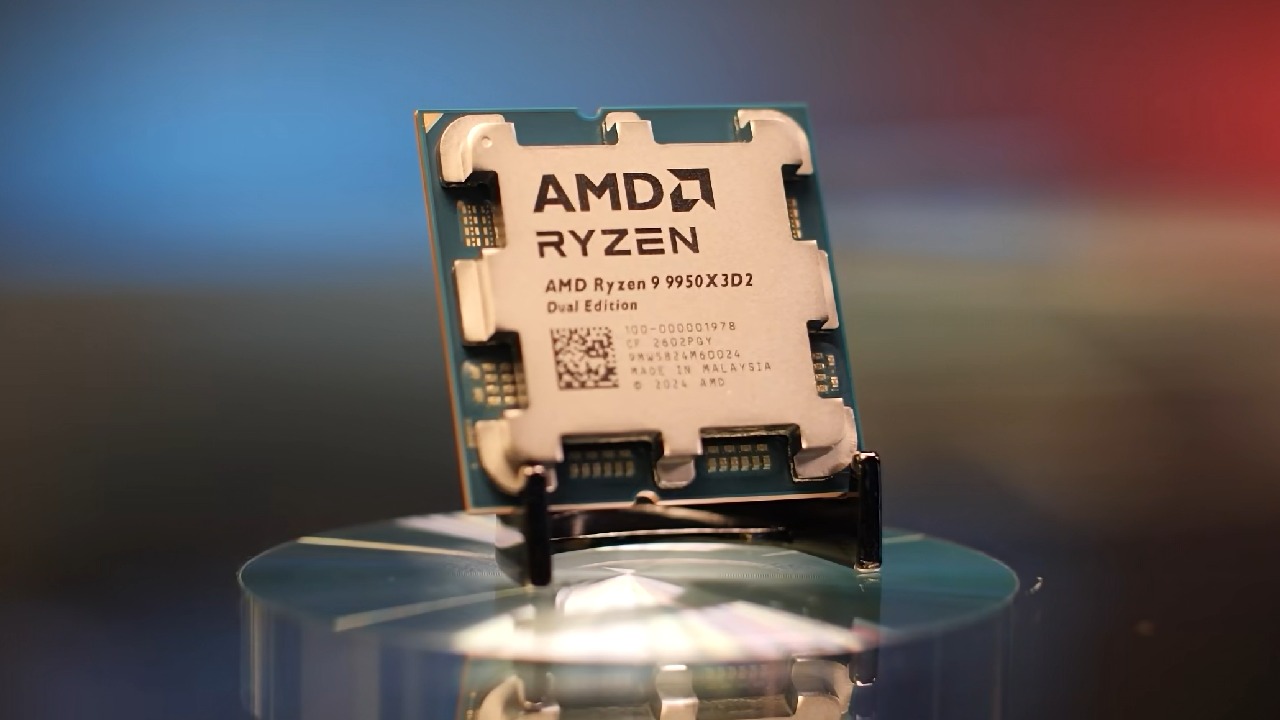
AM5 Has Plenty of Life Remaining
Attention has also shifted toward AMD's long-term platform roadmap. AMD has already shared information regarding Zen 7 and Zen 8, with references extending toward 2030. Those timelines almost certainly refer to EPYC server processors rather than consumer desktop CPUs.
Current indications suggest AMD hasn't changed its desktop release plans. The next Ryzen generation is still expected to be announced around CES, while RDNA 5 graphics cards may arrive somewhat later.
Memory market conditions continue creating uncertainty throughout the industry, making long-term scheduling difficult. AMD has also previously stated that AM5 would continue supporting multiple Zen architectures beyond 2026. According to the company, confidence in both the platform and the memory ecosystem allows additional processor generations to remain on AM5.
Everything currently points toward Zen 8 becoming the platform's final major architecture before AMD eventually transitions to AM6.
Looking Ahead to Zen 7 and Beyond
At this point, very little concrete information exists regarding whatever ultimately follows Zen 8. DDR6 appears to be the most likely memory standard by then, although some form of LP memory cannot be ruled out either. Hopefully, memory pricing will stabilize well before Zen 6 launches, allowing more users to adopt the platform without today's supply concerns.
Current rumors surrounding Zen 7 also suggest yet another increase in core counts. Desktop Ryzen processors have already moved from 8 cores per CCD toward 12 cores with Zen 6 Olympic Ridge. Reports now suggest Zen 7 could increase that figure to 16 cores per CCD. Assuming AMD continues using dual CCD designs, flagship desktop processors could eventually reach 32 cores and 64 threads.
That level of compute capability would be remarkable, even if most desktop workloads won't fully utilize 32 cores for several more years. Nevertheless, it demonstrates just how aggressively AMD appears to be scaling desktop Ryzen processors over the coming generations.
Senior Editor, NoobFeed
Gaming Hardware Updates
No Data.