
AMD Ryzen 11000 vs. Ryzen 9000: Next-Gen AMD CPUs Could Be Twice as Fast
AMD’s next-generation Ryzen 11000 CPUs will introduce the Zen 7 architecture built on TSMC’s advanced A14 process node.
Hardware by Masaru Hoshino on Nov 12, 2025
Ryzen 11000 series from AMD is going to be one of the biggest performance boosts between generations ever. The next-generation Zen 7 range, codenamed Grimlock, appears like it will change what people expect from desktop and laptop performance.
New leaks have come out that show internal benchmarks and architectural enhancements. Built on TSMC's cutting-edge A14 process node and paired with massive cache redesigns, Ryzen 11000 might just represent the boldest step forward AMD has ever taken.
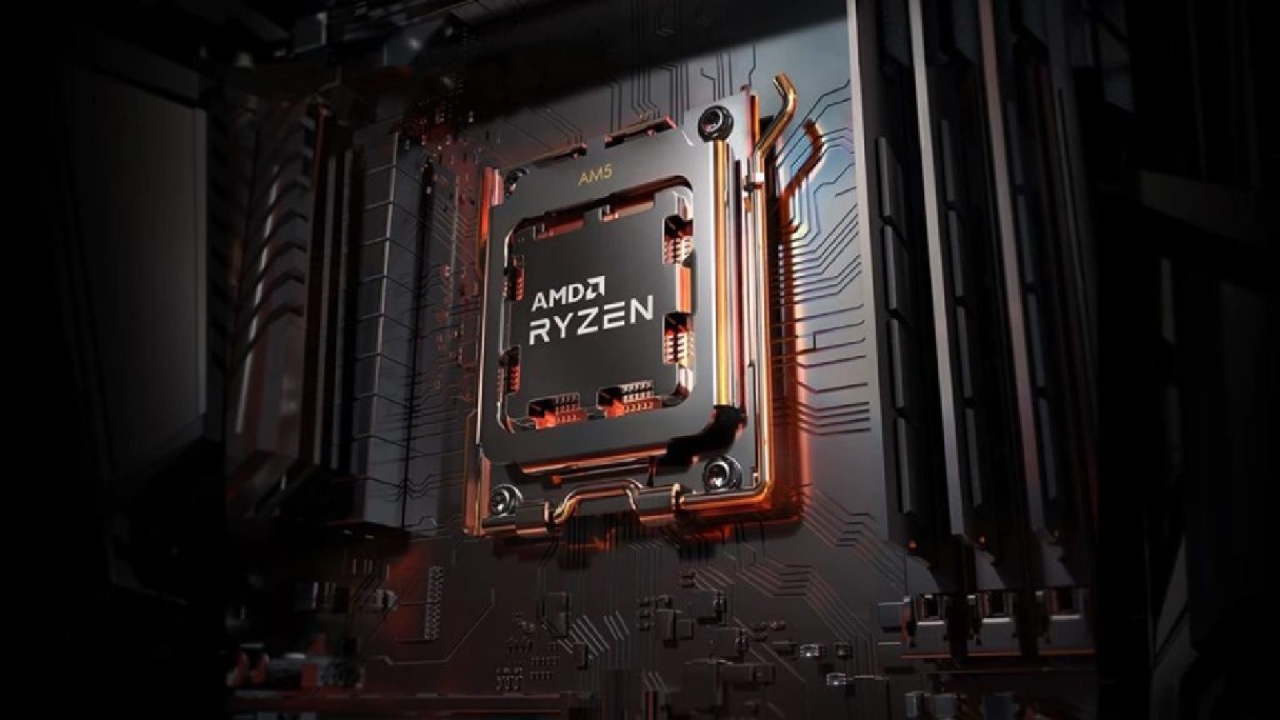
Correction: Fake Ryzen 7 9700 X3D Benchmark
A recent benchmark that seemed to show the Ryzen 7 9700X3D beating its more powerful sister, the 9800X3D, has been proven to be false. The test results were generated by spoofing CPU information in Linux, and Passmark mistakenly listed it as legitimate. Although benchmark leaks have accurately revealed real products in the past, this instance highlights how easily misinformation can spread.
The fake listing has since been removed, and it's now clear that no such CPU exists. The Ryzen 9850X3D and 9950X3D2 are the only real forthcoming processors that have been confirmed by reliable sources. It's a warning that even trustworthy databases can be tricked, and we should always be careful when looking at early performance promises.
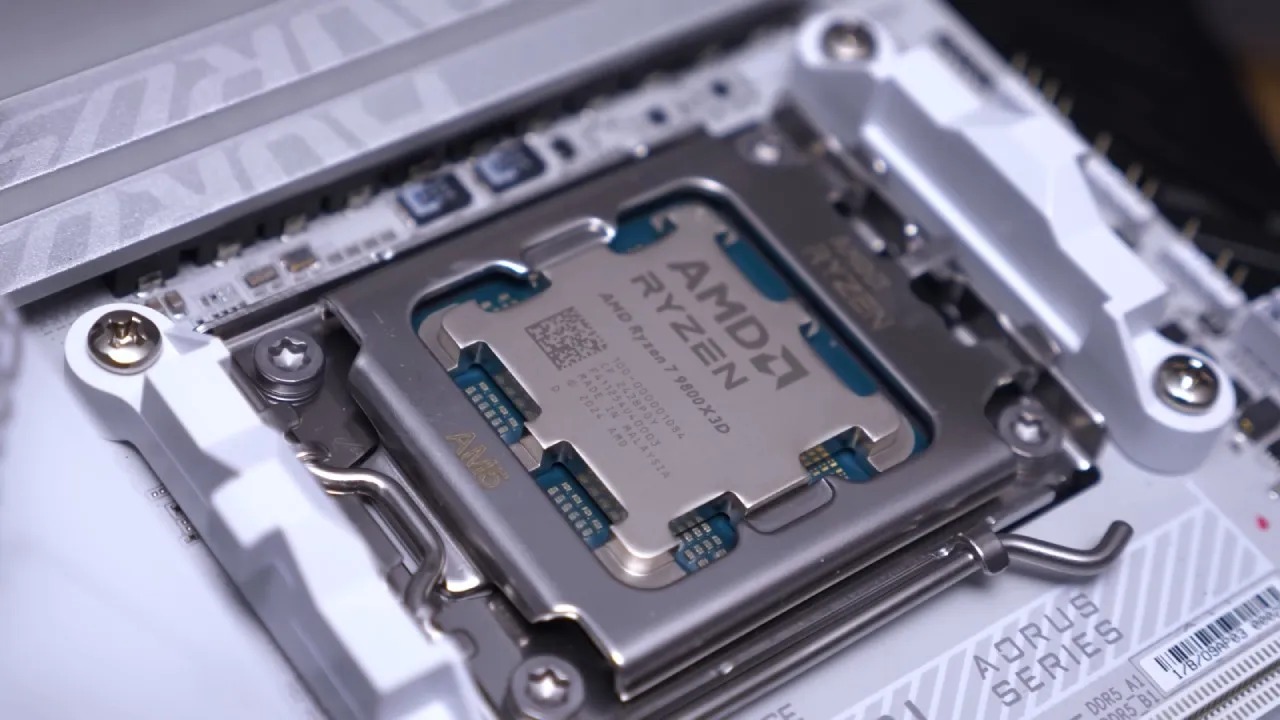
Zen 7: The Grimlock Generation
The Ryzen 11000 lineup is based on AMD’s Zen 3 architecture, internally codenamed Zen 3, with the core architecture known as Zen 3. These are pure performance cores, not efficiency-focused ones, built on TSMC's A14 process—a substantial leap from the N2/N2P node used in Zen6. AMD is clearly accelerating its roadmap, moving rapidly from one advanced process node to the next.
Zen7 also introduces new ISA instructions for quantization format conversions, FP8, and int8 improvements, building upon the AI and machine learning capabilities added in Zen 6. Each desktop chiplet features 16 Zen 7 cores. With dual-chiplet configurations, CPUs can offer up to 32 cores, doubling the core count of the Ryzen 9000.
Cache memory gets a massive overhaul, too. Each chiplet will include 32MB of L2 cache and 64MB of L3 cache, while 3D V-Cache variants add an extra 160MB per CCD. The top-tier dual-CCD models will feature a staggering total of 448MB of L3 cache, minimizing the need for memory fetches and drastically improving performance in memory-intensive workloads.
Performance Uplift: The Biggest Yet
Moore's Law Is Dead says that reliable AMD sources say that Zen 7 is projected to give a big boost to IPC, going from 15% to 25%, with about 8% of that improvement coming from the new cache design. In real life, that means 15–30% better performance on single-threaded tasks and 50–67% better performance on multi-threaded tasks.
When compared against Zen 5 (Ryzen 9000), we could be looking at up to 50% faster single-threaded and over 150% faster multi-threaded performance—numbers that would make Ryzen 11000 a game-changer for enthusiasts, creators, and professionals alike.
Zen 7 for Laptops: Monolithic Power
On the mobile side, Zen 7-based Grimlock chips will arrive with both classic Zen 7 cores and efficient Zen 7C cores. The first monolithic models will have 12 cores in total: 4 traditional cores and 8 efficient cores. With an 8-core Silver King chiplet, systems might have up to 20 cores.
These designs try to get the most performance and efficiency out of each core at a range of power levels, so they work well for both slim ultrabooks and high-performance gaming laptops.
Grimlock Halo SKUs: Ryzen Max Takes Center Stage
AMD is also preparing "Grimlock Halo" SKUs, part of the Ryzen Max lineup, that combine 8 Zen 7 Classic cores and 12 Zen 7C cores for a total of 20. With the addition of two 8-core Silver King chiplets, the configuration can reach up to 36 cores.
These CPUs are designed for ultimate multi-threaded workloads and high-end computing tasks, showcasing AMD's ambition to dominate both the desktop and mobile markets.
Final Thoughts
The Ryzen 11000 series looks to be an absolute powerhouse. From architectural overhauls and expanded cache to the monumental IPC gains, AMD's next generation of processors could represent the biggest performance jump in modern CPU history. If these leaks prove accurate, Ryzen 11000 won't just be an upgrade—it'll be a statement.
The only question that remains is whether these chips will arrive with equally massive price tags. For now, all signs point to AMD pushing performance boundaries harder than ever before, setting the stage for an exciting next chapter in the CPU wars.
Also, check our other AMD articles:
- AMD Ryzen 9 9950X3D Review: Setting The Standard For 2025 Gaming CPU
- AMD Ryzen 7 9800X3D Review: 3D V-Cache Goes God Mode with Stunning Gaming Performance
- AMD RX 9070 Performance Review: Thermals, Clocks, and Real-World FPS
- AMD Ryzen 5 7600 Review: Best Budget Gaming CPU of 2025?
- AMD Radeon RX 7800 XT Review: RDNA 3 Power For Midrange Gaming
- Sapphire NITRO+ AMD Radeon RX 9070 XT Review: The Ultimate 4K Gaming GPU
- AMD Ryzen 7 7800X3D: Delivers Gaming Performance Far Beyond Expectations
- AMD Ryzen 9 7900X Review: Powering the AM5 Era with DDR5 & PCIe 5.0
- ASRock Radeon RX 7800 XT Challenger OC Review: Best Price-to-Performance GPU of 2025
- Intel Core i9‑14900K vs. AMD Ryzen 7 7800X3D: Power Profiles & Gaming Benchmarks
Editor, NoobFeed
Gaming Hardware Updates
No Data.