
Ryzen 7 7700X3D Confirmed in CPU-Z With 96 MB L3 Cache for Budget Gaming Builds
CPU-Z update confirms Ryzen 7 7700X3D support with 96 MB L3 Cache targeting budget AM5 gaming performance segment
Hardware by Masaru Hoshino on May 27, 2026
AMD's long-rumored budget-focused 3D V-Cache expansion is no longer living in the leak pipeline. As previously reported in our earlier coverage of the 7700X3D leak cycle, the picture is now significantly clearer: CPUID's latest CPU-Z v2.20.1 update has officially added support for the Ryzen 7 7700X3D, effectively validating its existence at a software-level recognition stage.
For PC builders waiting on a more affordable entry point into AMD's X3D gaming ecosystem, this is the strongest confirmation yet that the chip is moving beyond speculation and into near-market reality.
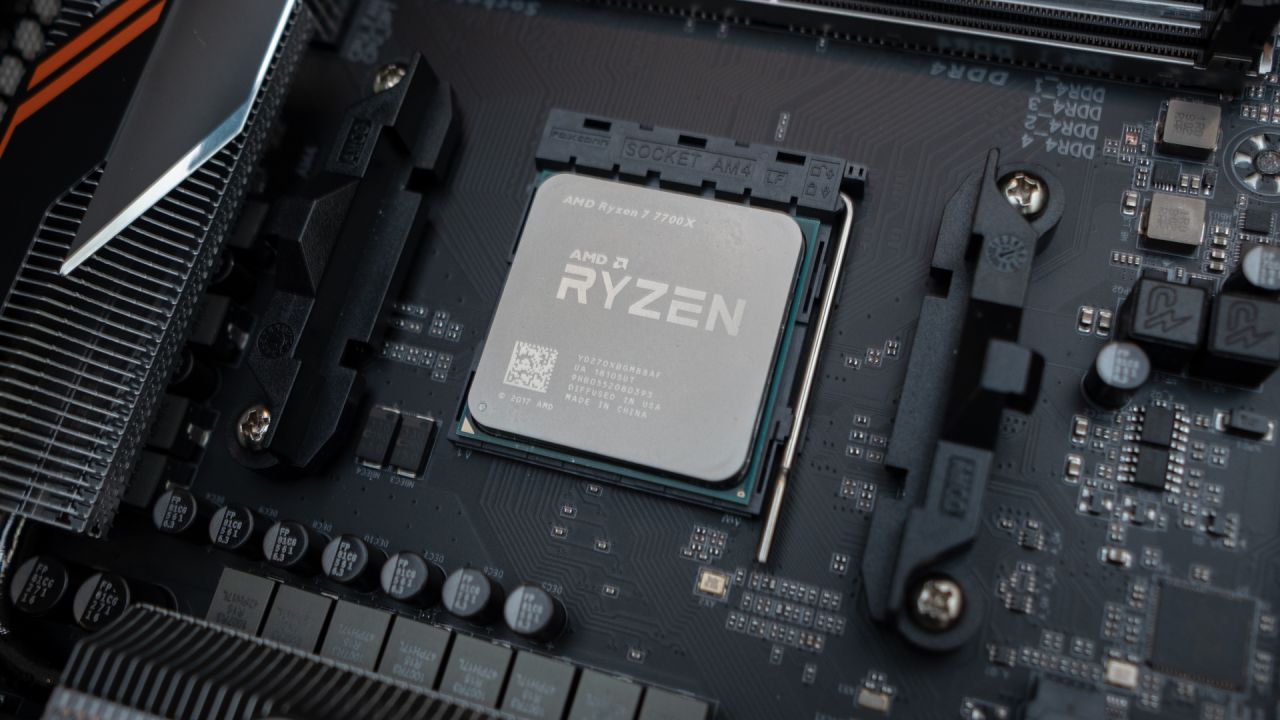
CPU-Z Confirms the Ryzen 7 7700X3D Configuration
The key development comes directly from the CPU-Z v2.20.1 release notes, which explicitly state that it supports the Ryzen 7 7700X3D. While this does not constitute a retail launch, it is a meaningful technical confirmation that the processor's hardware validation is now sufficient for mainstream system monitoring tools to officially recognize it.
More importantly, this update locks in the previously leaked configuration rather than leaving room for ambiguity.
The Ryzen 7 7700X3D is now effectively confirmed to feature an 8-core / 16-thread layout, placing it squarely within AMD's established Ryzen 7 gaming tier. It also carries a substantial 96 MB L3 Cache, aligning it with the defining characteristic of AMD's X3D lineup: massive stacked cache designed to reduce memory latency in gaming workloads.
Power characteristics also remain consistent with earlier leaks, with a 120W TDP positioning it above the ultra-efficient 7800X3D, but still within mainstream gaming CPU territory for AM5 builders.
Clock Speeds Signal a Deliberate Tier Separation Strategy
This is where the 7700X3D pulls away from its higher-end sister. Frequency behavior. The chip is expected to operate with a 4.0 GHz base clock and a 4.5 GHz boost clock, representing a noticeable step down from the Ryzen 7 7800X3D's higher boost targets.
It isn't a design compromise in the classic sense, but a segmentation approach.
It seems AMD is deliberately sacrificing peak clock speed to carve out a market segment, essentially manufacturing a performance tier beneath the flagship X3D gaming chip. The lower clocks help AMD maintain distinct pricing bands while preserving the core gaming advantage of the 96 MB L3 Cache configuration.
In practical terms, this places the 7700X3D as a "value X3D" processor rather than a flagship alternative.
.jpg)
Performance Reality: Cache Still Defines the Gaming Experience
Despite the reduced clock speeds, expectations for gaming performance remain firmly elevated. The defining advantage of AMD's X3D architecture is not raw frequency, but cache locality and reduced memory dependency.
The 7700X3D, with its 96 MB L3 Cache, should retain most of the gaming uplift seen in the X3D series, especially in CPU-bound titles and competitive esports workloads where latency sensitivity trumps clock-speed scaling.
In other words, while the 4.5 GHz Boost figure is a step down from the 7800X3D, it is unlikely to dramatically erode the real-world gaming positioning AMD has established with its 3D V-Cache stack. Instead, it reinforces the idea that AMD is prioritizing consistent frame delivery and 1% lows over raw peak frequency in this segment.
AMD's X3D Stack Expansion and the AM5 Budget Strategy
The Ryzen 7 7700X3D does not exist in isolation. This is part of AMD's broader strategy to rapidly expand its Zen 4 X3D family, which includes chips like the 7600X3D and 7500X3D to fill different price points in the gaming market.
This tiered strategy is particularly crucial for AM5's long-term positioning. With the addition of several X3D SKUs across the price spectrum, AMD is making AM5 a platform where gaming performance is no longer the domain of premium-tier CPUs.
The 7700X3D is also being marketed to the mid-range enthusiast segment, those who desire X3D-level gaming performance at a far lower cost than flagship silicon.
Editor, NoobFeed
Gaming Hardware Updates
No Data.