
AMD Zen 6 Leak: Olympic Ridge Trades Integrated Graphics for Dedicated NPU
AMD's Olympic Ridge design reportedly reallocates silicon resources from integrated graphics toward dedicated AI acceleration hardware.
Hardware by Masaru Hoshino on Jun 16, 2026
AMD's Ryzen desktop roadmap has rarely stood still, but the new leak involving the company's impending Zen 6 architecture could signal one of the most significant platform shifts in years. Recent reports suggest AMD's next-gen desktop processors, codenamed Olympic Ridge, could lose a feature that has quietly become a mainstay throughout contemporary Ryzen CPUs.
Instead, AMD is said to be dedicating precious silicon space to an NPU (Neural Processing Unit), a major strategic shift towards local AI acceleration. While the change makes sense as part of the industry's relentless push toward AI-enabled computing, it also raises new challenges for desktop fans accustomed to the convenience and flexibility of built-in graphics.
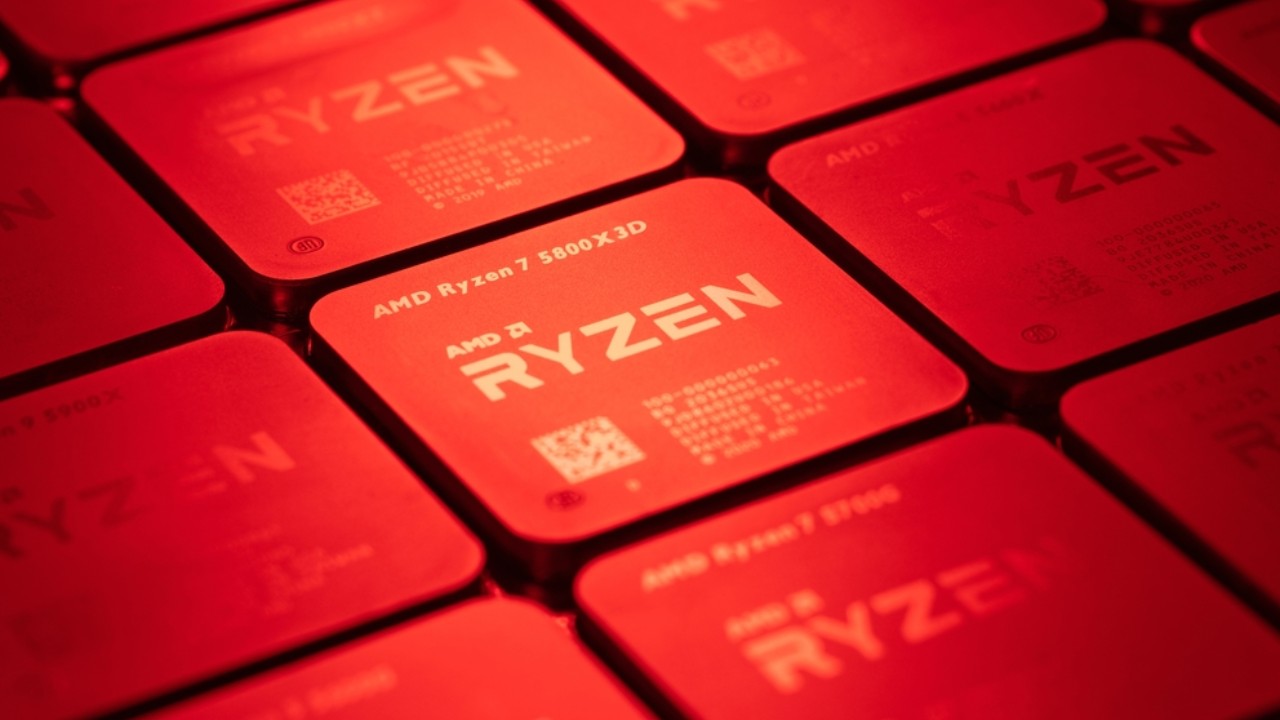
If the leaks prove accurate, AMD could be asking PC builders to trade a familiar troubleshooting tool for hardware designed to power the next generation of AI workloads.
The rumored change marks a notable departure from AMD's recent desktop philosophy.
When AMD launched Ryzen 7000 processors based on the Zen 4 architecture, the company added a lightweight RDNA-based graphics engine to the I/O die across the desktop lineup. Unlike the powerful graphics solutions found in dedicated APUs, these integrated graphics units were never intended for serious gaming. Their primary purpose was practicality.
The inclusion of basic graphics support enabled immediate display without a discrete GPU. More importantly, it provided an invaluable troubleshooting safety net. Builders could verify motherboard functionality, diagnose graphics card failures, update BIOS firmware, and recover from hardware issues without relying on a separate graphics solution.
That functionality continued into subsequent Ryzen generations and gradually became an expected part of the platform.
The leaked Olympic Ridge design appears ready to reverse that decision entirely. Rather than allocating die space to a minimal RDNA graphics block, AMD is reportedly removing the integrated GPU altogether. For desktop builders, that means a dedicated graphics card may once again become mandatory simply to reach the BIOS screen or install an operating system.
From a silicon efficiency perspective, the decision is understandable. Every square millimeter on a processor package is valuable, and AMD appears determined to redirect those resources toward technologies it believes will define the next decade of computing.
Whether consumers agree with that assessment remains another question entirely.
Why AMD Wants an NPU on Desktop
The answer largely comes down to artificial intelligence.
Across the industry, AI acceleration is rapidly becoming a baseline expectation rather than a premium feature. Microsoft's Copilot+ effort has been very much focused on dedicated AI processing hardware. Software developers are also increasingly focused on NPUs for local inference, language models, picture production, and productivity tasks.
This transition has already been made in mobile processors. Both AMD and Intel now ship laptop chips with increasingly powerful AI engines designed specifically for local machine learning tasks. Desktop systems, however, have remained somewhat behind in this area, largely relying on discrete GPUs for AI acceleration.
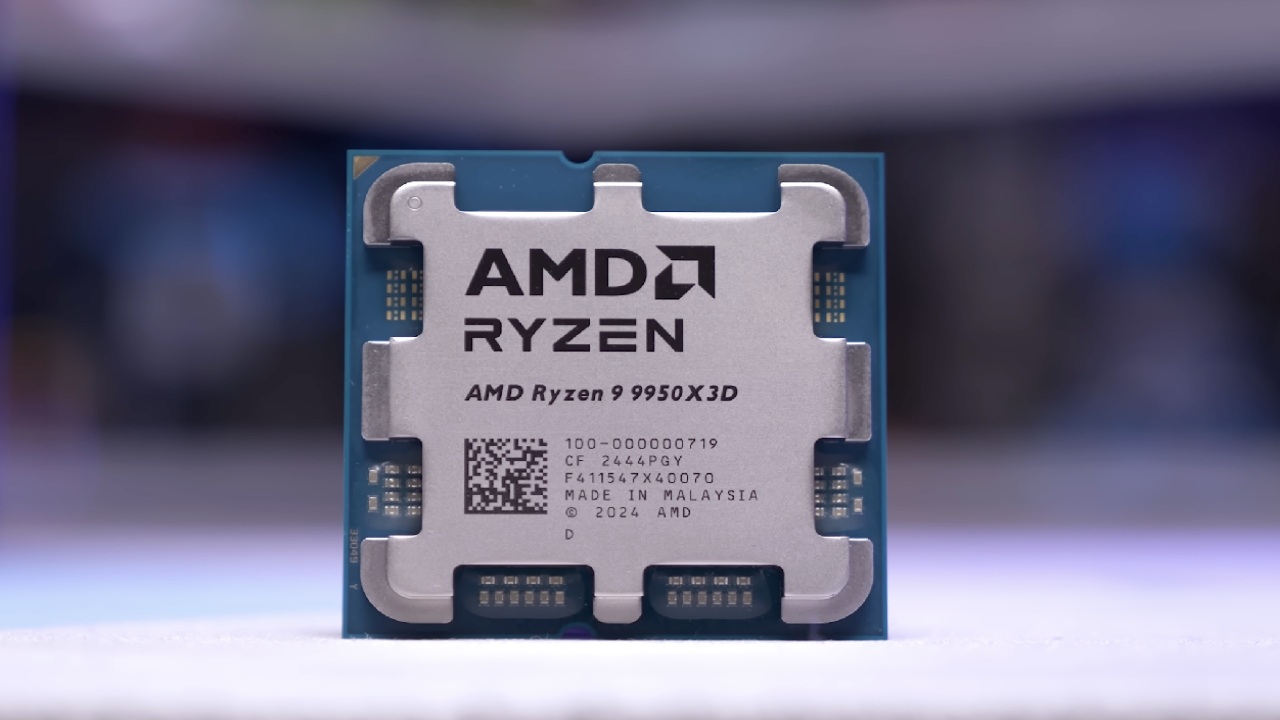
A dedicated NPU integrated directly into the processor package changes that equation.
Instead of transferring all AI workloads to a graphics card, the processor is getting dedicated hardware tailored for neural network operations. It can increase power efficiency and reduce latency, but also enable AI-driven functionality on systems without high-end GPUs.
For AMD, a mainstream desktop platform with an NPU also helps future-proof Ryzen for evolving software requirements. With more and more operating systems and applications designed to take advantage of dedicated AI hardware, AMD might have to make an NPU a must-have rather than a nice-to-have.
The problem is that desktop users care about different capabilities than laptop customers do.
While notebook users benefit from power-efficient AI acceleration, desktop fans have always placed greater emphasis on upgradeability, gaming performance, and troubleshooting flexibility. That disparity makes the loss of integrated graphics a potentially controversial trade-off.
Silicon Priorities are Changing
The disclosed design is a snapshot of a broader trend altering CPU development right now. For decades, desktop CPUs were primarily evaluated on core counts, clock speeds, and gaming performance. Semiconductor companies now spend transistor resources more often on customized accelerators.
AI engines, media accelerators, security processors, and heterogeneous computing blocks are consuming more of the available silicon real estate with each generation.
The reported Zen 6 architecture strategy suggests AMD believes dedicated AI acceleration will deliver more long-term value than maintaining a basic graphics engine that many enthusiasts rarely use after system assembly.
From an engineering standpoint, the argument has merit. Most gaming systems already include a discrete graphics card, meaning the integrated GPU often sits idle throughout the processor's lifespan.
However, that logic overlooks the practical advantages that builders have come to appreciate. The ability to diagnose a failed GPU, perform emergency maintenance, or complete an initial system build without dedicated graphics has become a surprisingly important quality-of-life feature.
Removing it may save die space, but it also removes a layer of convenience that many users only realize they need when something goes wrong.
What This Means for DIY PC Builders
If Olympic Ridge launches without integrated graphics, system planning becomes slightly less forgiving.
Every desktop build would require dedicated graphics hardware from day one. That option would no longer be available to budget-conscious users who had been using integrated graphics while they waited for GPU prices to fall. Users that constantly swap out components or test gear would have a tougher time troubleshooting operations.
On the other hand, users who already run discrete graphics cards may see little downside if AMD successfully converts those silicon savings into stronger CPU performance or more capable AI acceleration.
The ultimate value proposition will depend on execution.
If the dedicated NPU offers tangible real-world improvements and enables new desktop experiences, many users may find the trade-off worth it. Critics could also argue that if AI workloads are going to remain specialized for mainstream users, AMD sacrificed a feature that could be useful to everyone for tech that only a small percentage of purchasers actually use.
Editor, NoobFeed
Gaming Hardware Updates
No Data.