
AMD FSR 4.1 Arrives on ASUS ROG Ally Handhelds
AMD FSR 4.1 arrives on supported ASUS ROG Ally handhelds with improved image quality, frame generation, and expanded game compatibility.
Handheld by Nahe Yan on Oct 25, 2026
AMD FSR 4.1 has arrived on supported ASUS ROG Ally handhelds, bringing an updated upscaling option designed to improve image quality and gaming performance. The technology uses neural networks and machine learning to reconstruct visuals from lower-resolution frames, helping games look sharper while maintaining playable frame rates.
The preview update adds support for selected handheld models, with more devices expected in future driver updates. The new FSR 4.1 preview update, released on October 23, supports two handheld models. These are the Xbox Ally X and the Xbox Ally X 20.
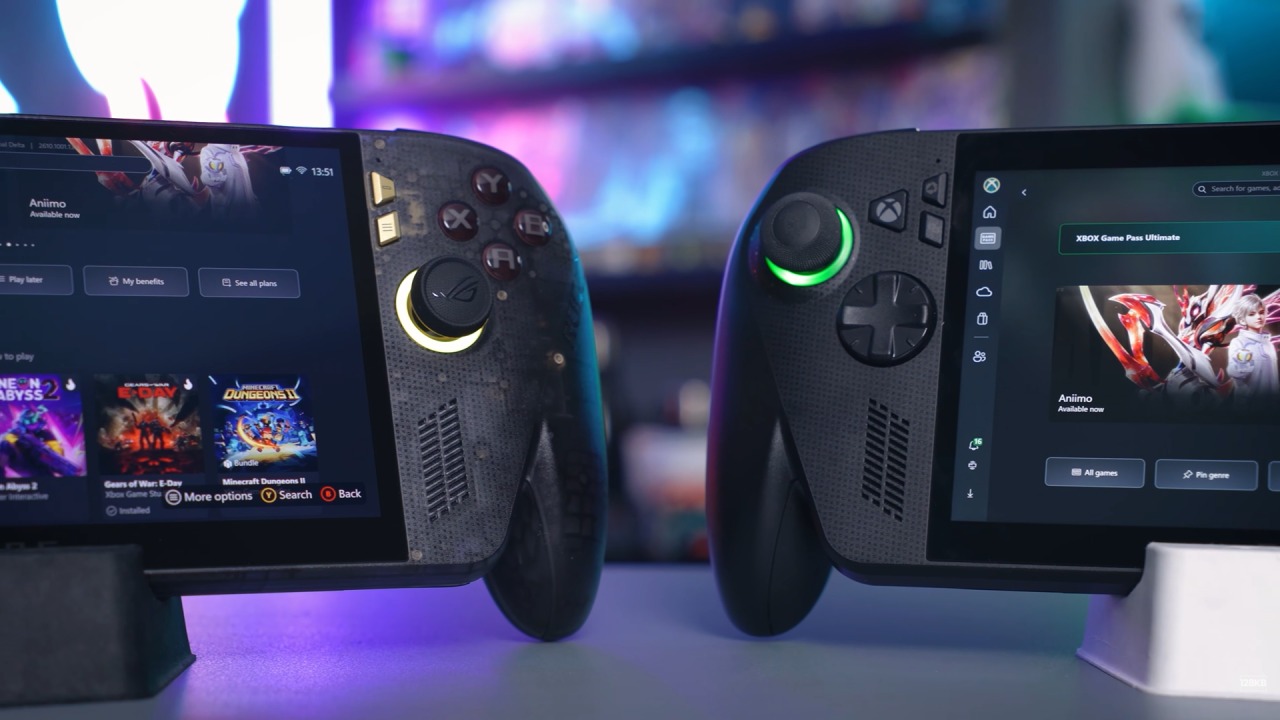
AMD FSR 4.1 Support Arrives on Selected Ally Handhelds
However, the original white ROG Ally and the ROG Ally X, both of which use the older Z1 Extreme chip, have not been confirmed to receive FSR 4.1 support. We can hope that support arrives for these devices at some point in 2027, but there is no confirmation yet. The second key point is that FSR 4.1 is currently available in preview.
It may not work perfectly and could contain bugs or stability issues. Once the feature leaves beta, the stable version should roll out automatically through the main stable update channel in Armory Crate. The third point is that we should provide ASUS with feedback on any bugs or issues we experience while using the preview.
The more feedback we provide, the easier it should be for ASUS to address problems and prepare the official stable release with fewer issues. The fourth key aspect is that FSR 4.1 is AMD's latest upscaling technology, and we should use it instead of other solutions when it provides better results. For example, we should avoid combining FSR 4.1 with technologies such as Lossless Scaling or Radeon Super Resolution.
Running multiple upscaling technologies at once can cause severe visual artifacts and other issues. We should disable these features before enabling FSR 4.1. This is also an important step in our handheld optimization process. The AMD software includes several graphics options, so checking for conflicts is necessary to get the expected results from FSR 4.1.
More Than 400 Games Support FSR 4.1
The fifth aspect is that FSR 4.1 does not work with every game. It is available only in supported titles, although AMD's official compatibility list already includes more than 400 games. Many of these are graphically demanding AAA games that can struggle on PC gaming handhelds such as the Ally.
Supported titles include Call of Duty: Modern Warfare 4, Gears of War: E-Day, the Silent Hill games, the Spider-Man games, ARC Raiders, Hogwarts Legacy, Resident Evil Requiem, and Crimson Desert. Crimson Desert is another game expected to benefit from FSR 4.1, especially given the performance challenges it can present on the Ally.
With support for these titles and many others, the technology gives us more options to improve the gaming experience on compatible handhelds. The sixth point is that the new FSR 4.1 preview also works with older games that support the previous FSR 3.1 version. This expands the number of games that can use the updated technology, making the feature more useful across the existing game library.
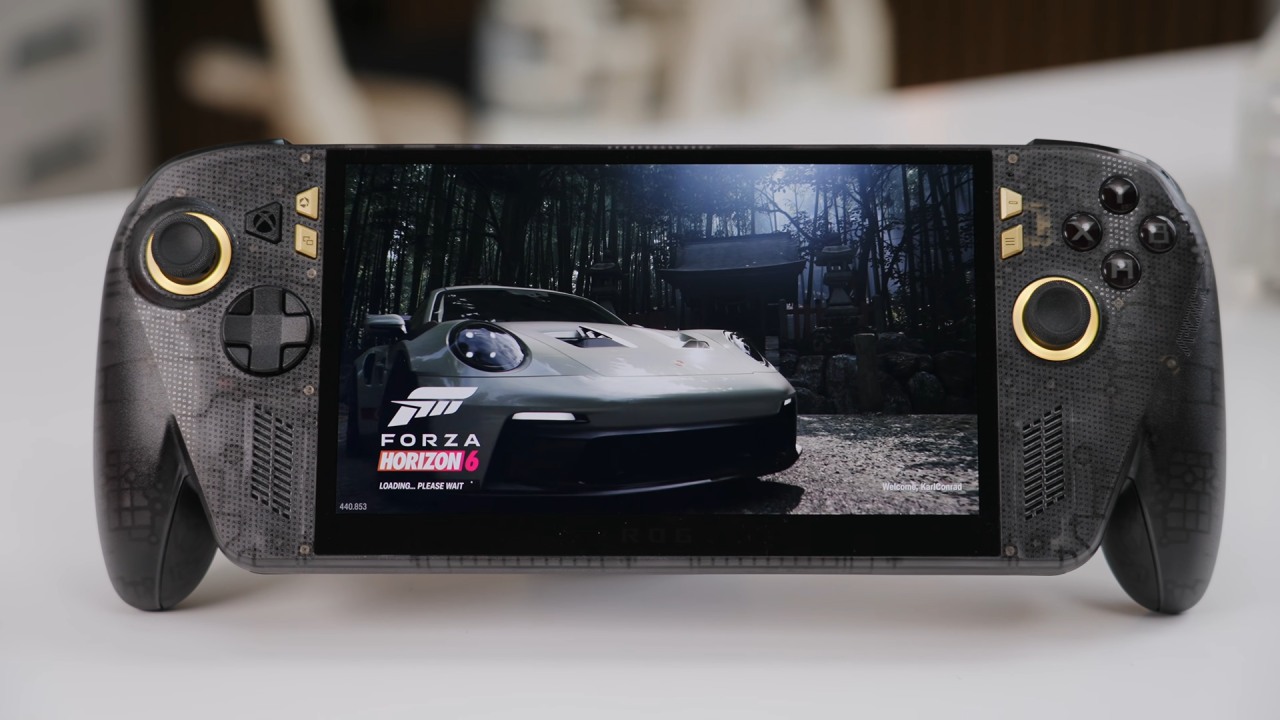
The 8th and final aspect is the improvement over earlier upscaling technologies such as FSR 3.
While FSR 3 can deliver reasonable results, its output can sometimes make images appear soft. FSR 4.1 uses neural networks and machine learning to reconstruct visuals from lower-resolution frames. This can improve image clarity while boosting gaming performance. With the key points covered, we can move on to installing the preview driver and enabling FSR 4.1 in supported games.
FSR 4.1 is an important addition for Ally owners because competition in the PC handheld market continues to grow. Intel's Arc G3 chip has also been delivering performance results that put pressure on existing handheld platforms. Access to AMD's updated upscaling technology gives compatible Ally handhelds another way to improve image quality and gaming performance.
This support can help narrow the gap in the handheld gaming market, particularly in titles that demand more graphical performance. Although the current preview has limitations, the combination of improved image reconstruction, support for FSR 3.1-compatible games, and frame generation makes it worth testing on supported devices.
Editor, NoobFeed
Latest Articles
No Data.