
RTX 5070 vs. RTX 4090: Can DLSS 4 and Multi-Frame Generation Close the Gap?
NVIDIA’s new AI-driven frame generation technology significantly narrows the performance gap between the RTX 5070 and 4090.
Hardware by Tanvir Kabbo on Oct 01, 2025
At CES 2025, Nvidia's CEO Jensen Huang made the now-famous assertion that the RTX 5070 performs at the same level as the RTX 4090 during the launch event for the Nvidia 50 series GPUs. The comment caused a lot of excitement, especially because the RTX 5070 cost $549. Many people who owned RTX 4090 cards sold them in anticipation of the RTX 5080.
However, with no real benchmark data to support the claim, the statement was viewed as pure marketing hype. The real question is: does it actually hold?
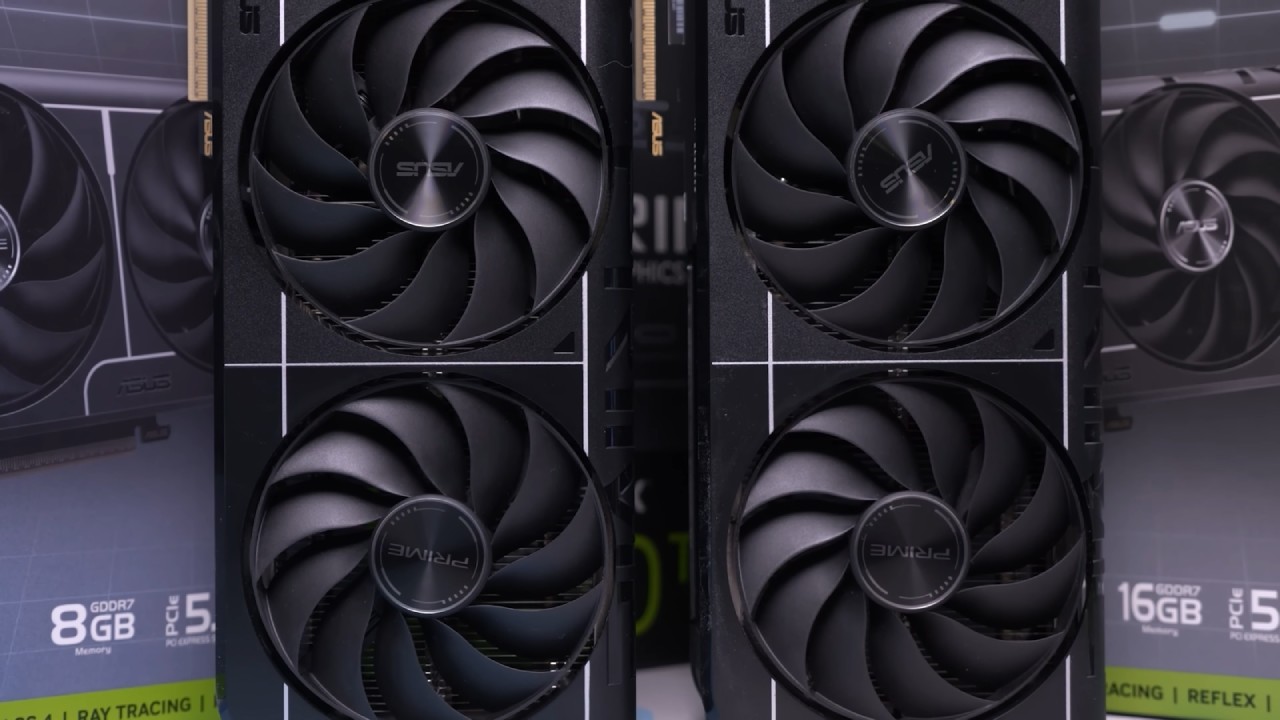
Understanding DLSS and Frame Generation
Nvidia first introduced AI-driven upscaling technology, called Deep Learning Super Sampling (DLSS), with the GeForce 20 series in 2018. DLSS is a suite of AI-powered image enhancement and upscaling techniques designed to boost frame rates while maintaining image fidelity.
The idea is simple: render frames at a lower resolution and then upscale them to higher resolutions using deep learning.
For example, with DLSS enabled, a game could be rendered at 1080p and then upscaled to 4K, delivering 4K-like visuals while maintaining the performance of 1080p rendering.
In 2022, Nvidia expanded DLSS with Frame Generation (FG) on the RTX 40 series. This technology creates entirely new frames between game-engine rendered frames, similar to AI-based interpolation.
While some label these frames "fake," they are still based on real rendered frames and cannot introduce or remove objects on screen. The main drawback of traditional FG is the added latency since the GPU must wait for the next frame before generating an interpolated one.
With the RTX 50 series, Nvidia introduced Multi-Frame Generation (MFG). Unlike traditional FG, MFG predicts future frames using AI extrapolation. This means that multiple frames are created from a single rendered frame, significantly reducing latency.
Nvidia claims the new AI model is 40% faster and uses 30% less VRAM. The trade-off is that in highly dynamic scenes, prediction errors can lead to visual glitches.
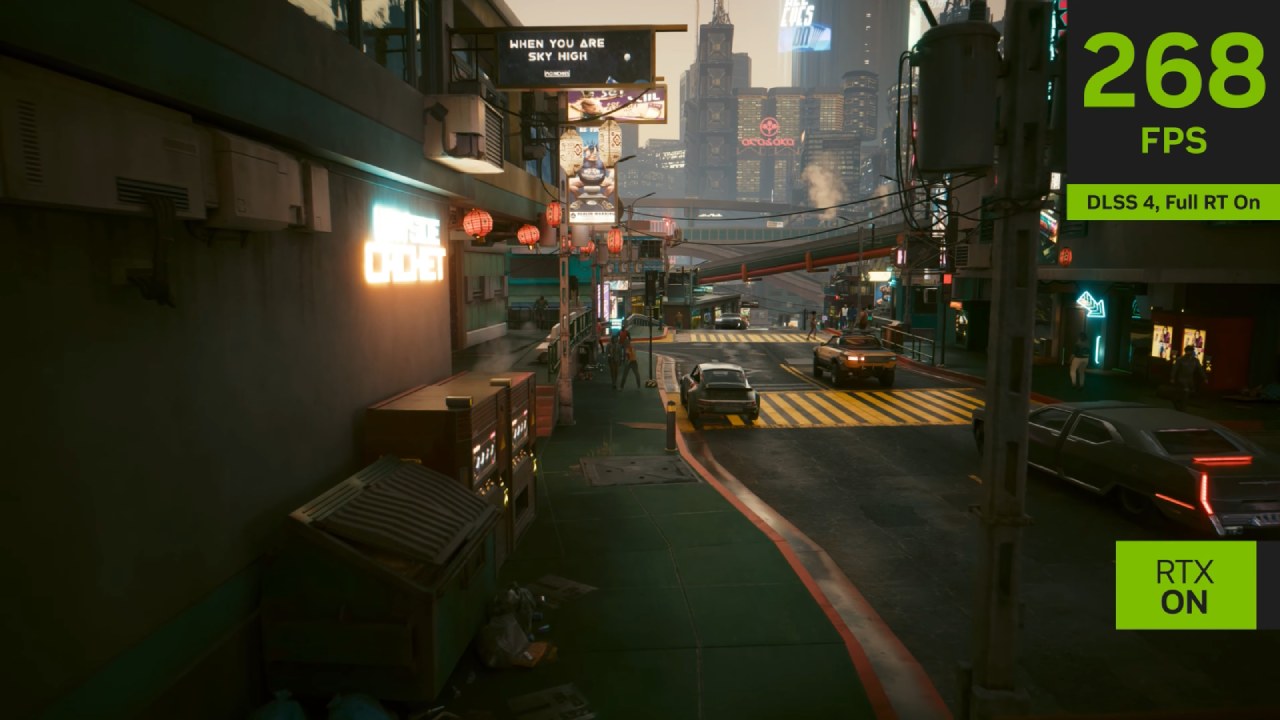
Testing Setup
To put these claims to the test, we looked at two games that fully support the latest DLSS features: Black Myth Wukong and Cyberpunk 2077. The test bench consisted of a Ryzen 7 9800X3D, an ROG Crosshair X870 Apex motherboard, and G.Skill Trident Z5 Royal Neo DDR5-8000 RAM.
For GPUs, Nvidia's Founders Edition versions of the RTX 5070 and RTX 4090 were used to avoid bias from factory overclocks.
Black Myth Wukong Results
At 4K cinematic settings, the RTX 4090 was about 72% faster than the RTX 5070. After overclocking the RTX 5070, this gap narrowed to 52%, but the 4090 still held a commanding lead.
Enabling 2x Frame Generation on the RTX 5070 changed the story. Performance reached a level where the 5070 actually surpassed the stock RTX 4090 by approximately 7%. However, once frame generation was enabled on the RTX 4090 as well, it regained the lead, proving its superior raw power.
Cyberpunk 2077 Results
At 4K RT Ultra settings, the RTX 4090 performed approximately 83% better than the RTX 5070 in its stock configuration. With overclocking, the 5070 reduced the gap to 62%.
Once frame generation was enabled, the RTX 5070 achieved a 13% improvement over the stock RTX 4090. Taking things further with multi-frame generation on the overclocked RTX 5070, performance actually surpassed the stock RTX 4090 by 6%. However, overclocking the 4090 closed this gap again, placing it back on top.
The Reality Behind Nvidia's Claim
Does the RTX 5070 deliver 4090 levels of performance? The answer is yes, but only under very specific circumstances. When using DLSS 4 with frame generation or multi-frame generation enabled, the RTX 5070 can match or even slightly surpass the 4090 in certain titles. However, in raw rasterized performance or without these AI-based enhancements, the RTX 4090 remains significantly faster across the board.
Nvidia's CEO was not technically lying, but the statement was highly misleading. Without the context of DLSS 4 and frame generation, the RTX 5070 is significantly underperforming compared to the 4090.
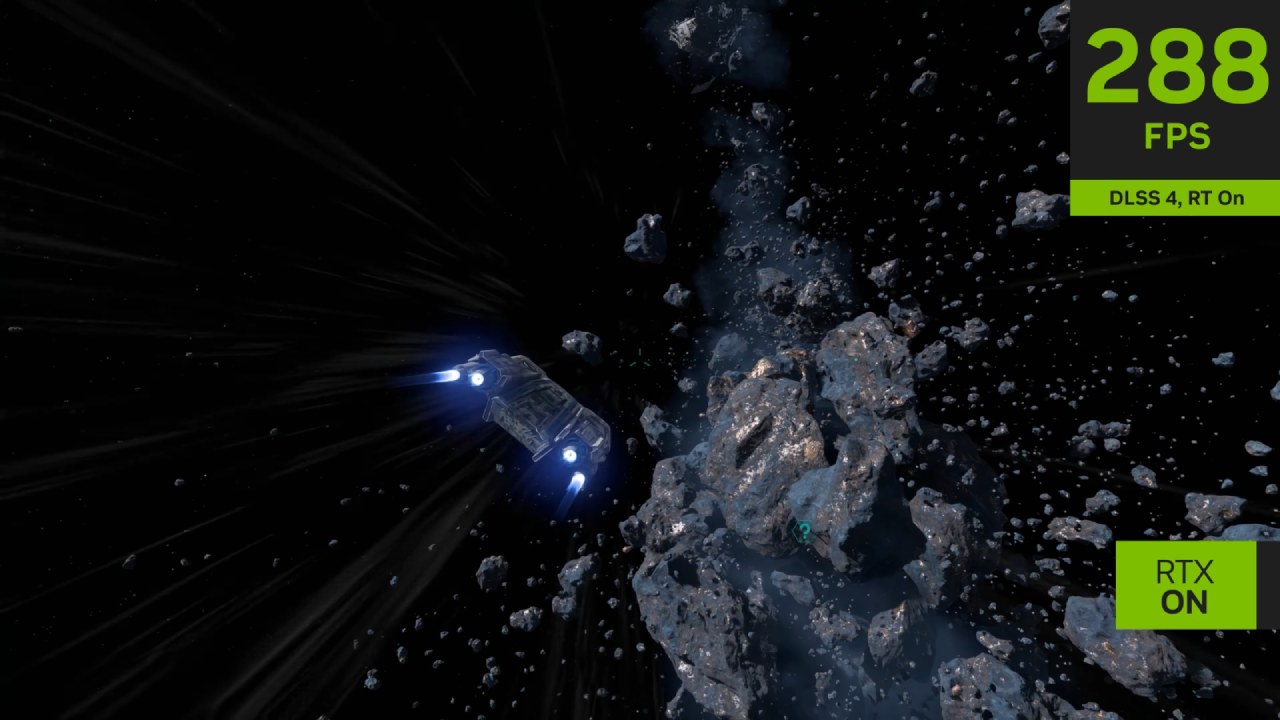
Should You Use Multi-Frame Generation?
If you primarily play single-player titles like Cyberpunk 2077 or Black Myth Wukong, multi-frame generation is an excellent feature. You'll enjoy higher fps, smoother gameplay, and visuals that rival much more expensive hardware. However, keep in mind that in fast-paced multiplayer environments, prediction-based frames can sometimes cause visual inconsistencies.
Final Thoughts
The RTX 5070 does not match the RTX 4090 in raw power natively. What it does achieve is 4090-like performance, thanks to the help of DLSS 4 and frame generation technologies. The way Nvidia marketed this innovation was misleading, which unfortunately tainted what is otherwise an incredible advancement in GPU technology.
When used in the right scenarios, MFG makes the RTX 5070 a highly compelling card at its price point, but it doesn't truly replace the raw horsepower of the 4090.
Check Our Other Articles:
- GeForce RTX 5090 Unleashed: Is NVIDIA's New Flagship the Ultimate 4K Gaming GPU?
- NVIDIA GeForce RTX 5080 Review (2025): Still A 4K Gaming Powerhouse?
- RTX 5090 Performance Testing In GTA 5 – 1080p, 1440p, and 4K Max Settings Benchmark
- NVIDIA RTX 5070 Review: Mid-Range Muscle or Marketing Hype?
- RTX 5070 Ti Review: Performance, Thermals & Power Efficiency Tested
- ASUS ROG Astral RTX 5090 OC Edition Review: 32GB GDDR7 & 4K Gaming Benchmark
- ASUS GeForce RTX 5090 LC Liquid Cooled GPU Review: Unmatched Silence & Speed
- MSI GeForce RTX 5090 32GB SUPRIM SOC Review: Power Efficiency, Cooling, and Gaming Performance
- INNO3D RTX 5060 Ti 16 GB X2 Review: Gaming Benchmarks, Temps, and Power Efficiency
- HP Omen 45L Review: RTX 5090 Performance, Thermals, and Value Analysis
- ASUS Prime RTX 5060 Ti OC 16GB Review: DLSS 4, Ray Tracing, & Thermals Tested
- NVIDIA GeForce RTX 5060 Review: Specs, Gaming, and Cost per Frame
- MSI GeForce RTX 5090 GAMING TRIO OC Review: A Monster Power GPU
Senior Editor, NoobFeed
Gaming Hardware Updates
No Data.