
Intel Nova Lake-S Flagship Leak Reveals 296W PL1 Power Target
Intel’s 28-core Nova Lake-S flagship reportedly pushes power consumption toward 300W while introducing BLLC cache technology.
Hardware by Tanvir Kabbo on Aug 22, 2026
Much of the speculation about Intel's next desktop platform has focused on architectural improvements, higher core counts, and new cache technologies. But a new leak about Intel's 28-core flagship Nova Lake-S CPU is shifting the focus back to a familiar topic: power consumption.
Newly leaked testing data suggests Intel's next enthusiast desktop CPU can sustain 296W PL1 under intense multi-threaded workloads. That number is impressive in itself, especially given the processor's published 125W TDP. That means there's quite a difference between the power number that AMD wants to show and the real-world performance under maximum load.
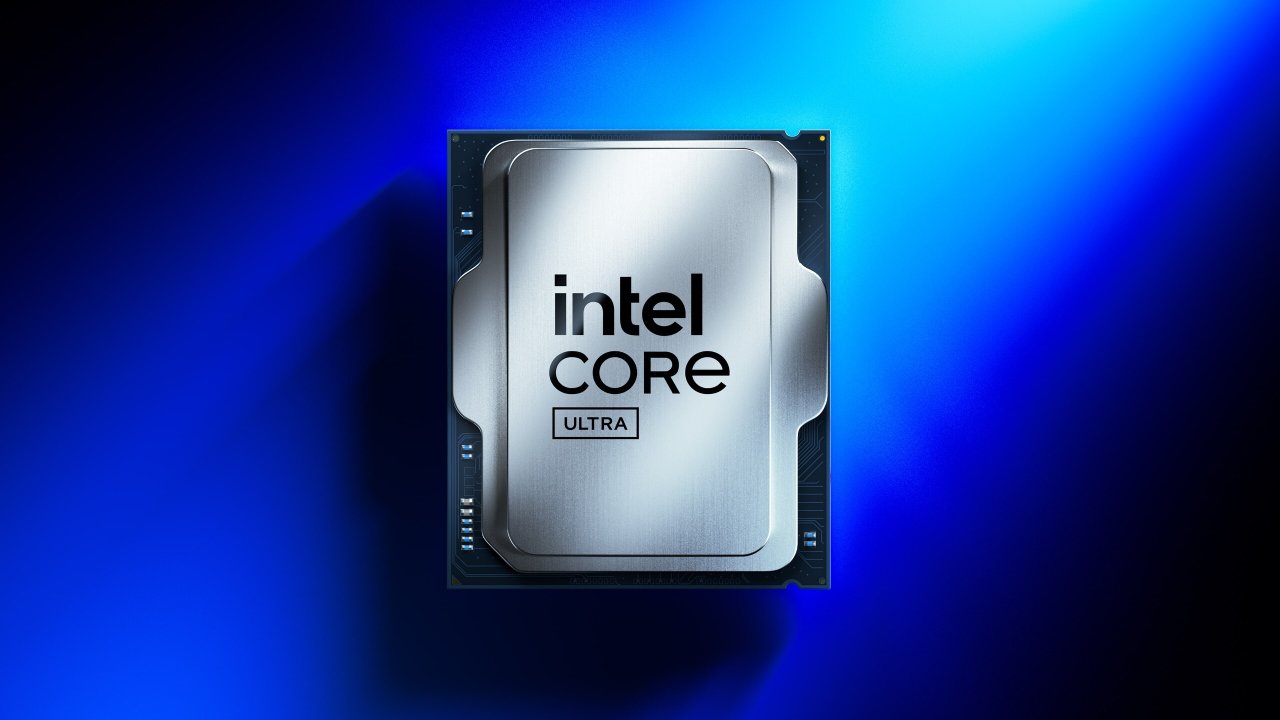
The latest Nova Lake-S data suggests Intel may be prioritizing speed over power efficiency in the desktop category once again. However, enthusiasts have grown accustomed to modern flagship CPUs exceeding their rated TDP.
The 296W PL1 Figure Reveals the Real Thermal Story
For many PC builders, the most important number on a CPU spec sheet isn't necessarily the advertised TDP. Instead, it is the sustained power level the processor can maintain when all cores are active and operating at maximum performance. That is where the leaked 296W PL1 figure becomes significant.
Historically, Intel's TDP number serves as a baseline thermal guideline, not a hard predictor of peak power usage. A processor carrying a 125W TDP label can still draw substantially more power once motherboard vendors unlock default power limits or when Intel's boosting algorithms aggressively pursue higher frequencies.
In the case of the rumored 28-core Nova Lake-S, the reported 296W PL1 puts the chip at nearly 2.4 times its rated thermal design power for desktop enthusiasts, which effectively moves it into territory normally associated with workstation-class cooling requirements.
The implication is straightforward. Intel appears determined to extract every ounce of performance from its next-generation architecture, even if it requires dramatically higher power delivery. Such a strategy can deliver impressive benchmark numbers, particularly in rendering, simulation, content creation, and heavily threaded productivity workloads. However, the efficiency equation gets far more complex when it must dissipate nearly 300 watts continuously.
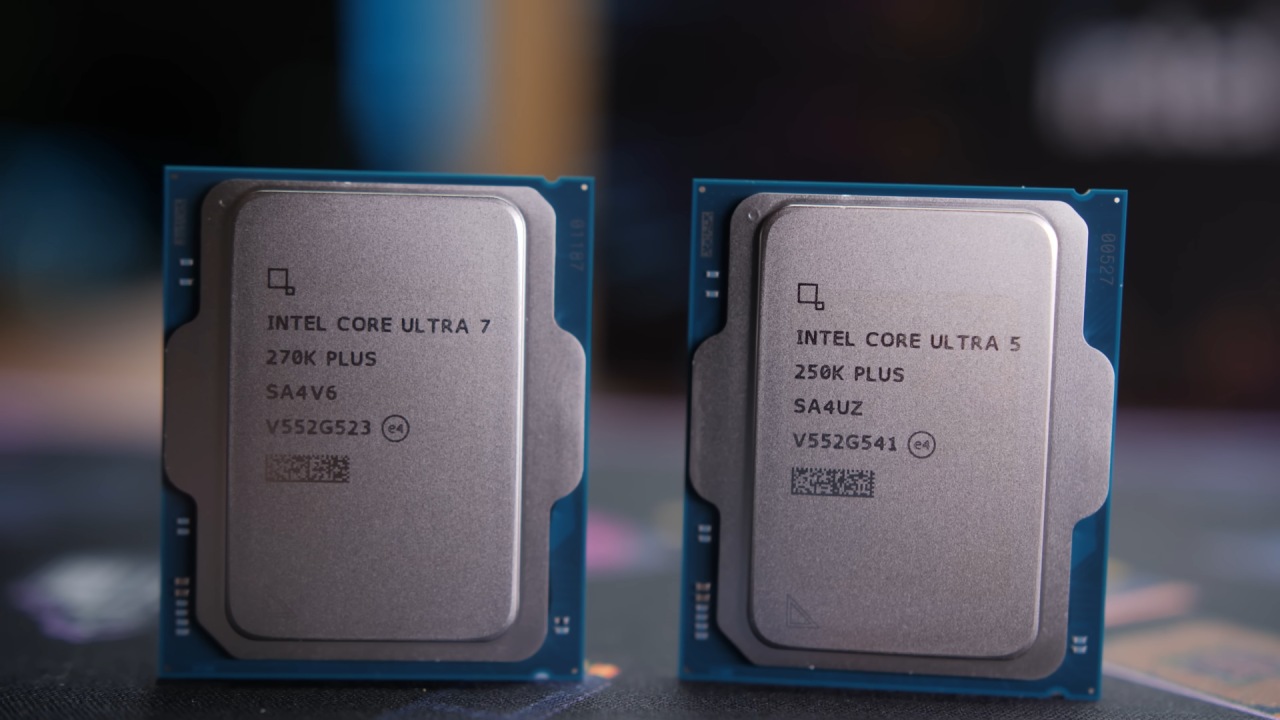
Why the 28-Core Nova Lake-S Is So Demanding
Core count alone does not fully explain the processor's power requirements. The flagship Nova Lake-S configuration reportedly combines Intel's next-generation CPU architecture with a substantial cache innovation known as Base-Level L4 Cache (BLLC). Unlike traditional cache structures embedded directly within the compute die, this additional cache layer is integrated onto the package itself.
The goal is clear. Larger cache pools can significantly reduce memory latency while improving effective bandwidth for applications that repeatedly access huge datasets. Applications involving gaming, AI inference, content creation, scientific simulations, and data-heavy productivity tasks can all benefit from faster access to frequently used information. Yet cache capacity is not free.
Feeding, managing, and clocking a dedicated BLLC tile introduces additional power requirements. More importantly, it creates another concentrated heat source sitting alongside a densely packed collection of high-frequency CPU cores.
As transistor density increases and cache structures grow larger, thermal management becomes increasingly difficult. The challenge is no longer simply generating heat—it is moving that heat away quickly enough to maintain boost frequencies.
That makes the leaked power figures particularly believable. A processor attempting to sustain high clocks across 28 cores while simultaneously leveraging a large on-package cache subsystem would naturally face substantial thermal overhead.
BLLC Could Be a Major Performance Advantage
From a purely architectural perspective, Intel's decision to implement Base-Level L4 Cache (BLLC) is intriguing. AMD has shown the value of improved cache technology with its X3D CPUs, where increased cache can dramatically boost gaming performance while improving task responsiveness. Intel's BLLC concept appears to aim for comparable gains through a different implementation.
If successful, the cache layer could alleviate memory bottlenecks and enable the CPU to sustain higher effective throughput across a wide range of workloads. The question is whether the performance advantage is linearly scaled with the corresponding power penalty.
A processor that draws around 300 watts has to deliver serious real-world gains to justify its thermal footprint. Performance-per-watt numbers are becoming more important for enthusiasts, not just test scores. However, if Nova Lake-S delivers substantial IPC gains, plus the cache advantage, then the power consumption could be a fair trade-off. If gains are more modest, questions about efficiency will inevitably follow.
.jpg)
Cooling and Motherboard Requirements Will Not Be Optional
For prospective builders, the leak's most immediate takeaway is that cooling cannot be an afterthought. A constant 296W PL1 load can effectively eliminate most cheap air coolers and entry-level liquid-cooling systems. With heavy workloads, you will probably need a high-end 360mm or perhaps 420mm AIO liquid cooler to keep temperatures stable.
That's where motherboard selection becomes just as crucial. The constant output of over 300 watts places a heavy load on the voltage regulation devices. High-end Nova Lake-S systems will likely require beefy VRM designs, large heatsinks, and high-quality power-delivery components to avoid thermal saturation under sustained workloads.
This has a knock-on effect on total platform cost. Buyers aren't just buying a flagship CPU; they're investing in the cooling infrastructure and motherboard ecosystem needed to unlock its full performance potential.
Senior Editor, NoobFeed
Gaming Hardware Updates
No Data.