
Steam Deck 2 Specs Leak With AMD Gainsborough and RDNA 5 Graphics
Leaked AMD hardware suggests Valve could deliver a major Steam Deck 2 performance upgrade for demanding modern games.
Handheld by Tanvir Kabbo on Oct 08, 2026
Valve's Steam Deck has been one of the most important handheld gaming PCs of the modern era, but its hardware is starting to show its age as newer, more demanding games arrive.
With Valve expected to eventually introduce a successor, recent leaks about an unreleased AMD APU offer a glimpse of what the Steam Deck 2 could bring, including its architecture, performance, power profile, pricing, and potential release window.
.jpg)
Steam Deck 2 Could Use AMD Gainsborough
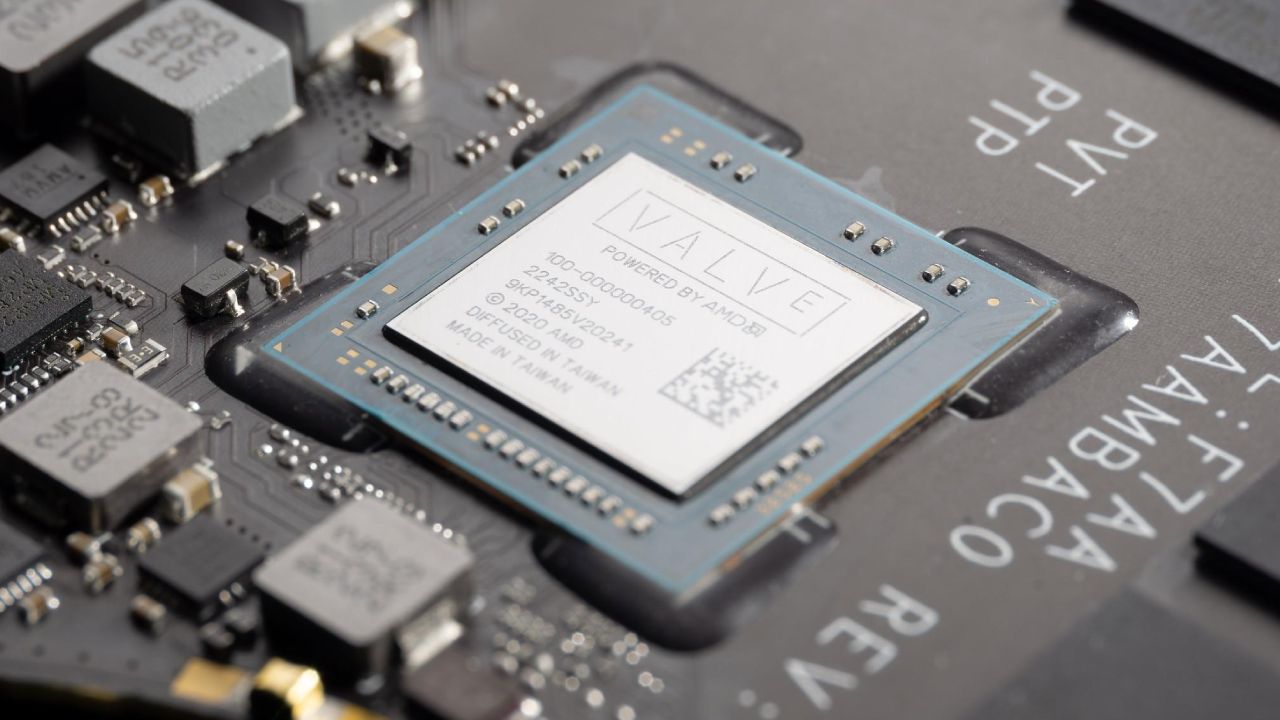
Late last week, major news about the Steam Deck 2 emerged, specifically about its potential chip. According to recent leaks, an unreleased AMD APU code-named Gainsborough has appeared in AMD drivers. The chip is reportedly a semicustom 3nm design and is associated with its own package, suggesting that it may not simply be another mainstream Ryzen APU.
The naming also fits Valve's previous approach. The original Steam Deck used a custom AMD chip, and Valve later worked with AMD on an updated version for the Steam Deck OLED. After the Steam Deck's success, AMD has increasingly dominated the handheld PC gaming market, so it makes sense that it could eventually design more streamlined chips specifically for handheld devices.
Possible Zen 6 and RDNA 5 Specifications
Moore's Law is Dead speculates that Gainsborough could use between four and eight Zen 6C or similar power-efficient CPU cores, alongside 12 to 24 RDNA 5 compute units. On paper, that is a lot to take in, but the biggest change could come from the graphics architecture.
An RDNA 5-based design could give the Steam Deck 2 significantly better ray-tracing capabilities while also supporting newer versions of AMD's upscaling technology. The current Steam Deck cannot really take full advantage of FSR4, and ray tracing remains a major limitation. With newer games increasingly adopting these technologies, Valve may want its next handheld to be ready for them.
Performance Could Be Two to Three Times Faster
The Fox has discussed the leak in more depth, particularly the possibility that Valve will use an RDNA design to bring newer architectural features to a low-power handheld chip. The idea is that the Steam Deck 2 could still benefit from technologies such as FSR 4, although ray tracing would remain a significant limitation.
Testing with an ROG Ally suggests clock speed will matter. Only when the chip is clocked higher can demanding games such as Gears of War E-Day reach around 30fps. That could technically make the Steam Deck 2 roughly twice as powerful as the original Steam Deck in some situations.
Overall, the leaked specifications suggest a two- to three-times performance improvement, particularly in older games. 1080p performance could also be promising, although the final results will depend heavily on power limits, cooling, and game optimization.
Valve Should Not Rely Too Heavily on Frame Generation
Valve has always cared more about producing a balanced portable than one focused on sheer performance, and it looks like the Steam Deck 2 will take a similar approach. But there is a concern that Valve would lean too heavily on FSR, upscaling, and frame generation to achieve higher frame rates.
We have seen frame generation become increasingly common in modern games, but it isn't a solution for genuinely low performance or poorly optimized games. Lossless Scaling has already helped extend the Steam Deck's useful life, but frame generation should not replace stronger hardware.
A better approach would be to provide substantially more raw compute power. A more powerful Steam Deck could offer better performance without depending so heavily on AI-based reconstruction and frame generation.
Docked Performance Could Be Important
Another major question is whether docking the Steam Deck 2 could let it run at a higher power level. Valve is reportedly still targeting around 15W because battery life remains important, but better cooling could give the device more flexibility.
The original Steam Deck would benefit from higher clock speeds and more wattage, but its cooling solution limits how far it can be pushed. A Steam Deck 2 with better thermals, a larger heatsink, or a more capable cooling system could potentially operate more aggressively when connected to a display.
Ideally, the device could offer a higher-performance mode while docked, similar to the approach used by modern console-style handhelds.
Steam Deck 2 Could Be Very Expensive
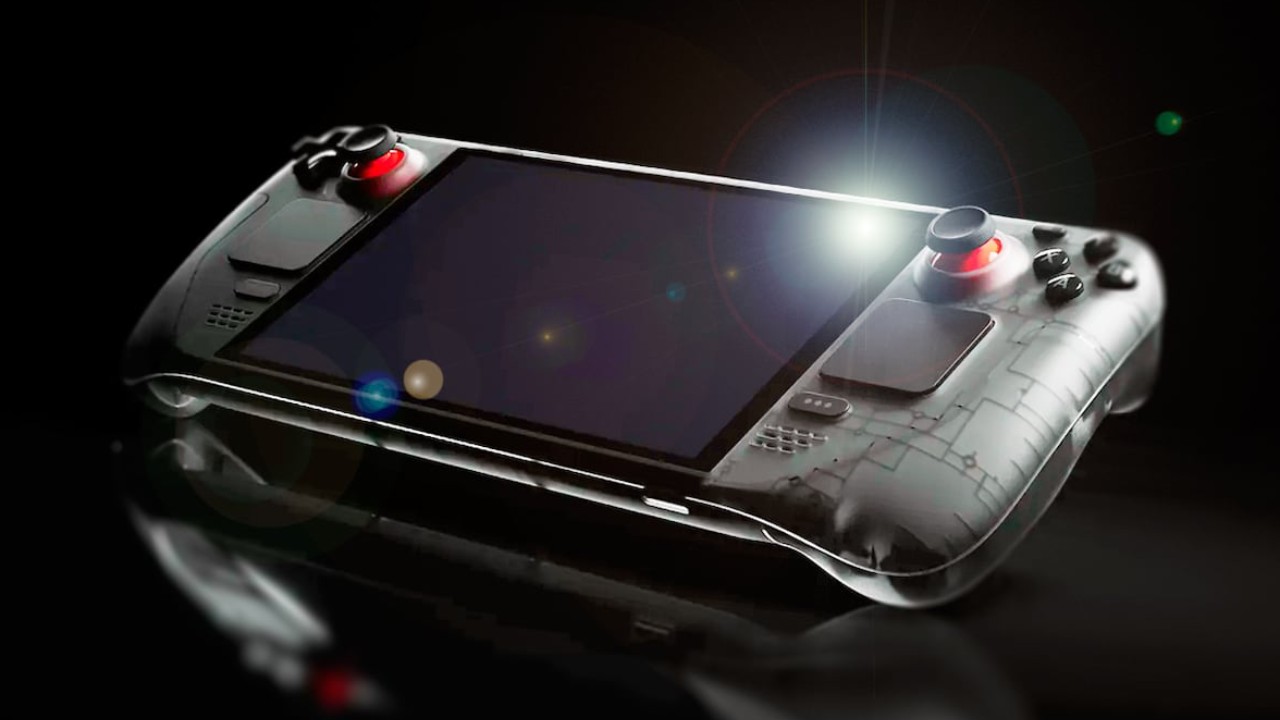
Pricing may ultimately become the biggest problem. With newer hardware, more RAM, additional storage, an OLED display, and potentially more VRAM, the Steam Deck 2 would naturally cost more to produce.
If it uses similar tech to the the latest high-end portable chips,, then a price of $1,400 or more is possible is possible. That would be well above the original Steam Deck's regular pricing range and could be hard to beat.
Valve also cannot simply rely on Steam game sales to subsidize the hardware. The Steam Deck is still a PC, meaning users can install games from GOG, use their own files, or access software outside Steam. Valve therefore cannot guarantee that every hardware buyer will remain inside its ecosystem.
Steam Deck 2 Has a Difficult Road Ahead
The Steam Deck 2 still has plenty of potential, but the leaked specifications are not necessarily as exciting as expected. Valve now faces a handheld PC market filled with competing devices and configurations, so the successor must be both competitive and compelling.
A two- to three-fold performance improvement would certainly help, but relying heavily on frame generation, AI upscaling, and ray tracing may not be enough. A more powerful Steam Deck with substantially greater raw compute performance would be far more appealing, even if that meant a louder fan, a larger battery, and a higher price.
Valve's philosophy has always been to create a device that does many things well rather than specialize in one area. Whether the Steam Deck 2 follows that same philosophy or finally delivers the raw performance upgrade many users want remains one of the biggest questions surrounding Valve's next handheld.
Senior Editor, NoobFeed
Latest Articles
No Data.