
Crossfire is Bringing Back the Tactical Gameplay Many Shooters have Abandoned
Summer Game Fest’s newest reveal is all about tension, smart choices, and grounded combat, not non-stop action.
News by Tahmid Mahi on Jun 06, 2026
Crossfire is one of those games that can totally change your expectations once you see it in action. At first glance, you might think the game is just another military shooter; however, looking deeper, you can see that the developers are going for something very different. Crossfire doesn't seem to be about high-octane action and constant explosions.
Rather, it's about building tension, promoting thoughtful decision-making, and making every encounter feel unpredictable. Every firefight appears designed to challenge your ability to adapt as conditions on the battlefield change. Success is often about how well you can adapt when the pressure is on.
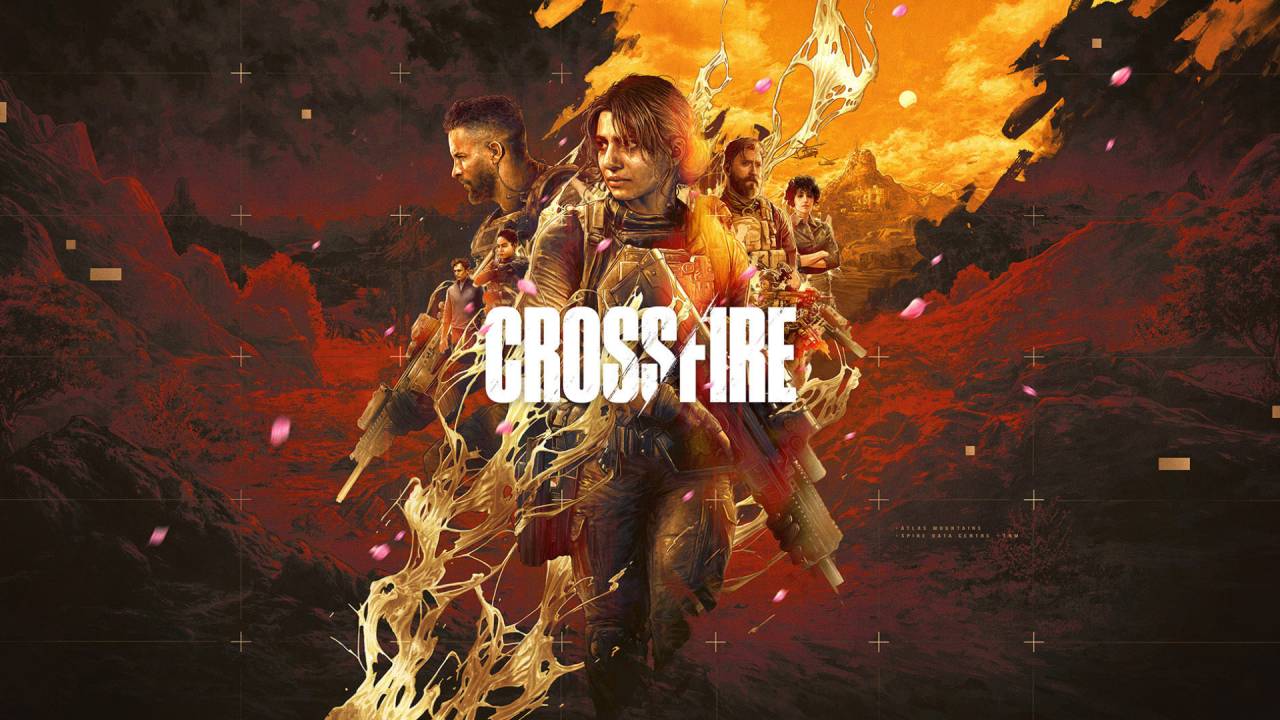
Snow Moon Entertainment, a studio made up of industry veterans, is developing the next title and recently showed it behind closed doors.
The first thing I noticed was how intentional the entire experience is. Combat, movement, stealth, and environmental interaction all seem designed to make you think constantly rather than simply react with quick reflexes.
That approach naturally brings to mind franchises such as Metal Gear Solid, Splinter Cell, and Ghost Recon. Not because Crossfire is trying to imitate them directly, but because it seems interested in reviving a style of tactical action game that has become increasingly rare over the years.
One of the most notable aspects of the presentation was the combat. There doesn't seem to be a predictable rhythm to the firefights, like many modern shooters have. It is often the case that you have to adjust to the situation instead of immediately finding the best cover position and safest way forward.
Terrain is everything. Location matters. This issue can be caused by fast exposure. Encounters are less like shooting galleries and more like tactical situations requiring quick thinking under pressure. The battlefield can change quickly, and the game seems to favor the players who can respond well to those changes.
Much of that comes down to the adaptive cover system in Crossfire, which was one of the more intriguing mechanics revealed during Summer Game Fest. Typical cover shooters rely on predetermined points that allow characters to snap in. Crossfire is different and allows the system to respond dynamically to the environment around you.
Your character can change stance, position, and movement according to the terrain around him, where enemies are, and what cover is available.
This makes combat feel more organic and less constrained. Instead of moving from one designated cover point to another, you appear to navigate the environment in a way that looks much closer to how a real person might react in the same situation. The net result is firefights that feel more organic, less beholden to rigid gameplay systems.
According to the developers, the goal was to remove many of the limitations that have existed in cover-based games for years. Watching the system in action helps explain what they mean. You are not simply following predefined paths through encounters. You are reacting to circumstances as they develop.
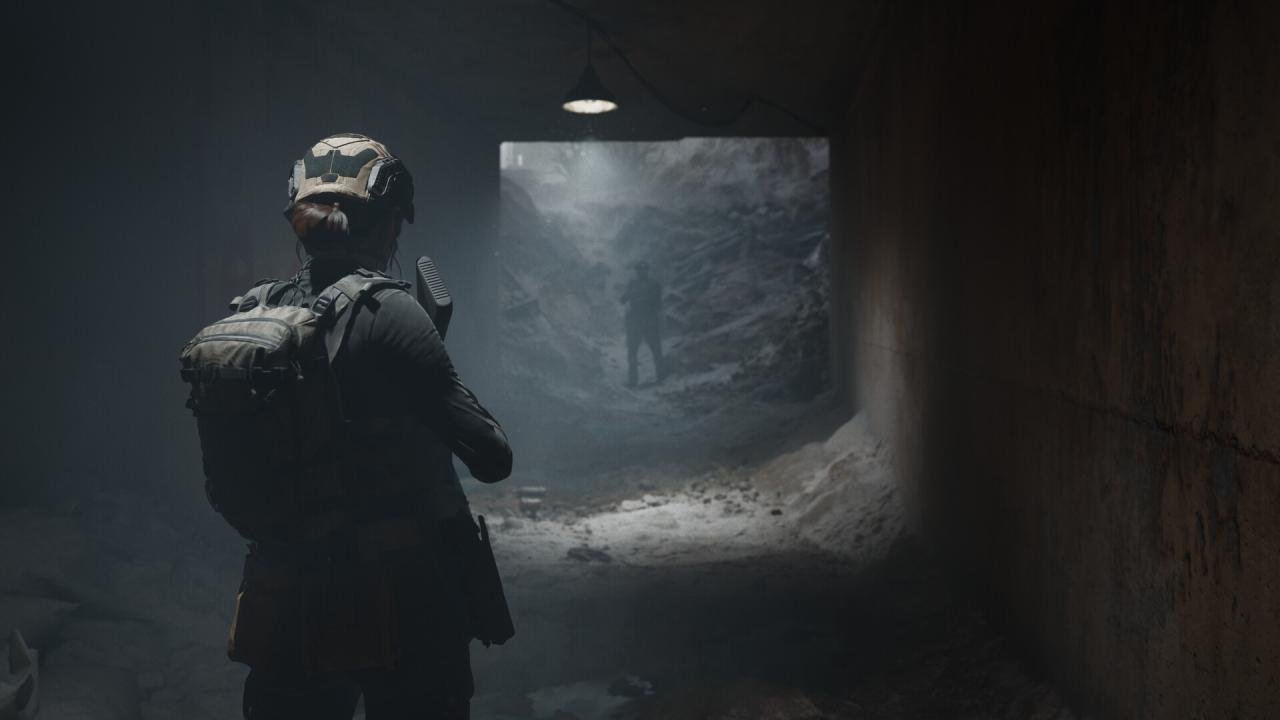
That may sound like a small distinischanges the overall flow of combat considerably. During the demonstration, terrain was used creatively in ways not possible in traditional cover shooters because the system constantly adapted to the player's surroundings.
Movement also appears to be a major priority. While many details remain undisclosed, the footage strongly emphasized realism without making traversal feel slow or restrictive. Characters move with purpose, animations are smooth, and the transition between traversal, stealth, and combat feels seamless.
One of the more impressive things about the presentation was how well everything came together. The movement often felt like a cohesive whole. “Instead, characters emerged from the environment and responded naturally to the situations that were occurring around them.”
Stealth is another element of the experience. Crossfire is not being positioned as a dedicated stealth game, but observation and planning clearly play a major role. The game appears to encourage players to collect information, study their surroundings, and think ahead before acting.
Rushing into situations often looks like the fastest way to create problems for yourself.
The overall design seems to reward patience, awareness, and tactical thinking. This could be an interesting direction for gamers craving strategy over spectacle in their shooters. It also helps the game stand out in an ever more crowded market of faster-paced action experiences.
The production values were also quite impressive. While Crossfire is the first project from Snow Moon Entertainment, the game does not look like a rookie studio’s work. The team’s background includes work on major franchises, and that experience shows throughout the presentation.
Character performances felt real, and the visual quality was solid throughout. There’s a definite push to mix cinematic storytelling with interesting gameplay systems. The developers have not separated gameplay and story but instead emphasized their desire to see the two work together as part of one cohesive experience.
The story follows Ila and Cross, two operators on opposite sides, as they form an uneasy alliance against a larger threat. While the demo was largely a mechanics and gameplay showcase, it was obvious that the story is intended to be a large part of the overall experience.
Based on what we’ve seen so far, it feels like the team wants to ensure that story moments and gameplay are feeding into each other. Given the talent involved and the performances already demonstrated, that commitment seems genuine.
Part of what makes Crossfire stand out is the fact that few games currently occupy this space. Metal Gear Solid has largely remained dormant outside of remakes. Splinter Cell has been absent for years, while Ghost Recon has experimented with different directions across recent entries.
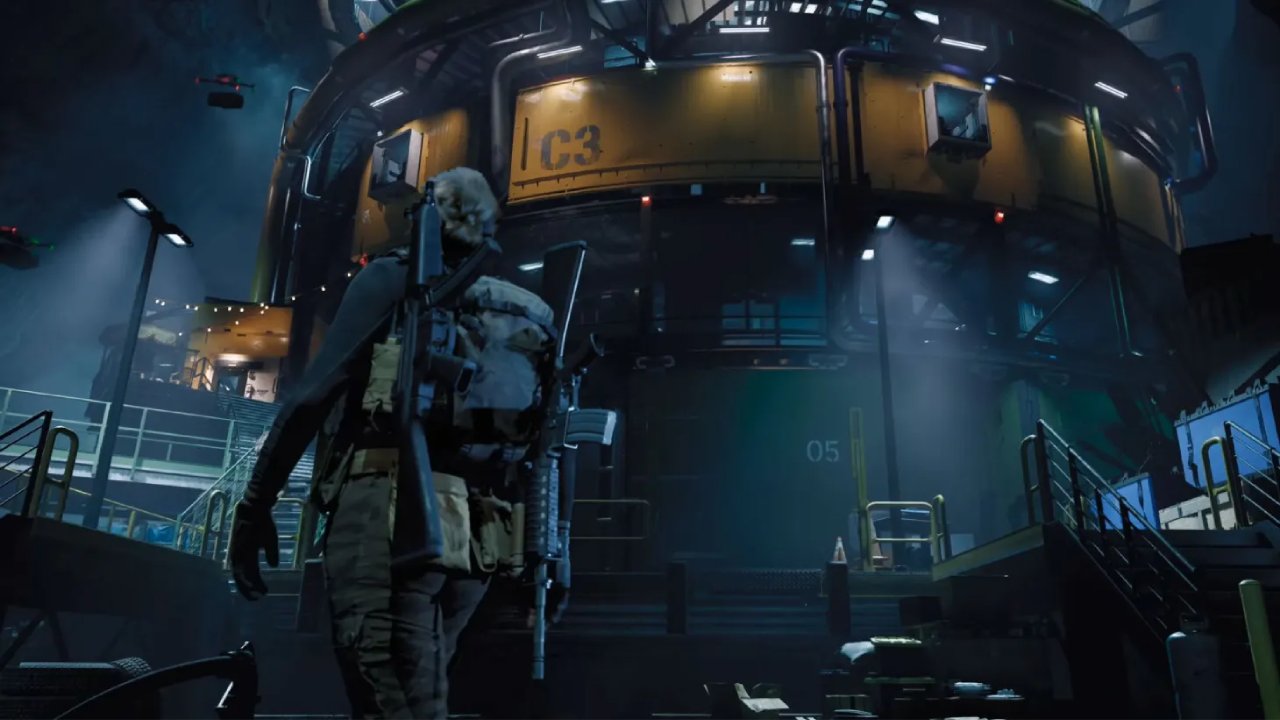
The market certainly has no shortage of shooters, but there are far fewer games built around the idea that stealth, positioning, movement, and tactical decision-making should carry as much weight as shooting itself. Crossfire appears to recognize that gap and is attempting to offer an alternative.
There is still plenty that remains unknown.
The campaign has not revealed its full scope, and it has yet to show many of the long-term systems in detail. It is too early to know how everything will fit together over the course of a complete playthrough. But the foundation shown so far indicates the developers have a clear vision for the experience they want to deliver.
Even so, the footage shown behind closed doors was very striking. Not because the game is trying to reinvent the genre, but because it seems to clearly understand what it wants to be. The vision feels focused, and the team appears determined to execute that vision without compromise.
Summer Game Fest featured plenty of notable announcements, but Crossfire managed to remain memorable thanks to its commitment to grounded combat, believable movement, and tactical gameplay. If the final release can deliver on the ideas presented so far, it could become one of the most compelling single-player tactical action games to arrive in years.
Everything shown appears built around a specific philosophy. Firefights are meant to feel dangerous. Movement is meant to feel believable. Players are encouraged to think before acting rather than sprinting from one encounter to the next. Even the environments seem designed to create tension and force constant adaptation.
Those are the qualities that helped define many of the genre's most memorable games, and they are also what givess Crossfire an opportunity to establish its own identity. Comparisons to Metal Gear Solid, Splinter Cell, and Ghost Recon are inevitable, but the game seems focused on establishing its own identity rather than just imitating them.
Editor, NoobFeed
Related News
No Data.