
DLSS5 Backlash Builds as Phantom Blade Zero Developers Step Away from AI Visual Tech
Concerns over artistic integrity and developer control continue to grow as Nvidia’s new technology sparks industry-wide debate.
News by Tahmid Mahi on Apr 20, 2026
DLSS5 remains a controversial technology that Nvidia is currently developing, and you can see how the conversation around it has shifted over time. At one point, you would have viewed DLSS as a positive force in gaming because it focused on improving performance and upscaling visuals without interfering with how games actually looked. Now, with DLSS5, what you’re seeing is a very different reaction, especially based on what has been shown and marketed so far. The technology no longer feels like it is just enhancing performance but instead changing the overall aesthetic in ways that many people find impossible to ignore.
At the instant you start to take a peak at the demonstration, the visual change seems very noticeable. The AI-driven changes don't just improve things; they can make characters look different from one scene to the next. For example, Grace might not even look like herself in some scenes. The overall look starts to look like AI-generated images you see online, where details are smoothed out and changed in ways that don't feel right. This makes games look the same, which means that unique artistic styles start to fade and everything starts to look the same.
That growing concern is now affecting how developers approach the technology, and you’re seeing some hesitation begin to form.
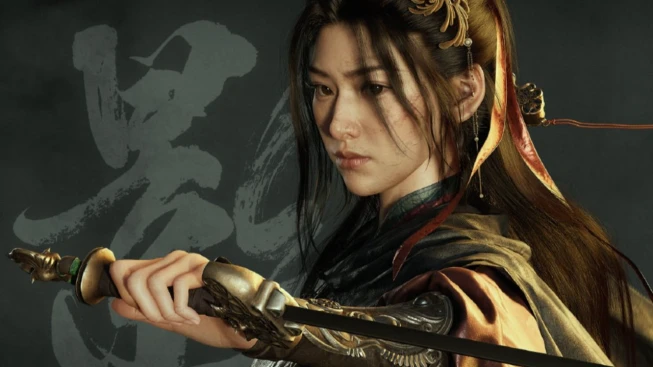
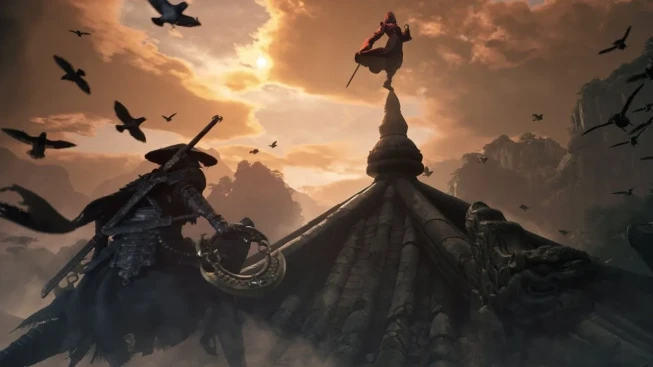
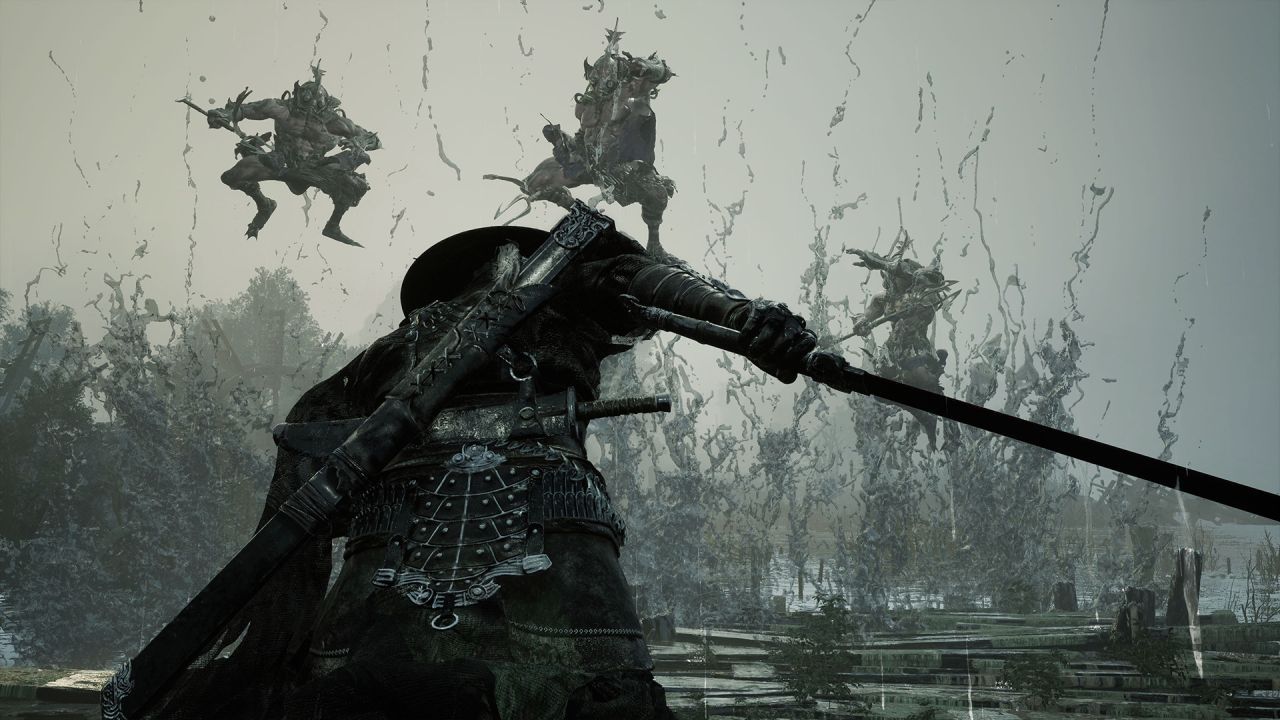
Several major companies were initially listed as supporters of DLSS5, including Bethesda, Capcom, NetEase, Tencent, Ubisoft, and Warner Bros. Games. Among the titles expected to support it is Phantom Blade Zero, a game that has been building momentum thanks to its fast-paced combat and martial arts-inspired design. When you look at how it plays, you can notice influences similar to FromSoftware, along with elements that resemble the fluid action of Ninja Gaiden.
Despite being listed as a DLSS5-supported title, the situation around Phantom Blade Zero appears to be shifting. A recent statement from the developers strongly suggests that they are reconsidering their stance, even if they never directly mention the technology by name. From what they said, it's clear that they want to stick to the original artistic vision and focus on content made by people. They say that real artists made every part of the game and that they don't want to use AI visual technology that could change that.
That statement lines up closely with the main criticism surrounding DLSS5, which is that it introduces changes that go beyond simple enhancement. You can see the argument reflected in comparisons like the ones tied to Resident Evil Requiem, where characters appear altered in ways that feel disconnected from their original design. Instead of improving clarity, the technology can create the impression of an AI filter layered over the image, pushing visuals toward a more generic and less distinctive result. For that reason, the reference to protecting artistic intent feels like a direct response to how DLSS5 has been perceived.
As you follow the reaction to this statement, it becomes clear that many people support this direction.
There is a growing appreciation for developers who choose to prioritize human artistry, especially at a time when generative AI is becoming more common across the industry. Even if there was an earlier plan to use DLSS5, the decision to step back after seeing public feedback and technical demonstrations is being viewed as a meaningful move. It reflects a broader concern that the technology, in its current form, may do more harm than good when it comes to preserving a game’s identity.
You also see that developers don't always make these decisions. Insider Gaming reports that many developers were unaware of DLSS5 until its official announcement. In some cases, teams found out at the same time as the public, which raises questions about how much input they actually have. Concerns also arise regarding the potential influence of publisher involvement, including companies like Capcom, on the future adoption of the technology.
This situation shows that different parts of the industry don't always work together. Some executives and decision-makers might see AI-powered tools as a way to make visuals look better or save money on development. Conversely, some artists and developers prioritise maintaining a distinct look and feel that sets their work apart. When those priorities differ, the final product may deviate from the original creative vision.
You can also see that the idea that more photorealism means better visuals doesn't always work.
Artists carefully control elements like lighting, color grading, composition, and character design to create a particular mood. When AI systems start adjusting those elements automatically, even with the goal of improvement, the outcome can feel less intentional. That is where much of the criticism toward DLSS5 comes from, as it attempts to interpret visuals rather than follow a clearly defined artistic direction.
There are also ongoing concerns about how the technology is trained and what data is used in that process. Questions around whether AI models rely on unlicensed or borrowed creative work continue to come up, adding another layer to the debate. For many people, the issue is not just about visual quality but also about the ethics behind the tools being used. That makes the discussion around DLSS5 more complex than a typical graphics upgrade.
You can't assume that everyone in a company that still supports the technology agrees with that choice, even if some of them do. A lot of developers and artists have already voiced their concerns, but not all of them can do so in public. This creates a situation where public support from a company does not always reflect the views of the people actually building the games. It also explains why clear statements like the one from the Phantom Blade Zero developers stand out.
What you are seeing now is an early moment in how the industry responds to this kind of technology. The most essential decision of One Studio was to stop using AI to change art shows. It also shows that what people say and what developers are worried about can change how these tools are used or not used in the future. As DLSS5 gets better, the balance between technical progress and creative control will still be a big part of making games.
Editor, NoobFeed
Related News
No Data.