
PlayStation Patent Aims to Fix Frame Gen Input Delay
A new filing describes a way to cut input delay in frame generation without extra hardware, but don't expect it any time soon.
News by Adeela Tas on Oct 19, 2026
Gaming tech has moved quickly in the past few years, and much of it has changed how you play. NVIDIA's DLSS Super Resolution opened the door for other upscalers, including PlayStation's own PSSR. Then frame generation showed up, giving you a taste of a high-frame-rate experience, but only in how smooth things look.
What makes a game feel smooth in reality is the base frame rate, and that's still the number one issue with frame generation. Right behind it are image quality problems that show up when generated frames mix with rendered ones.
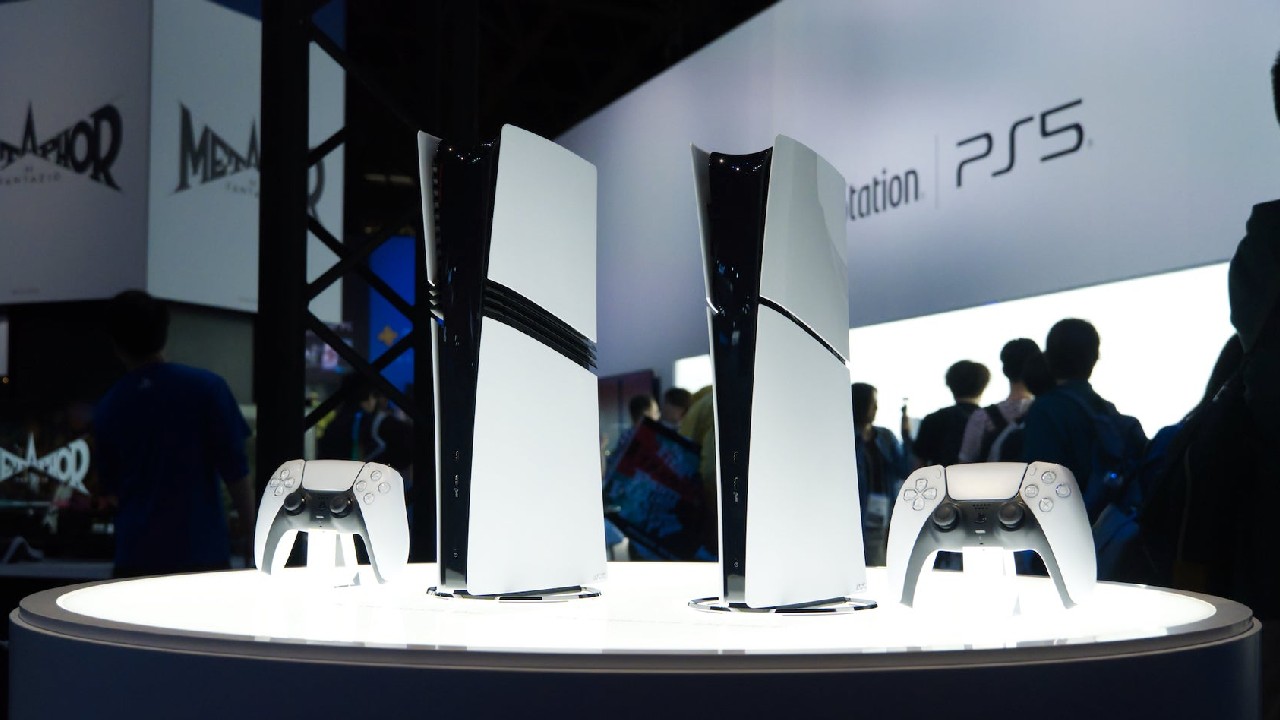
Frame generation looks smoother but adds input delay, which PlayStation's patent targets.
Together, they keep frame generation from feeling like true high-frame-rate gaming. For most players, the biggest headache is input delay. PlayStation knows it well, and tools like NVIDIA Reflex only reduce it. A recent patent suggests the company wants to go further with frame prediction, a new take on the technology that could cut that delay if it's done right.
The patent describes frame generation driven by an algorithm instead of machine learning and neural networks. It would build a synthetic frame from either motion vectors or a real previous frame paired with the latest real one. Under the system laid out in the patent, an encoder would read a rendered frame, optional motion vectors, and the player’s controller input.
A decoder would then output a generated frame that shows up before the next real one arrives. To cover different outcomes, it would produce several possible future frames, and if a guess turns out wrong, a non-AI fallback steps in.
That's how the frame-prediction setup aims to slash input delay. The patent doesn’t mention any hardware beyond what current systems already have, so in theory this method could run on current-gen consoles. Still, frame prediction isn’t something to expect anytime soon.
Current consoles could run it, yet misprediction in fast games is a real risk.
The system is complex, and if it keeps stumbling in fast-action games or competitive shooters, it could make for a terrible experience. Repeated frame generation failures in those kinds of games would be hard to forgive. Even so, PlayStation is clearly putting serious effort into this, and Mark Cerny and his team are most likely working on it right now.
Cerny is expected to appear sometime next year to walk through everything that goes into the PlayStation 6, and if he brings this up, frame prediction could become a big part of the conversation around the console. Sony is trying to stay at the cutting edge, and it will be a while before anyone knows whether the gamble pays off on the PlayStation 6.
Editor, NoobFeed
Related News
No Data.