
Steam Machine Launches With $1,049 Starting Price, Release Date, and Reservation Details
Steam Machine launches with four configurations, competitive performance targets, and a reservation system designed to reduce scalping.
News by Masaru Hoshino on Jun 24, 2026
After months of anticipation, the Steam Machine has officially arrived. Valve's new hardware enters the market with four different configurations, a randomized reservation system designed to combat scalping, and performance levels that position it as a viable alternative for players seeking a console-like PC gaming experience.
Alongside the launch details, Valve has also shared extensive information on pricing, availability, hardware philosophy, and the reservation process for early adopters. As Valve originally announced, the Steam Machine launches with four different SKUs.

There are two versions with a controller and two without, with storage options of 512GB and 2TB. The pricing starts at $1,049 for the 512GB model without a controller. The 512GB version with a controller costs $1,128. The 2TB variant without a controller is priced at $1,349, and the 2TB version with a controller costs $1,428.
One interesting thing is that Valve is offering a cheaper controller when purchased as part of a bundle. The included controller is $69 instead of $100, so there's some savings if you're looking to buy a complete solution.
The Steam Machine is certainly a high-priced product. A lot of folks were hoping for a lower entry point. Unfortunately, market conditions right now just keep pushing the prices of just about everything, electronics and PC components, higher.
The sub-$1,000 Steam Machine never materialized, but in the broader PC industry, the price aligns with the reality of building or buying a decent gaming machine in 2026.
If you are building from scratch, especially if you want a tiny-form-factor system, comparable PCs often start at similar price points. The current atmosphere has made buying gear early seem like the safer choice.
There is no guarantee that prices will fall over the next few years, and hardware makers have previously proven willing to raise prices when necessary. Rather than using a conventional first-come, first-served preorder system, Valve has implemented a randomized reservation process.
Customers can join the waitlist for any of the four Steam Machine models. Registrations remain open until June 25 at 10:00 A.M. Pacific Time. Once registration closes, Valve will randomly select participants and begin sending purchase invitations.
To be eligible, users must have a Steam account in good standing and have made a purchase on Steam before April 27, 2026. Valve also limits reservations to one per household, and will utilize payment information, delivery addresses, and other account details to identify duplicates.
The goal is to reduce the effectiveness of bots, auto-clickers, and scalping operations that often dominate traditional launch events. Valve plans to begin sending purchase emails on June 29, with shipping starting on June 30. The company will continue processing reservation invitations in waves. As users decline invitations or cancel reservations, positions on the waitlist will advance accordingly.
For anyone hoping to secure a Steam Machine as quickly as possible, Valve recommends joining all four waitlists. Each model has its own queue, increasing the likelihood of receiving an early purchase opportunity. Early testing suggests that the Steam Machine performs surprisingly well for its hardware class.
Performance evaluations directly compared the system with the PlayStation 5, using identical settings wherever possible. Overall, the Steam Machine matched Sony's console, delivering results equivalent to those across a wide selection of demanding games.
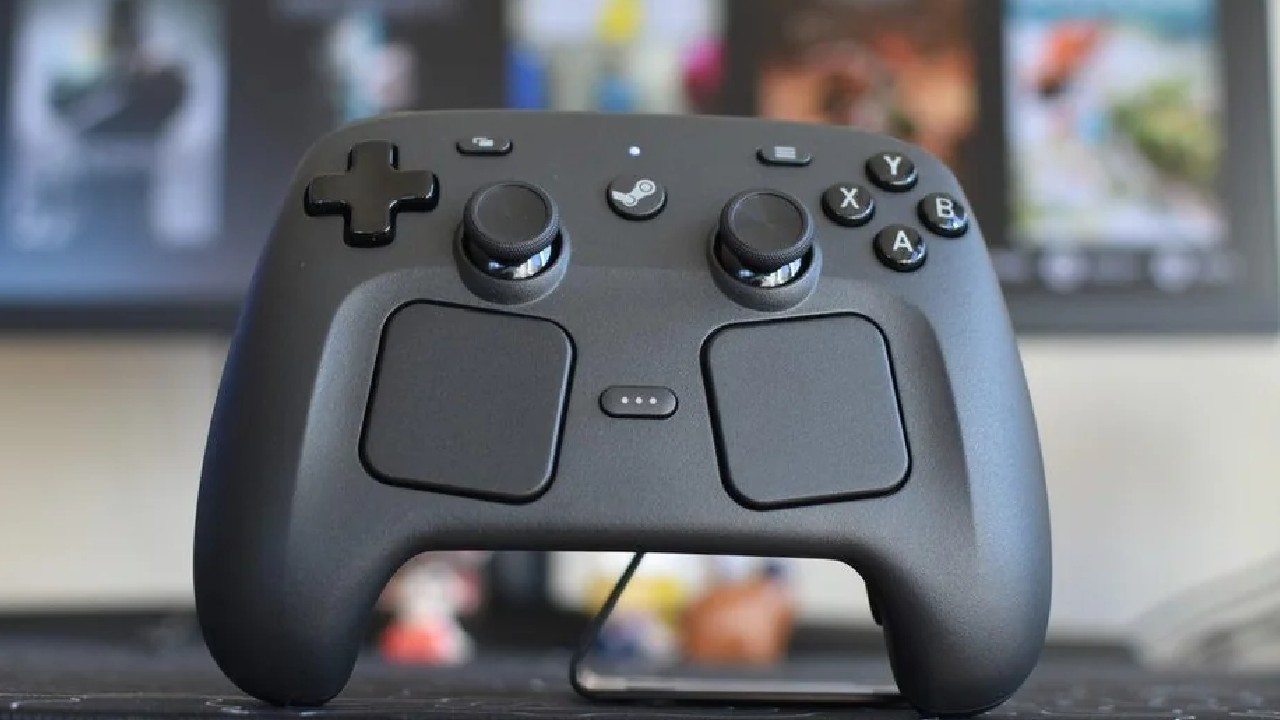
Games such as Alan Wake 2, Doom: The Dark Ages, and Cyberpunk 2077: Phantom Liberty reportedly ran well on the hardware. Naturally, more demanding games may require accepting a 30 fps target, but overall performance appears competitive given the machine's size and design goals.
Because developers continue to support hardware at the PlayStation 5 performance level, the Steam Machine should remain capable of running future titles for an extended period. Buyers selecting either the 2TB Steam Machine configuration receive additional cosmetic accessories.
Both premium models include two extra faceplates: a wood-grain design and a red fabric design. These choices allow for more customization beyond the conventional appearance. Valve explained the rationale for the reservation system in a lengthy Q&A.
Customer demand for previous product launches has outstripped expectations, resulting in unsatisfactory buying experiences, the business said. The randomized reservation mechanism is designed to make the process fairer and less stressful than traditional launches that benefit consumers who can constantly refresh webpages.
While the technique doesn't eliminate wait times, it does reduce the benefits typically enjoyed by scalpers who use automated purchasing tools. Supply is tight, and there's no perfect way today to match the high demand with the available supply, Valve said. Valve outlined several critical prerequisites for participation.
Users must have a Steam account in good standing and have made a Steam purchase before April 27, 2026. The household may only make one reservation. If you want to sign up for multiple configurations, you can do so for all four waitlists at once. The initial invitation received can greatly reduce the waiting time, as each queue functions independently.
Valve also advises participants to confirm that they receive a separate confirmation email for every waitlist they join. Missing confirmation emails should be addressed before the June 25 deadline. One of the most interesting portions of Valve's Q&A focused on how the company views the Steam Machine.
Valve stated that the Steam Machine should be seen as an extension of PC gaming rather than a traditional console.
The company noted that traditional consoles are often sold at a loss, and the revenue is made up by subscriptions and sales of software locked to the platform. Valve contends that open ecosystems ultimately provide greater benefits to customers by enabling innovation and hardware freedom. The Steam Machine is one solution within the PC ecosystem, not a bid to build a closed platform. Valve also pointed out the versatility of SteamOS.
The OS can still be installed on appropriate third-party hardware, so customers may build their own systems or buy pre-built PCs and still get the SteamOS experience. The company is still working to support more hardware, and over time, it will extend support to more PC setups. This strategy aligns with Valve's overall aim to keep the PC gaming ecosystem open and avoid locking consumers into a particular hardware platform.
The Steam Machine is more expensive than many expected, but it also reflects the realities of modern hardware production and component costs. The Steam Machine is Valve's premium gateway to PC gaming, starting at $1,049 and including a randomized reservation system designed to eliminate scalping, competitive performance to the PlayStation 5, and the flexibility of SteamOS.
For enthusiasts invested in Valve hardware and the Steam ecosystem, the Steam Machine offers a first-party experience tailored specifically to SteamOS and PC gaming. Whether demand remains as strong as expected will become clearer once the first wave of reservation emails begins arriving and shipments start rolling out at the end of June.
Editor, NoobFeed
Related News
No Data.