
Eclipse Breaker Preview
An innovative game that brings changes to the rouge-lite and turn-based norm
Preview by Mash Rahman on Oct 21, 2025
Eclipse Breaker is a bold combination of turn-based strategy, twitch reflexes, and always-shifting roguelite systems — and one of those games where you can't help but smile when you get punched in the face by a boss because you know you deserved it and you'll be back for more.
It's the creation of Lunar Workshop Games, primarily the imagination of one Jorge Rodríguez, a dev who has drawn on experience from larger games and invested it in a labour of love that is all nostalgia, without a retro pastiche.
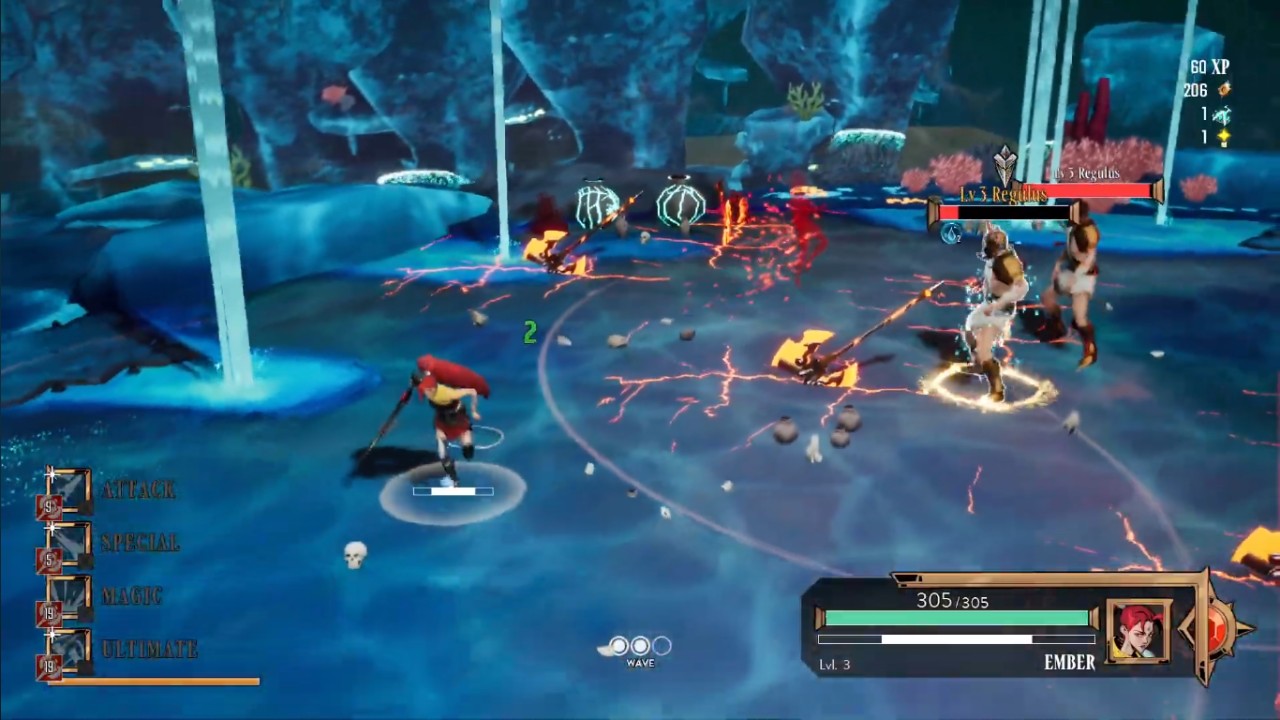
That context is: Eclipse Breaker is lovingly crafted, as if someone had played old-school JRPGs and PS1-era sensibilities, then said, "What if we took this and made it tighter, darker, and more shocking?" And what you get is a game that's like the memory of a 90s console title but plays with the responsiveness and fluidity of contemporary indie design.
The demo has been live on Steam, and the project was showcased at Steam Next Fest events, where much of the hype and fresh impressions have emerged. Eclipse Breaker is a bit like walking into a familiar house and discovering there are new rooms you never realised you had.
On paper, the concept of the game — a timing-action roguelike where you parry, dodge, and counter, and build continuously changing abilities — is a promise you've heard before; in reality, the systems overlap in a way that is fresh and authentic.
You don't just choose an attack and watch numbers rise; movement is included in the attack. You reposition, bait enemies into hazards, dash under an incoming telegraphed hit, and sometimes you'll literally manoeuvre a foe into a spike trap because the battlefield is as much a tool as your inventory.
Consequently, battles in the game are every bit as much puzzle-solving as they are combat tests — a small enclosed space might have several paths to victory, and your brain soon adapts to thinking two turns and a dash ahead. The combat cycle is where Eclipse Breaker truly shines.
It harmonises planning and live-fire application: you set up abilities in advance, but you don't need to remain on a grid. You can move while queuing up a skill, and you can dodge large line attacks, slip around enemies during a bullet queue, or position yourself to set up a window for a parry.
Parries deserve a paragraph of their own — timer-based counters in what otherwise is a well-considered game give combat a heartbeat. Land a parry, and the world turns around: opponents stumble, openings appear, and a well-timed riposte turns an instant of impending doom into a swing in momentum.
It's a lovely cheat because it demands patience as well as reflex, and it makes player skill feel most important even as you wrestle with the randomness of a roguelite playthrough.
Play impressions and reviews all boil down to the same point — parry and dodge mechanics are what bring this roguelite to life. Given the game's roguelike design, replay value is not an afterthought; it's the backbone.
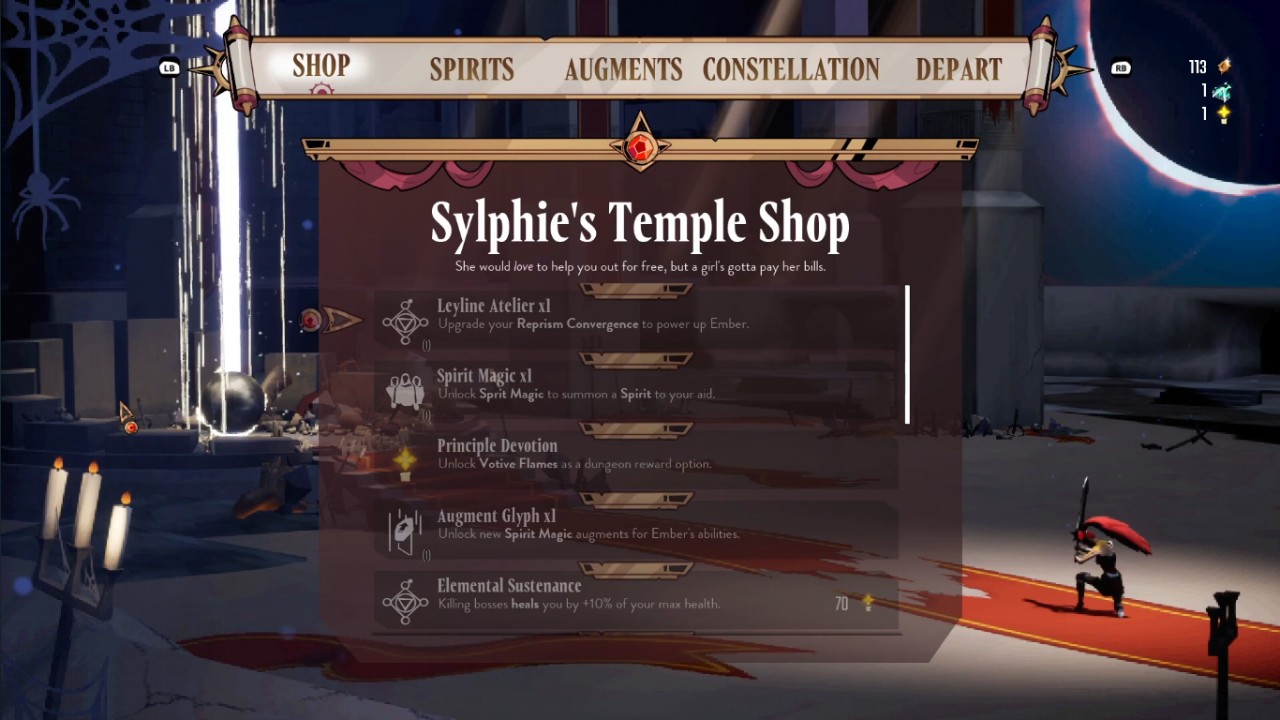
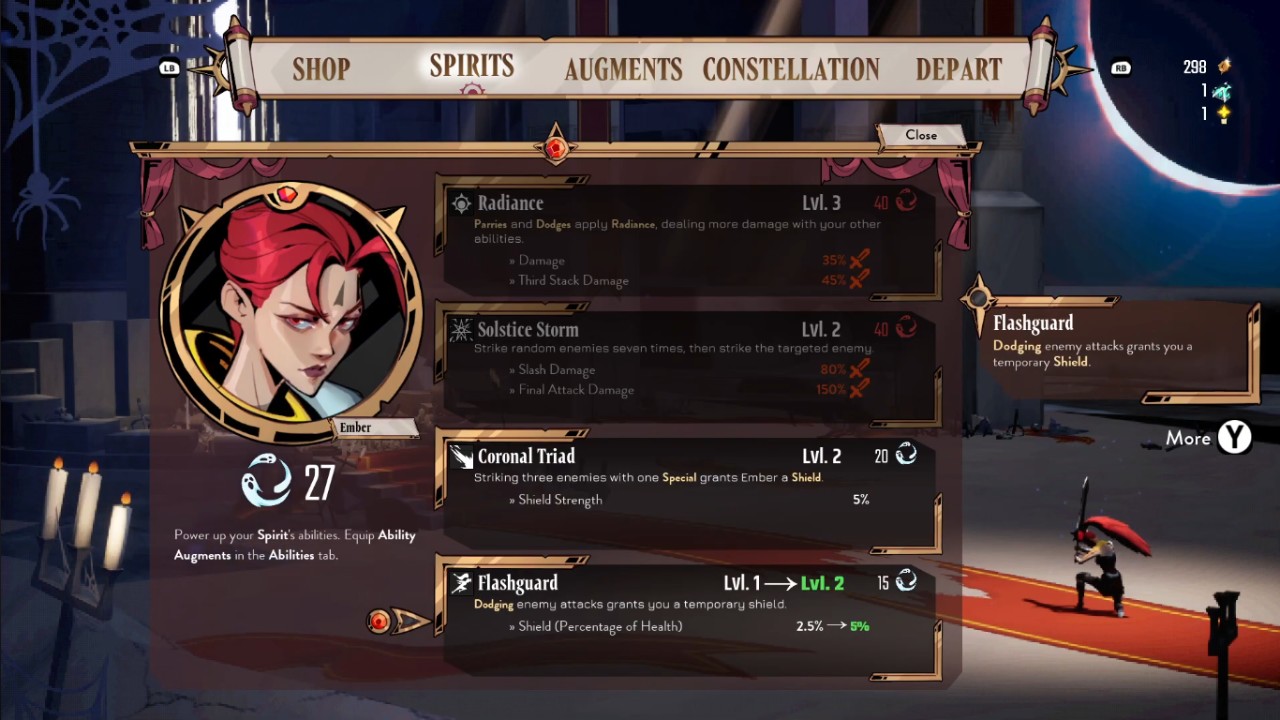
Each playthrough grants you fresh "divine powers" and modifiers that change up your build. Rooms and floors are remixed, pieces are traded, and bosses show up with different behaviours depending on the run's element. The demo encapsulates a chunk of that loop: some elemental zones, several bosses to battle, spirit friends to join, and plenty of upgrades foreshadowing what the entire game holds.
The skill progression refuses to be a "get everything eventually" treadmill; instead, you're capped on active slots, which forces choices that make each run a story about trade-offs rather than a slow march toward a single optimal configuration.
The structure of Eclipse Breaker keeps choices meaningful and makes experimentation feel rewarding instead of wasteful.
That structure keeps choices meaningful and makes experimentation feel rewarding instead of wasteful. That said, it's not entirely without rough edges — and that's okay. As movement and timing are crucial, the initial learning curve can be discouraging to players expecting traditional, turn-based timing.
Some community impressions refer to quirks with the targeting and stamina systems during the demo (e.g., wanting the closest-enemy auto-targeting or experiencing stamina breaking up a planned move), and those are the kinds of friction points that developers will inevitably iron out as the project moves toward final release. The best news is that issues don't break the core joy; they're the kind of patches that make a massive difference when buffed.
When everything is harmonious — your timing, your build, and the map — the battle goes down in a manner that's both strategic and raw. Visually, the game stays true to a PS1 aesthetic: blocky geometries, deliberately pixel-edged lines, and flashlight-level lighting that left me pining for something I didn't even realise I craved. But it is animation and visual effects that sell the battles.
Dashes zip characters across the arena with panache; parries bite harshly; and elemental state floats hang suspended in the air and alter the manner in which you see the same map from playthrough to playthrough. It's a sneaky trick — the visuals nod to the past, but the presentation is modern in how it displays game information.
Every hit is meaningful because the audio-visual feedback is tight: swings feel meaty, hits have that bone-crushing sound, and the musical score swells to give that adrenaline rush with boss fights.
The sound design is not window dressing; it's a gameplay partner that helps you read tells and catch windows. In terms of storytelling, the demo gives a taste of the world and not the whole three-course meal.
You are a "Breaker" character battling against cyclical eclipse and elemental gods, and the story is woven into the runs: fragments of lore, mysterious NPCs you run into, and a repeating-world setup that gradually discloses itself as you die and respawn.
It's fun enough not to break the loop but intriguing enough that you catch yourself caring about why the world is trapped in an eclipse and what—or who—is going to benefit from the cycle.
For folks who like their roguelites with a drama-spotted breadcrumb trail, that's exactly the balance. On the practical side, the fact that the demo is there and the studio is communicating regularly is a big deal.
Lunar Workshop has placed the demo on Steam, showcased updated builds throughout Steam Next Fest, and had the game featured in indie spotlights and press articles—all signs that the developer is welcoming community feedback as it shapes the final release. The demo's build quality feels intentionally polished, which is encouraging; this isn't a rough proof-of-concept hiding behind buzz —it's a playable glimpse of a finished idea.
If you're the sort of player who likes helping shape an indie's development by trying demos and reporting felt issues, this one's worth a download. So what's the final word? Eclipse Breaker is one of those rare indie diamonds that finds a couple of familiar ingredients—turn-based strategy, roguelite proceduralism, and PS1-era aesthetics—and remixes them into a dish that tastes remarkably fresh.
It rewards work, punishes laziness, and savors small victories: the perfect parry that clinches a fight, the element chain that nukes the level, or how a crowded arena instantly opens up when you drive an enemy into the fray.
Eclipse Breaker still needs finishing touches—some design issues with aiming and stamina need tweaking.
It still needs finishing touches—some design issues with aiming and stamina need tweaking—but its fundamental nature is established and uncompromising. If you enjoy RPGs that respect your brain as much as they respect your reflexes, Eclipse Breaker is a demo that's worth a look today and a full release that's worth keeping an eye on.
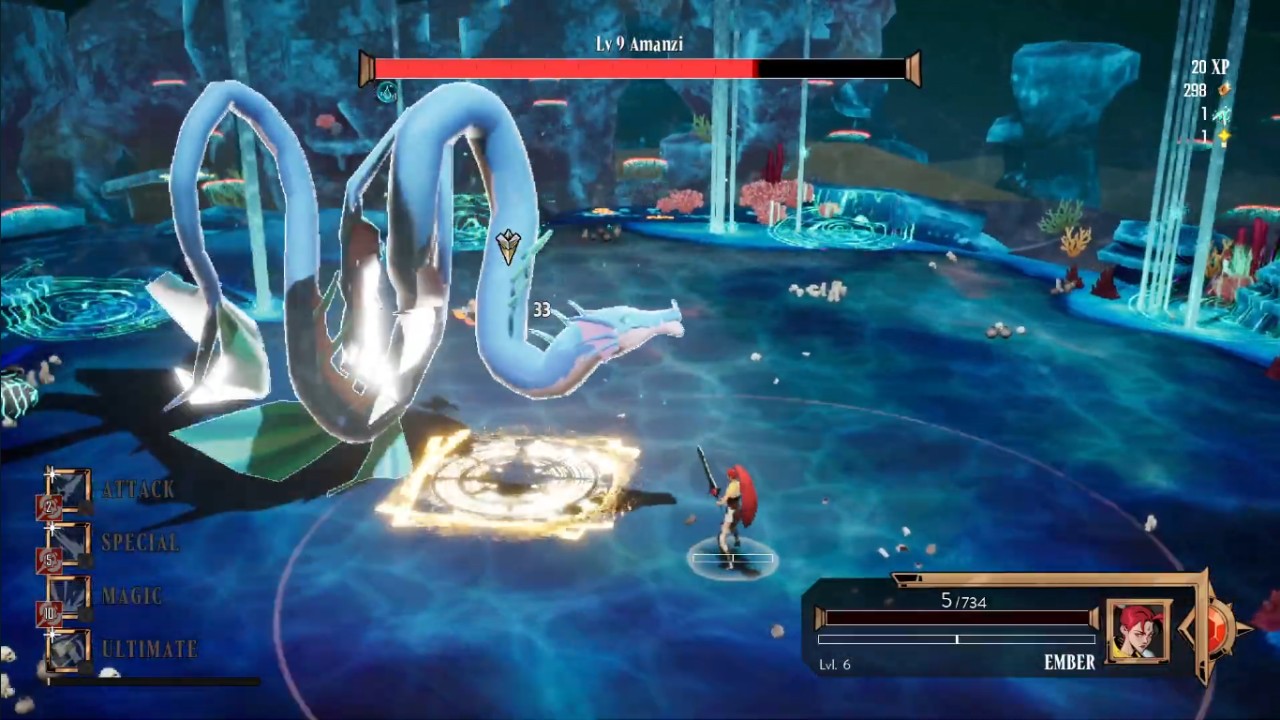
It's retro but not derivative, challenging but not cruel, and filled with moments when you smile, realizing you've learned a new favorite way to get annihilated and learn from it.
Download the demo, become very good at failing, master the parry windows, and then come back with a narrative about how you fooled a boss into eating his own laser. That's the type of game this is: you feel like you're making progress even when you lose, and you keep pressing "start run" long after you said you were done.
Contributor, NoobFeed
Latest Articles
No Data.