
Intel Ends iGPU Driver Support for 11th–14th Gen CPUs: What You Need to Know
Intel has officially ended integrated graphics driver support for 11th–14th gen CPUs, affecting millions of laptop and desktop users.
Hardware by Tanvir Kabbo on Oct 14, 2025
Intel recently announced that it will end support for integrated graphics drivers on CPUs from the 11th to the 14th generation. These are not the same as the discrete GPU drivers for the Arc series or the newer B580 and A770 cards, which will continue to receive updates.
Instead, this change impacts the integrated GPUs (iGPUs) within those CPUs. The move has raised many questions about its implications, from gaming performance to creative workflows, especially for users who rely on integrated graphics for daily use or light gaming.
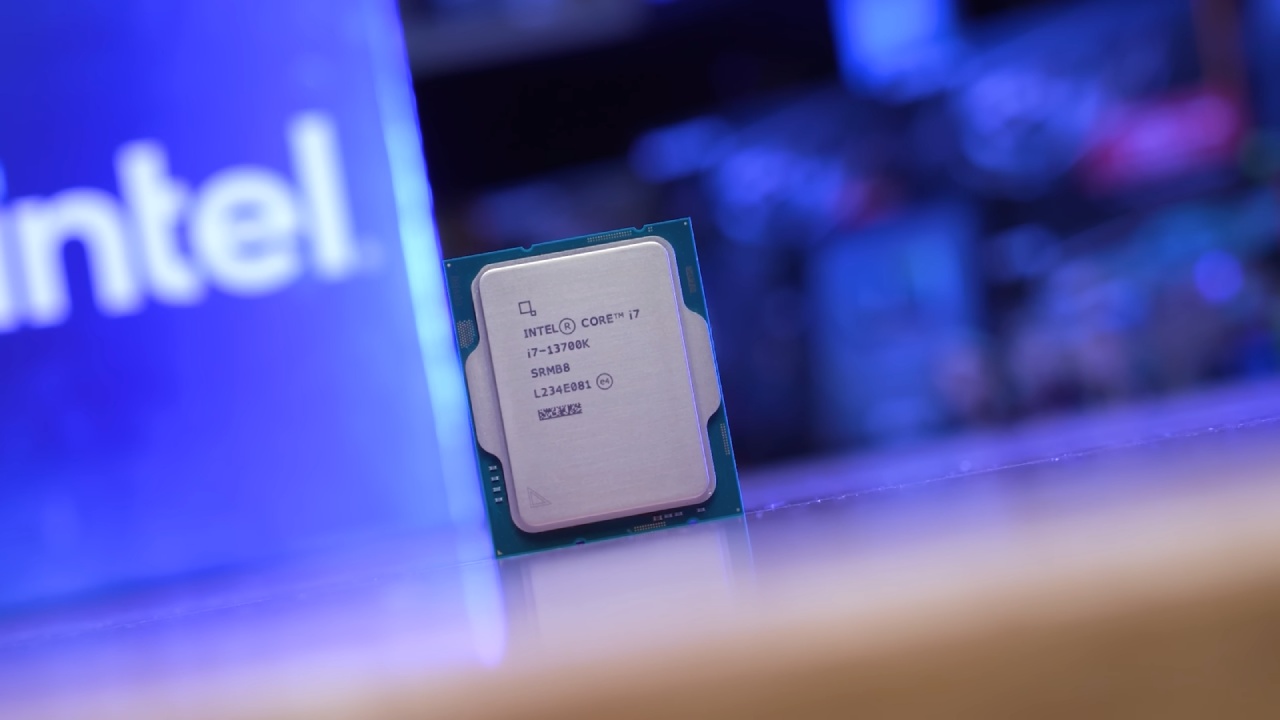
Understanding the Change
Intel's 11th through 14th generation CPUs come with integrated graphics drivers, but they won't get regular gaming optimizations or big updates anymore. While Intel has confirmed that occasional bug fixes and security patches will still be rolled out, the days of dedicated gaming and performance improvements for these iGPUs are over.
Although the 14th-gen CPUs might seem slightly dated, they are still relatively recent in terms of overall usability and performance. This decision effectively marks the end of software optimization for millions of CPUs still in use today, particularly in laptops and budget desktop systems.
Why It Matters
Nearly 8% of all Steam systems reportedly use integrated graphics. That's a large portion of users who may be affected, especially those relying on laptops or low-power systems. For gamers, this could mean more frequent performance issues, stuttering, or crashes after major game updates.
If you play eSports titles like Valorant or Counter-Strike, and your friends are gaming on laptops with iGPUs, future updates to those games might start causing problems.
Users with discrete GPUs, like as RTX 4080 or similar cards, will still get driver support and stability. However, users with older Intel iGPUs may start to have problems with compatibility over time.
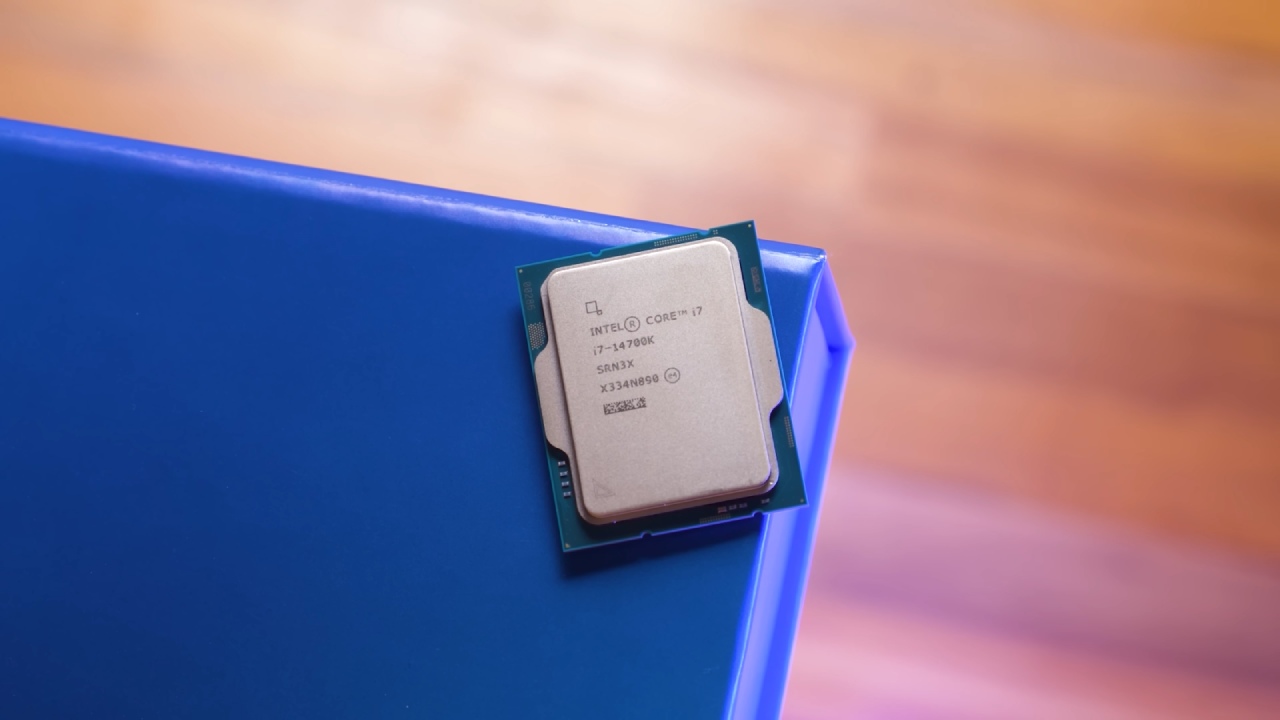
The Impact on Creative Workflows
This news is quite bad for creators. Intel's Quick Sync technology, which is incorporated into the iGPU, is used by many professionals, including ourselves, to speed up video editing programs like DaVinci Resolve. Quick Sync provides fast encoding and decoding for H.264 and H.265, often significantly reducing render times.
Without ongoing driver updates, issues may begin to surface when software like DaVinci Resolve releases major updates. We've already noticed that after big updates, problems with encoding or playback sometimes occur, requiring manual driver reinstalls or waiting for patches. With support ending, these fixes might not come as quickly—or at all.
Concerns for Gaming Handhelds
Another area that might see long-term effects is the handheld gaming market. Devices like the MSI Claw and similar handhelds that rely on Intel processors could face challenges if their integrated graphics stop receiving performance tuning and compatibility updates.
As we move forward, it's worth asking: how long will Intel continue supporting devices that depend on these older architectures? AMD, for example, is still releasing processors for platforms that are nearly a decade old.
In comparison, Intel's decision feels premature and could discourage consumers from choosing Intel-based handhelds or laptops in the future.
The Bigger Picture for Intel
Intel's choice comes at a time when the firm is having trouble getting people to trust it again. Intel wants to keep its users happy, not push them away, as AMD and ARM-based chips become more popular. It seems like a mistake to stop supporting iGPU drivers for CPUs that are only a few years old.
We've seen great deals on Intel CPUs recently, such as bundle promotions that practically give away games like Battlefield with certain processors. These promotions show that Intel is still capable of offering value. Still, decisions like dropping driver support make it harder to recommend their platform with confidence.

A Missed Opportunity
Rather than cutting off support now, Intel could have extended updates for another year while stabilizing its future roadmap.
Keeping drivers consistent would have made current consumers feel better and made the business more trustworthy. But for now, it seems like Intel is taking one step forward and two steps back again.
Final Thoughts
We know that many of you still rely on laptops with integrated graphics for school, work, or casual gaming. Even if performance isn't stellar, being able to boot up games like GTA V or Counter-Strike at 60fps on low settings can make all the difference. For some users, that's their only gaming option—and it works well enough.
That's what makes Intel's decision so disappointing. It impacts not only people who are interested in it, but also regular users who need their systems to work well all the time. If you're a gamer, artist, or just a casual user, it's hard not to think that Intel could have done a better job.
Check Our Other Intel Chips Articles:
- Intel Core Ultra 9 285K Review And Performance Breakdown (2025)
- Intel Core Ultra 9 285K vs AMD Ryzen 7 9800X3D: In-Depth Gaming Performance and Benchmark Comparison
- Intel Core i5-13400F Gaming Performance: Still Worth It in 2025?
- Intel Core i9‑14900K vs. AMD Ryzen 7 7800X3D: Power Profiles & Gaming Benchmarks
- Intel Core Ultra 5 245K Review: Gaming, Productivity & Power Efficiency Tested
- Intel Core Ultra 9 285 K's iGPU Gaming: In-Depth Benchmarks & Analysis
- Intel vs. AMD Gaming Laptop: Performance, Thermals & Battery Life Compared
- AMD Ryzen 7 9800X3D vs.7800X3D vs. Intel Core Ultra 7 265K: Gaming, Thermals & Price Analysis
Senior Editor, NoobFeed
Latest Articles
No Data.