
Intel Nova Lake 52 Core Specs and the Growing Doubts Around Enterprise AI Impact
Intel’s aggressive 52 core Nova Lake strategy collides with underwhelming real-world AI productivity gains.
Hardware by Tanvir Kabbo on Feb 20, 2026
The tech world may seem chaotic, but a few big changes point to real progress. Intel is getting ready for what could be its most aggressive CPU comeback in years.
At the same time, a new study shows that the AI revolution may not be delivering the big productivity gains many people expected. Together, these developments highlight a turning point for both hardware innovation and enterprise technology strategy.
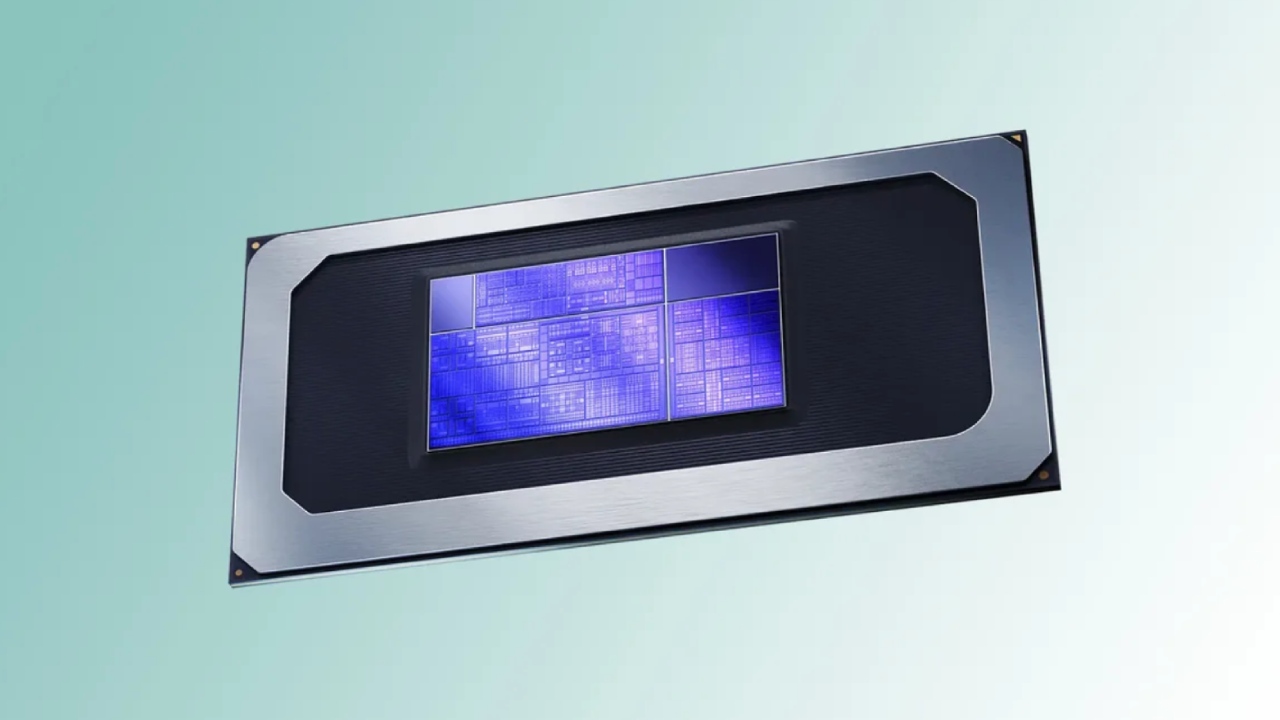
Intel's 52-Core Ambition
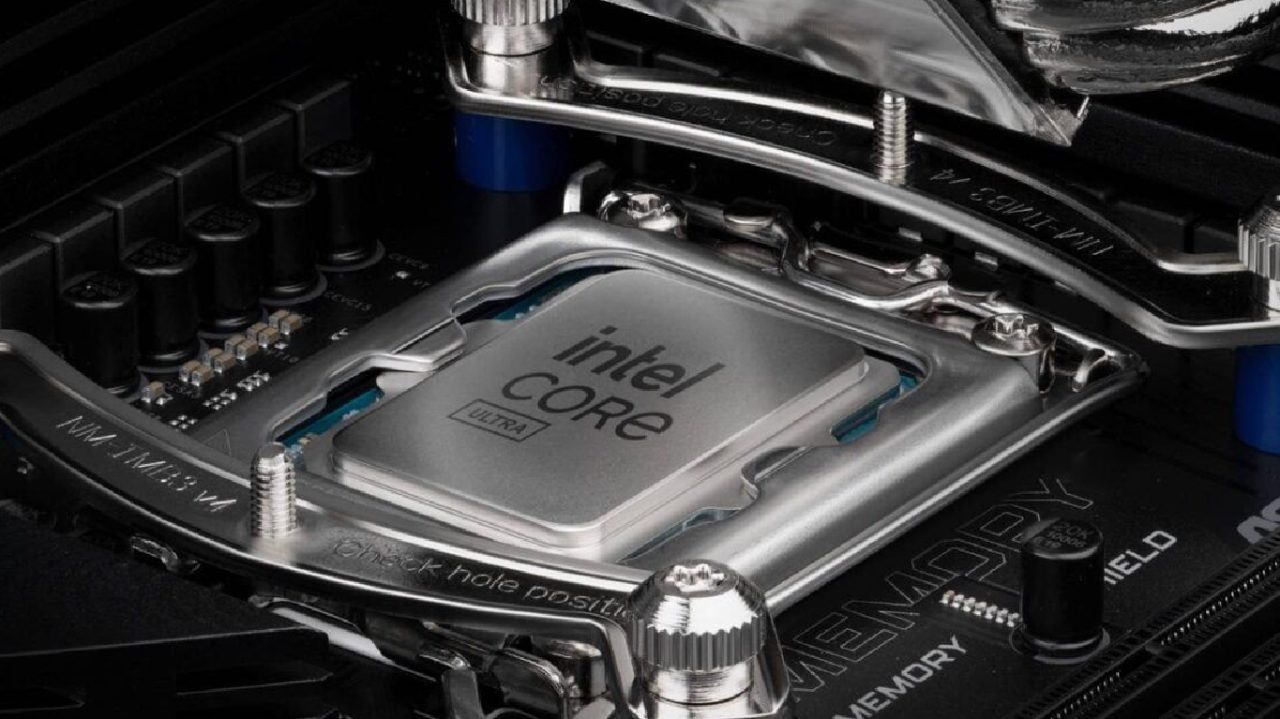
Intel's nextG CPU lineup, based on the Nova Lake architecture, appears designed to make a statement. At the top end, we are looking at a massive 52-core processor paired with up to 288MB of L3 cache. That alone signals a dramatic push into high-core-count territory. Reports suggest Intel may revive the Core X branding for these higher-end chips, positioning them as a spiritual successor to its earlier HEDT lineup.
However, there are important caveats regarding the platform. These processors are expected to run on the consumer Z990 chipset rather than a fully featured HEDT platform. That means no high PCIe lane counts, no quad-channel RAM, and fewer of the features that come with premium platforms, usually seen in workstation-class PCs. The number of cores is amazing, but the rest of the system may not live up to what fans expect from a standard HEDT system.
Power draw is another major factor. Previous rumors pointed toward extremely high power consumption for the flagship SKUs. More recent leaks suggest that only certain high-end motherboards will support the full power envelope of the 52-core part. Other boards may limit performance and power delivery. If you want to get the most out of the top-tier model, you'll probably need to buy a high-end motherboard.
When you put this next to AMD's Threadripper line, things get trickier. Threadripper machines are suitable for professional use since they have additional PCIe lanes and memory options. The price will be the deciding factor in whether Intel's plan works. If we see aggressive pricing, this might mean a big recovery. If not, adoption may be limited despite the impressive specs.
The AI Productivity Reality Check
At the same time, new research is casting doubt on the scale of AI's real-world impact. A large survey conducted by the National Bureau of Economic Research, titled "Firm Data on AI," gathered responses from nearly 6,000 senior executives. The results are eye-opening.
Over the past 3years, more than 80% of firms reported no meaningful impact from AI on productivity or employment levels. What makes this surprising is that nearly 70% of firms reported actively using some form of AI. In other words, adoption is happening, but measurable benefits are not clearly materializing.
The average executive who works for a company that uses AI only spends 1.5 hours a week utilizing it. Some observers say this is like the productivity conundrum of the 1970s and 1980s, when using computers didn't immediately make work more productive. Companies had bought gear, but they hadn't changed the way they did things to make the most of it.
But things are different today in some important respects. Early computers took over whole manual systems, such keeping track of inventory and bookkeeping. AI doesn't always replace entire processes; it usually just makes some elements of tasks better. Also, businesses currently work in digital surroundings, so the transformation isn't as large as when firms switched from paper to computers decades ago.
AI is still new, and its long-term benefits may not be clear yet. But for now, the data points to the fact that AI might not be the instant panacea for productivity that many people assumed it would be. As Intel works on big hardware goals, the rest of the IT industry is likewise dealing with more realistic expectations for innovations that can change the world.
Also, check our other hardware articles:
- AMD Ryzen 9 9950X3D Review: Setting The Standard For 2025 Gaming CPU
- Amazon Luna 2025 Review: Is Prime Gaming's Cloud Service Your Go-To For Casual Fun?
- AMD RX 9070 XT Review: AMD's RDNA 4 Champion for 1440p Gaming
- GeForce Now Ultimate: Ditching Your Gaming PC For Cloud RTX 4080 Power?
- NVIDIA GeForce RTX 5080 Review (2025): Still A 4K Gaming Powerhouse?
- Intel Core Ultra 9 285K Review And Performance Breakdown (2025)
- Intel Core Ultra 9 285K vs AMD Ryzen 7 9800X3D: In-Depth Gaming Performance and Benchmark Comparison
- NVIDIA GeForce RTX 5080 Super Performance In Cyberpunk 2077: Path Tracing & DLSS 4.0 Tested
- AMD Radeon RX 9070 XT In Cyberpunk 2077: Ray Tracing & FSR 4.0 Tested
- Intel Arc B580 Review: The $250 GPU Revolutionizing 1440p Gaming
- Intel Arc B570 Vs. B580: Value, Specs, And Real-World Gaming Performance
- RTX 5090 Laptop Vs. M4 Max MacBook Pro: Ultimate Raw Performance Vs. Battery Endurance
- Intel Arc b580 Vs. RTX 4060: Game Performance And Value Analysis
- RTX5090 Hell Is Us Demo 4K Ultra Benchmark: DLSS Vs. Native Performance Guide
- NVIDIA RTX 5070 Review: Mid-Range Muscle or Marketing Hype?
- Nintendo Switch 2 Review: Handheld Performance, Features & Value Breakdown
- RTX 5070 Ti Review: Performance, Thermals & Power Efficiency Tested
- Samsung Odyssey OLED G81SF Review 2025: Ultimate 32-Inch QD-OLED Gaming Monitor
- AMD RX 9070 Performance Review: Thermals, Clocks, and Real-World FPS
- AMD Ryzen 5 7600 Review: Best Budget Gaming CPU of 2025?
- AMD Radeon RX 7800 XT Review: RDNA 3 Power For Midrange Gaming
- Asus ROG RTX 5090 Astral OC Vs. Founders Edition: The 4K Gaming Benchmark
Senior Editor, NoobFeed
Latest Articles
No Data.