
PlayStation is Going Multiplatform—But Sony Won't Admit the Strategy
Sony’s quiet, calculated move onto PC and beyond reshapes gaming access without sacrificing console prestige, proving strategy beats spectacle.
PlayStation by Zahra Morshed on Feb 02, 2026
PlayStation's plan to release games on multiple platforms is no longer just an idea. It's an intentional shift that's happening in small steps instead of big statements. Some console fans are still not sure what to do, but the way is becoming more clear.
Now the question isn't whether PlayStation will go cross-platform or not, but how it will do it. In contrast to Xbox, which has taken a more open approach to third parties along with its hardware business, Sony's approach is still planned and divided.
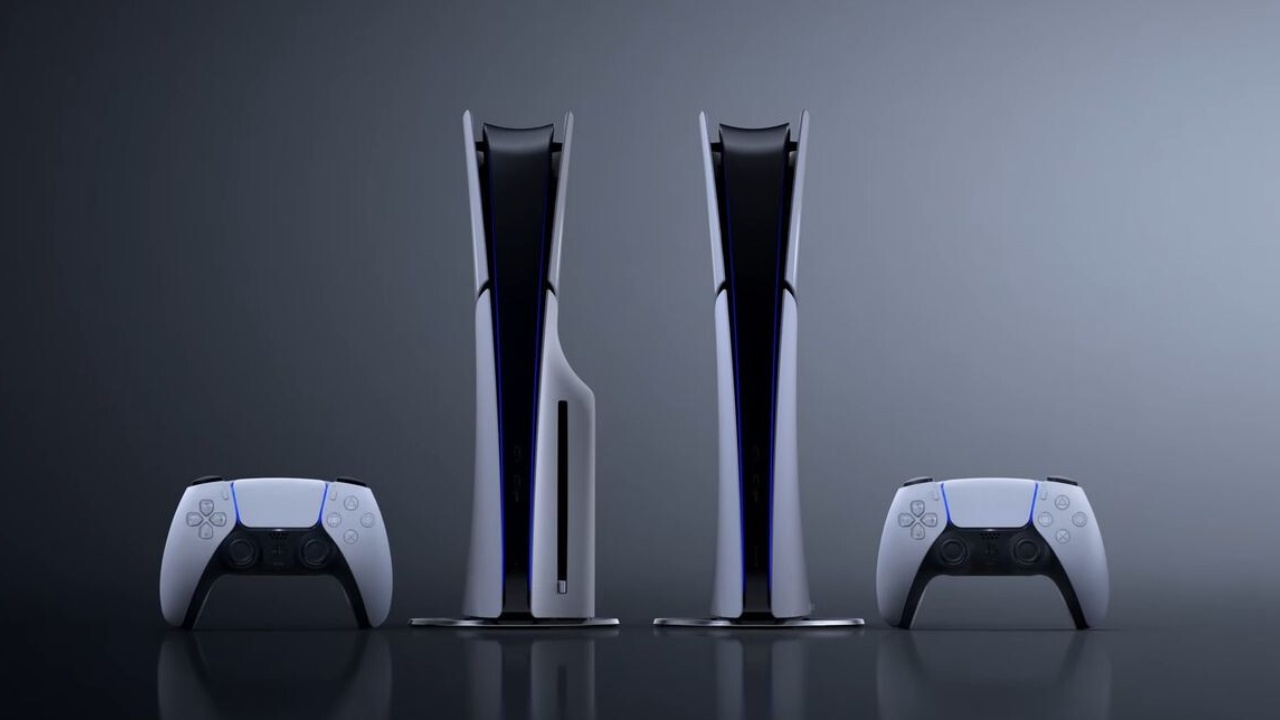
The computer is still the most important part of what it is. But recent choices point to a wider opening. Live service games and old catalog releases are being used to test the waters for expanding beyond PlayStation devices.
The best connection is for live service games.
Sony has already said that these projects are planned to be ready for PC launches, which often happen on the same day. The reasoning is based on structure, not feelings. Scale, long-tail engagement, and group density are all things that make online games last.
Putting them on just one device limits what they can do before it even starts. Helldivers 2 was the moment that made this clear to me on the inside. The game came out early in 2024 on PlayStation 5 and PC, but there was no news or release date for an Xbox version.
Sony hasn't released official sales numbers by platform, but third-party analytics firms say that the overall number of sales is in the tens of millions. Importantly, public data from Steam shows that PC involvement far exceeded expectations.
Steam wasn't just an extra way to get things done.
It turned into the main driver of growth. Because of word of mouth on PC, Helldivers 2 became a cultural moment instead of a niche hit, with a huge number of players at the same time. Because of that progress, PC was no longer seen as an add-on, but as a mainstay.
It's possible that the game's path would have been much smaller without it. This result has effects that go beyond live service design. It changes how Sony thinks about reaching people. PC gamers don't just watch how console environments work.
They are busy buyers who are ready to invest when they can. That understanding is similar to what Microsoft learned earlier, but Sony is using them in a more limited way. PlayStation's back catalog is the second important part of its plan.
Instead of releasing big single-player games on the first day, the focus seems to be on carefully chosen revivals of old games. Franchises that have been out of the press for a long time are now sitting on shelves of valuable intellectual property.
Remasters and updated collections are ways to keep those names alive without taking away from PlayStation's high-end image.
Games like Ratchet and Clank, Sly Cooper, Jak and Daxter, Gravity Rush, and earlier God of War games are still not available on current platforms. Putting them on PC and maybe even other consoles wouldn't change their reputation. It would bring them back to the attention of people who had never seen them before.
Sony's recent choice to put in place leadership that is solely responsible for multiplatform strategy supports this path. That job is for doing, not for thinking about. Companies don't make executive roles to look into ideas that have already been ruled out. They do this after a model has shown growth.
.jpg)
The core PlayStation experience has been left alone on purpose. Major story-driven games still come out first on PlayStation hardware, and the windows for access are often longer. This balance keeps the value of the consoles while letting other parts of the business grow. You can't run away. We call it division.
PlayStation's future on more than one platform is not aggressive or loud. It waits, doesn't make noise, and is based on facts. At each step, demand is checked without giving away the name. The idea can be seen, but the plan is still being made. There is no longer a chance of growth. The thing is an instrument.
Contributor, NoobFeed
Latest Articles
No Data.