
How to Prepare for the Next Generation of Consoles and Gaming Hardware
Other by Druuna Lewis on Nov 07, 2025
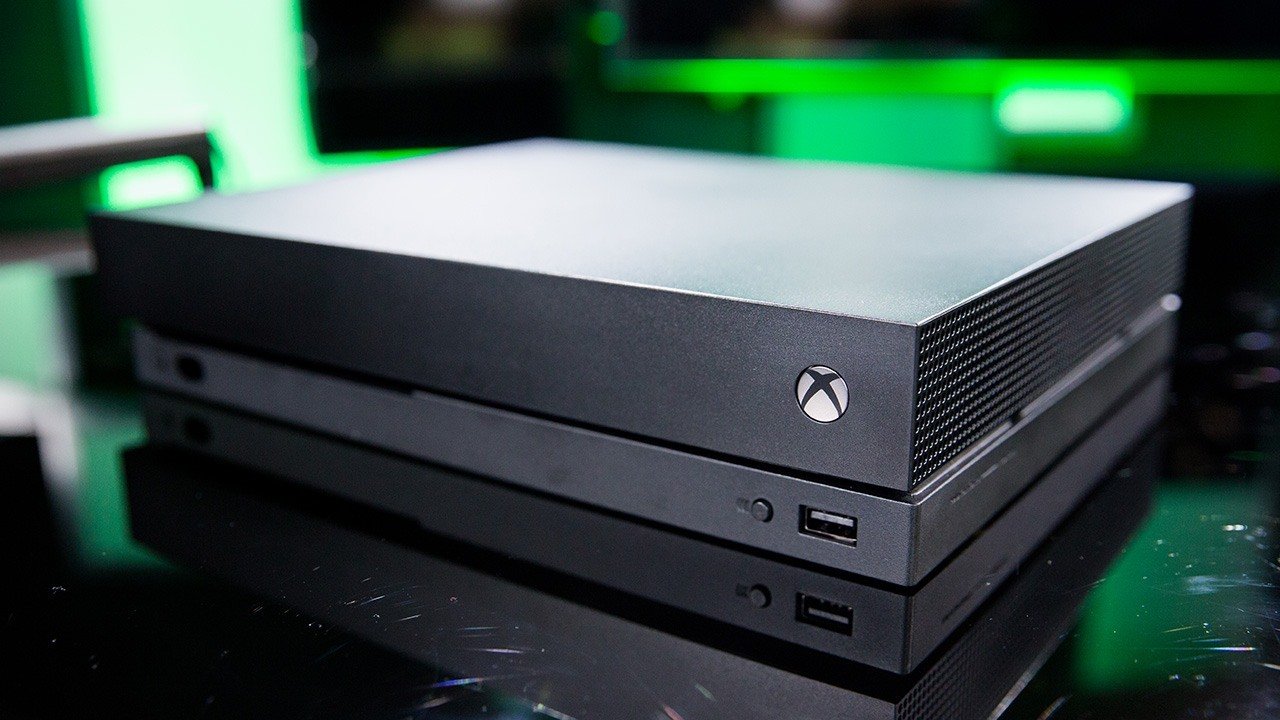
The next wave of consoles is... well, it's already getting hyped. All the big names, Microsoft, Sony, and Nintendo, are putting pieces in place for launches somewhere around 2025 or 2027, or so people believe.
It's likely we'll see some pretty serious jumps: faster chips, better graphics cards, speeds, and graphics that may actually live up to the marketing buzz this time. Developers are starting to tease the minimum specs, but not everything is set in stone.
.jpg)
The subscription world keeps shifting, cloud gaming seems to be pulling more weight, and suddenly, displays, peripherals, storage upgrades, and even your router all matter way more than before.
Watching for key hardware advances and compatibility
It sounds almost inevitable that expectations for graphics, smoother gameplay, and blending between platforms are all about to get thrown in the air.
According to what some hardware specialists are predicting, displays that support 120Hz or higher refresh rates and HDMI 2.1 (or possibly even DisplayPort 2.1) will be what serious gamers look for first. Audio might get a boost, too; spatial and surround sound could slip into the standard features list.
Game systems may be a stretch, but it feels like they're starting to echo mobile and PC integration more closely, not just for games but for all sorts of media, including online casino.
Thanks to digital libraries and backwards compatibility, swapping to a new box shouldn't make you lose your games, at least, that's what the companies seem to be aiming for.
Upgrading your gaming setup for immersive experiences
Changing up your display and input gear, your whole network setup, this stuff actually starts to matter. If you're thinking about a monitor, maybe it's worth stretching for a decent 4K or even 8K panel (as long as it's 120Hz at minimum). SSDs, fast ones, whether internal or plugged in, are basically essential, mostly to keep up with how big and detailed new worlds are getting.
Adaptive controllers get a lot of hype for good reason: haptics and new trigger feedback shift the whole feel of a game. Faster standards like Wi-Fi 6E or possibly 7 are being talked up if you care about steady online play. Chargers, cables, maybe even mouse pads.
Managing storage and ecosystem continuity
Massive install sizes seem like the new normal. Some open-world games are already pushing past 100GB, sometimes before you've even added the DLC. Getting an NVMe SSD, especially one that plays nice with PCIe 4.0 or 5.0, is probably a good call, both inside your console and as extra add-ons.
Don't bank on huge internal drives from launch, though; rotating through more than a few games will probably mean springing for extra storage. Quick resume and asset streaming depend a lot on storage speed, so that's not a feature you'll want to bottleneck.
Sticking with one digital ecosystem pays off, too. PlayStation and Xbox alike seem keen on making backward compatibility and cloud sync real incentives to stay loyal. Digital libraries might cut the sting of migrating to a new system in half, if not more.
It also looks like social features and multiplatform play will pull even more focus, possibly even redefining how people connect in-game. One thing tech security types can't stop warning about: keep your accounts locked down, because recovering old purchases or profiles is no fun if something goes wrong.
Preparing budgets and embracing cloud evolution
This upcoming console generation? It's shaping up to be a spendy one, at least judging from current projections. Entry-level prices are expected, though not guaranteed, to edge above last generation, mostly due to pricier chips, more memory, and high-speed connectivity parts.
If you're hoping for the "bare minimum" approach, it seems wise to put some money aside for add-ons like extra drives, controllers, and whatever new subscription tier launches with the hardware.
Subscription services (Game Pass, PlayStation Plus, and so on) are not static; terms, features, and even prices can and do shift. Cloud gaming, too, is likely to become more tightly woven with local games, giving you ways to play across multiple screens without starting from scratch.
Some analysts believe we could see faster, more frequent hardware updates and rolling service revamps like the PC world. Handhelds and hybrids aren't out of the equation, either; fast swaps between your living room TV and another device are apparently a key direction.
It might be smart to check your budgeting from time to time, keep tabs on exactly what hardware features you'll actually use, and look out for early access programs if you're into that.
It's an exciting mess with more choices, but also more to learn and, let's be honest, to spend. Staying "ahead" here probably means being willing to shake up your setup more often than ever before.
Moderator, NoobFeed
Latest Articles
No Data.