
What New Leaks Say About the Ocarina of Time Remake's Scale
A fresh Play-Asia listing has fans debating the cost, content, and the scale of Nintendo's 40th-anniversary Zelda project.
News by Adeela Tas on Jul 10, 2026
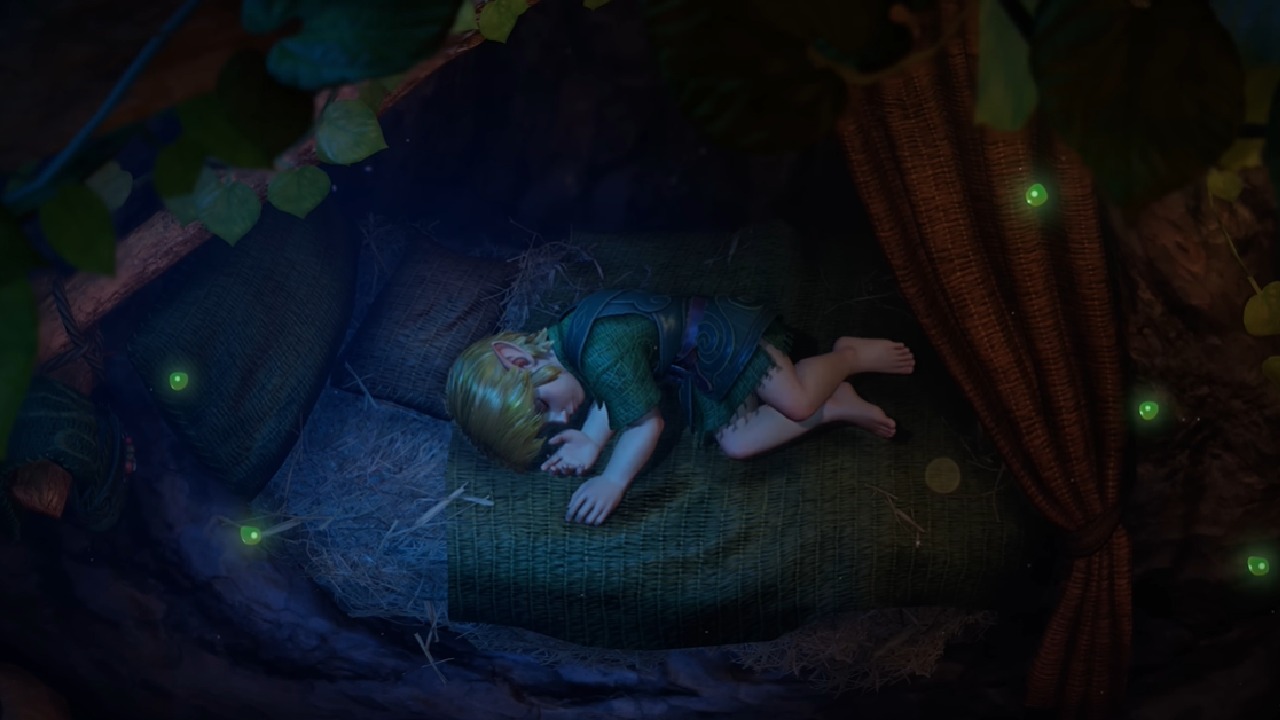
You're probably already aware that details on the Ocarina of Time remake have been trickling out slowly, mostly limited to the sleeping Link imagery, the Mark of the Hero appearing on his hand, and tweaks to the Master Sword and Hylian Shield. But now there's a new piece of the puzzle worth digging into, one that could shift the entire conversation depending on how much weight you give it.
A listing from Play-Asia has surfaced showing a price of $60 USD for the Ocarina of Time remake. Before you get too excited or too worried, you should know that this figure applies specifically to the Japanese version, and pricing in Japan has historically been lower than in Western markets.
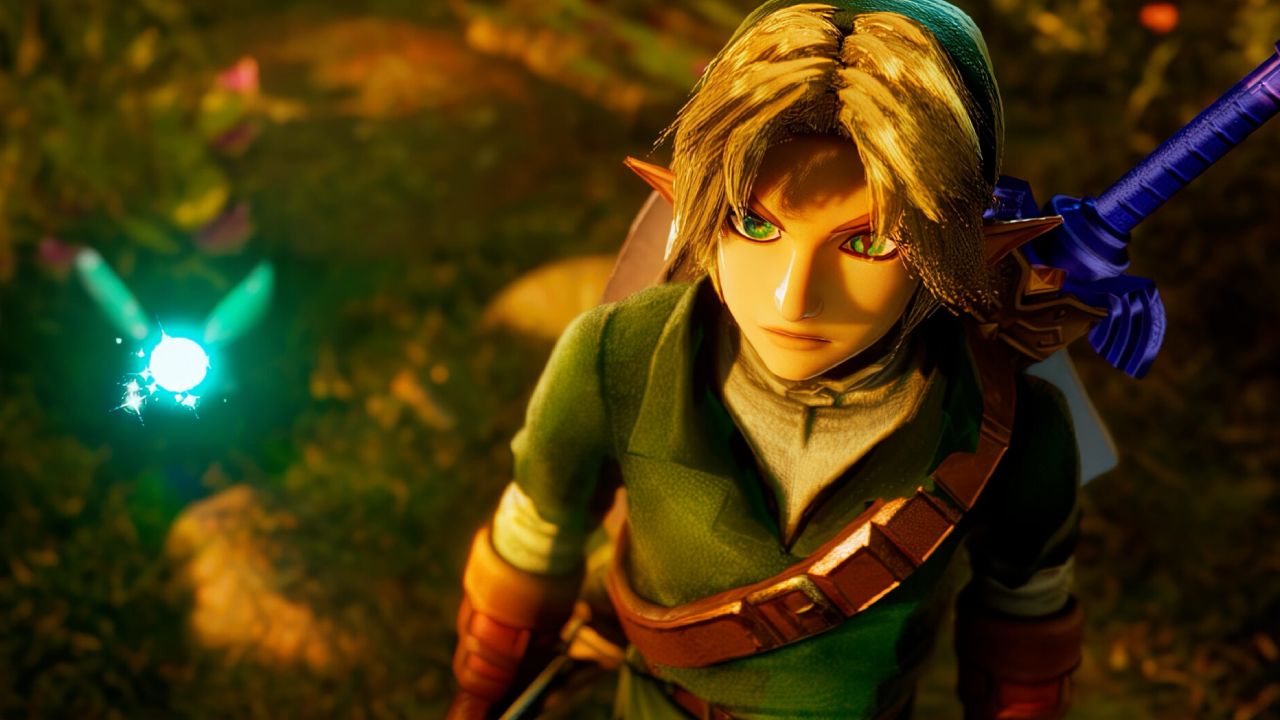
Play-Asia listings have been wrong before, so there's a real chance this number is just a placeholder rather than anything official.
Don't expect Nintendo to confirm actual pricing for the Ocarina of Time remake anytime soon, and definitely not this month. July belongs to Splatoon Raiders, so a reveal is far more likely in a quieter release window like August, or possibly September, alongside Fire Emblem: Fortune’s Weave and a rumored Nintendo Direct.
You can probably guess why this $60 number has people nervous: it echoes what happened with the Star Fox remake, which launched at $50 and didn't change all that much from the original. But that comparison only goes so far.
Star Fox is a much harder game to expand meaningfully, so the best Nintendo could really do there was add cutscenes, boost the visuals, tighten gameplay, and update voice work. The Ocarina of Time remake is operating under very different expectations. This is being positioned as Nintendo's flagship holiday release for 2026, going head-to-head with GTA 6, which is exactly why the release date has to be carefully spaced from that launch.
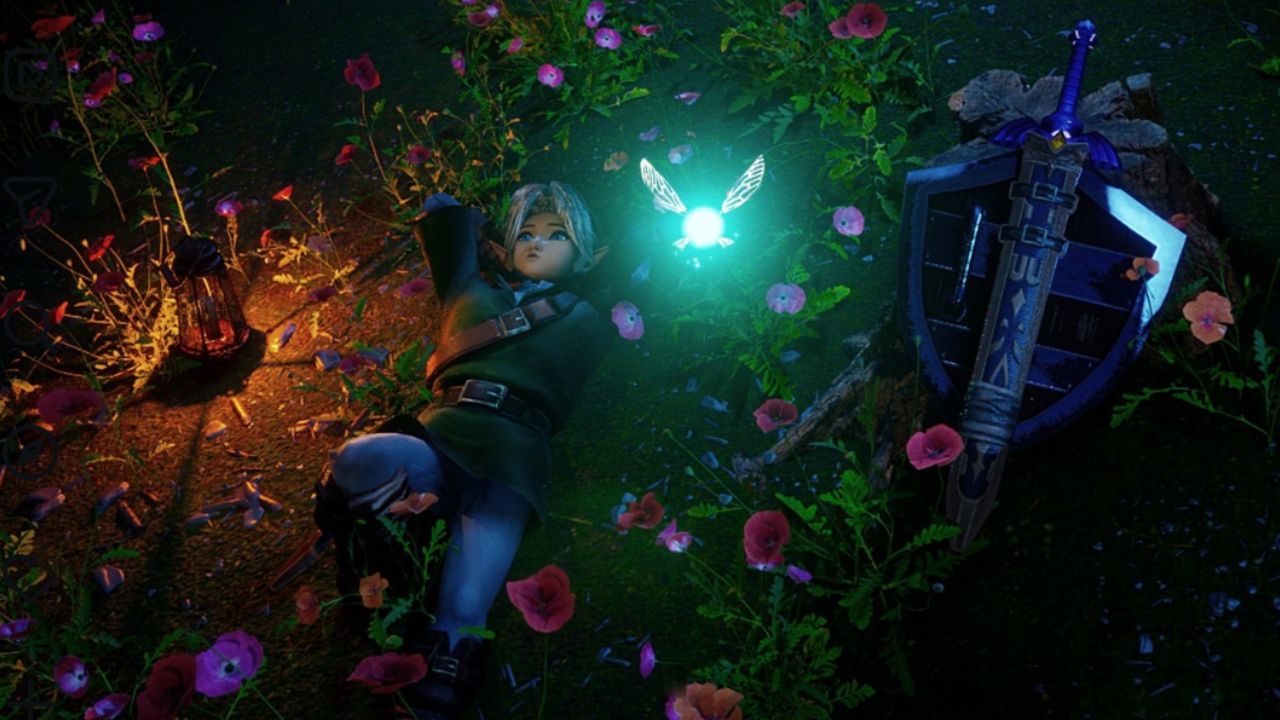
You already know the demand for a proper Ocarina of Time remake has existed for years, largely fueled by fan-made Unreal Engine projects from names like CryZENx, Yanni Papazis, and RwanLink, all of whom have shown what this game could look like with modern technology.
A Star Fox-level effort simply won't cut it here, especially with the bar set so high by both Western fan projects and major Japanese studios.
If you're looking for the clearest reference points, Square Enix's Final Fantasy VII Remake, Rebirth, and Revelation, along with Capcom's Resident Evil remakes, are probably the closest comparisons. Don't expect Nintendo to split the game into multiple installments the way Final Fantasy VII was handled, even with a $60 price tag floating around.
That approach carries too much financial risk with GTA 6 looming, and a November release window seems far more probable. The Resident Evil model fits better here: keep the core content intact while expanding and refining it. Given how those games were priced, a $60 tag for a Japanese release isn't unusual.
A more realistic expectation for the West is closer to $70, which aligns with Nintendo's typical pricing for remakes. The $80 tier tends to be reserved for massive, brand-new titles that stretch well past 50 hours of content, which explains why Donkey Kong Bananza landed at $70 instead of $80, while Fire Emblem: Fortune’s Weave carries the $80 price due to its scale.
Star Fox, on the other hand, is a short experience, similar in length to the recent Yoshi title, which is part of why its price stayed lower. None of this means Nintendo is planning a bare-minimum effort for the Ocarina of Time remake. It simply reflects that this game was never going to match the scope of Breath of the Wild or Tears of the Kingdom.
That doesn't mean the classic problems players remember from the original will just be carried over untouched, either.
Where you should expect real upgrades is in the controls. Dual-analog camera movement feels like an obvious inclusion at this point, something Nintendo has already proven with Majora's Mask 3D back in 2015. There's also a theory worth considering: that $60 pricing for the Japanese version could be a deliberate move to push more Nintendo Switch 2 sales.
It might target Zelda fans who already played through Breath of the Wild and Tears of the Kingdom, skipped Hyrule Warriors: Age of Imprisonment, and have been sitting on the fence about buying the new console.
A themed bundle without the game included would make sense here, letting Nintendo frame a $500 system purchase alongside a comparatively gentle $60 price point as a kind of goodwill gesture. Once again, that number is tied to the Japanese release, with $70 looking more likely for the Western version.
If that pricing structure holds, you should expect more than just surface-level changes. Cut content is likely to make a comeback, filling out the world in ways that feel more complete and intentional. Beyond graphical improvements and those expected dual-analog camera controls, restored areas and an expanded Hyrule seem probable, particularly around Castle Town, which could finally become more than just a backdrop.
Adding in the streets from the original 1998 map fits this category too; content that was meant to exist but got cut due to hardware limits back then.
Ocarina of Time was built around constraints in a way that something like Star Fox 64, an on-rails shooter, simply wasn't, so comparing the two isn't really fair. Even without hitting that $80 price bracket, this can still be a substantial remake that fixes long-standing issues, modernizes what's already there, and introduces new areas that weren't previously explorable.
.jpg)
That said, don't expect anything as ambitious as three entirely new dungeons. The Ice Cavern becoming a full Ice Temple doesn't really track since there's no Sage attached to it, and the same logic applies to a potential Wind Temple. A Light Temple, however, makes more sense and fits with the idea of refining existing elements rather than piling on brand-new content.
This remake still carries enormous weight given what Ocarina of Time represents. It remains the only game to ever receive a perfect 99 rating, making it the highest-rated title in gaming history, and this version is meant to be the definitive one.
That pressure makes it unlikely Nintendo will release something with zero meaningful changes, but there's also a real chance Master Quest gets left out entirely, which would actually put this version behind what fans already got back in 2011.
You've probably seen requests from players wanting the dungeons completely redone while the overworld stays mostly familiar, essentially an A Link Between Worlds-style approach.
That's not what this is shaping up to be. The Ocarina of Time remake is still a remake first, meaning it holds onto its existing structure rather than replacing dungeons outright. Gerudo Fortress and the Ice Cavern, staying as mini-dungeons rather than becoming full temples, fit that same philosophy, and honestly, that's part of what makes the adult portion of the game work so well in the first place.
What you can expect instead is evolution rather than reinvention, expanding on areas that already make sense to expand, like Castle Town, and possibly giving more depth to Hyrule Castle during the child section, widely considered the weaker half of the game.
That could mean more attention paid to the Hyrulean Civil War, arguably the most significant conflict in the entire Zelda timeline, given its direct link to Ganondorf's rise before the timeline eventually splits. Until Nintendo actually confirms pricing and shows more footage, it's tough to know for certain whether the Ocarina of Time remake ends up as a near-identical recreation or something with real structural changes.
A one-to-one remake would likely draw the same criticism the Star Fox remake faced. The more realistic outcome probably lands somewhere in the middle, more ambitious than Star Fox, less transformative than the Final Fantasy VII trilogy, closer in spirit to Resident Evil. Think Link's Awakening DX, which added one new dungeon alongside mostly technical and visual polish.
If the Light Temple does make the cut, it would likely sit in the adult timeline.
While any new child-era content would probably focus on giving Hyrule Castle Town and the path to Zelda's courtyard more room to explore. Reports have also pointed to a notably large budget for this project, which tracks given its role as the franchise's 40th-anniversary release and its ties to the upcoming Zelda movie marketing push.
That combination raises the stakes considerably. This can't be a simple retread of 1998, or even 2011, and skipping Master Quest would technically make it feel like a step backward compared to the 3DS version. Nintendo seems well aware of that pressure, which is likely why so much care is going into making sure this lands as one of the best-reviewed releases the company puts out in 2026.
Editor, NoobFeed
Related News
No Data.