
Project Helix to Turn Xbox Series X into a Windows 11 Gaming PC Despite Memory Limits
Project Helix could transform Xbox Series X hardware into a Windows11 gaming environment with significant memory management challenges.
Hardware by Tanvir Kabbo on May 17, 2026
As console hardware moves closer to PC architecture, there are new conversations about gaming platforms. New tests of a Linux operating system on PlayStation 5 devices have sparked renewed interest in Microsoft's Project Helix, a gaming platform based on Windows 11 that was previously said to be for normalizing console-like hardware.
While the idea of transforming existing Xbox Series X and Series S systems into hybrid PC-style gaming machines sounds technically possible, major hardware limitations, particularly memory management, could make the experience far less practical than it appears.
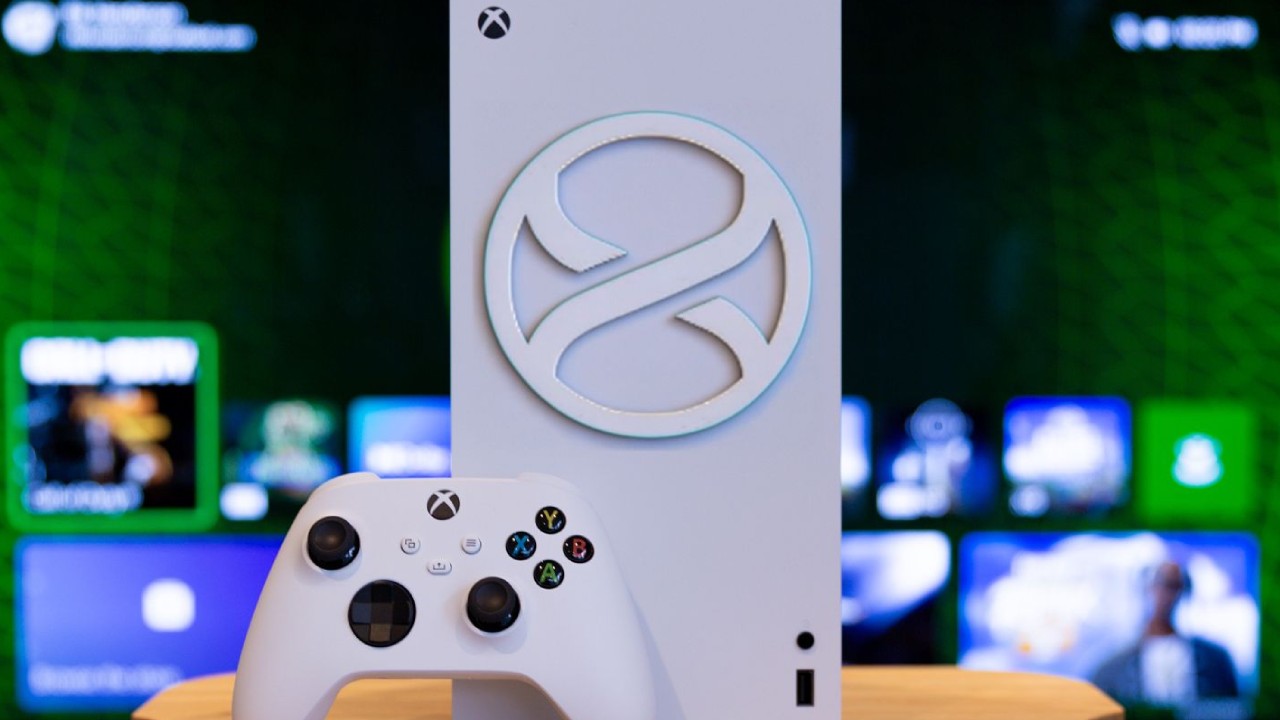
Seeing Linux running on PS5 hardware got everyone thinking about Xbox's rumored Project Helix.
If the rumors are accurate, Helix is essentially a Windows 11-based gaming OS running on relatively standard PC-like hardware, albeit within Microsoft's own hardware specifications. The big question is whether Microsoft could produce a Project Helix-style OS build that runs on existing Xbox Series X and Series S consoles.
The answer appears to be yes, technically, they could. However, the primary issue would be memory, especially for the Series S. What has become clear from Linux testing on PS5 hardware is that games are not designed to run within that kind of operating system.
Instead, they are designed for environments where games have total control over the unified memory architecture. That level of direct control simply does not exist in the same way under Linux.
Because of that, many VRAM-style mitigations and limitations are necessary just to get games running properly on Linux-powered PS5 hardware. Those same compromises would likely apply if Windows 11 or a Helix-style operating system were deployed on Xbox consoles.
The experience becomes significantly more challenging because memory must now be shared with a much heavier operating system environment.
Why Memory Would Become the Biggest Problem
The Xbox Series X could probably handle such an operating system with enough optimization and aggressive memory management. Microsoft would need an extremely efficient system working behind the scenes to prevent games from running into major memory bottlenecks.
The Series S, however, becomes far more problematic. With its already limited memory pool, there simply is not much room left once a PC-style operating system enters the equation. The concern is straightforward: there is only so much memory available to begin with, and modern games are already pushing those limits heavily on the existing console environment.
Even among enthusiasts discussing the concept, the consensus remains largely the same. It is technically possible, but it quickly becomes a question of whether it should. A PC-like operating system running on console hardware may sound exciting, but the compromises required could outweigh the benefits entirely.
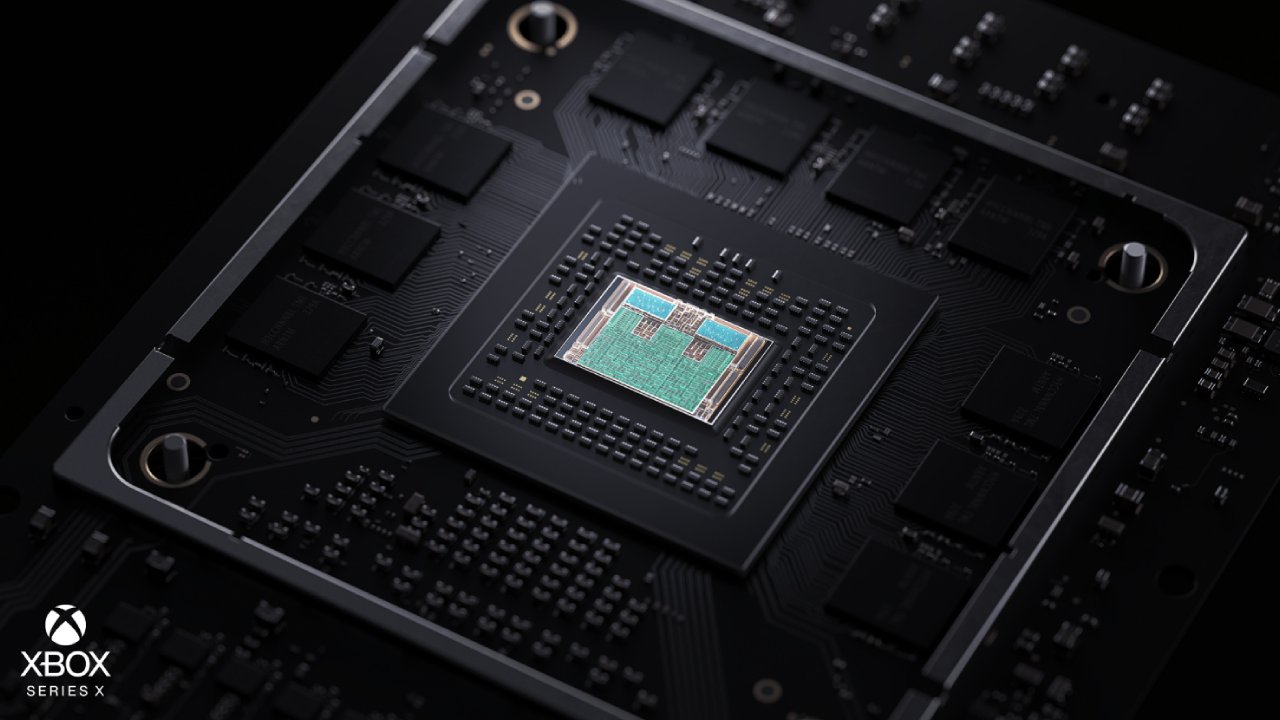
A Possible Send-Off for Xbox Hardware
Some believe the idea could work as a future send-off for the Xbox Series X. The concept would essentially allow the console to transition away from traditional Xbox applications and move toward a broader Windows gaming ecosystem. At some point, it may no longer make financial sense for developers to keep producing fully separate Xbox-specific versions of games.
Under that scenario, Microsoft could theoretically tell users that their Xbox Series X can at least attempt to function like a compact Windows gaming machine. It would be an interesting final evolution for the hardware. Still, the Series S creates a major obstacle because Microsoft has consistently tried to treat both consoles on relatively equal footing throughout the generation.
Although developers have occasionally received flexibility regarding reduced features or weaker Series S implementations, fully abandoning parity would represent a much larger shift. That alone makes the likelihood of a Helix-style operating system rollout feel increasingly unlikely.
Why Microsoft Probably Would Not Pursue It
There is also the broader issue of Microsoft's long-term platform strategy. The message to the public was that they’ll continue to support Xbox hardware, but it doesn’t seem there’s any desire to make Xbox Series a priority for further iteration. The site has become more of a stepping stone than the final destination.
A Windows-style gaming experience on existing consoles would also require substantial effort while potentially delivering inconsistent user experiences. More importantly, it could pull users away from Microsoft's tightly controlled console ecosystem and into a more open PC-like environment, something the company may not want to encourage on aging hardware.
Ultimately, the concept remains undeniably cool from a technical standpoint. Microsoft could easily do it without much trouble and just let Windows manage it from there on out, since it would be a one-time effort. But the fact is that the end-user experience would probably be too much compromise to be worth the effort.
Senior Editor, NoobFeed
Latest Articles
No Data.