
GeForce RTX 5060Ti vs Radeon RX 9060 XT 16GB: 1440p Gaming Upscaling Performance
Comparing real-world 1440p gaming performance on GeForce RTX 5060Ti and Radeon RX 9060 XT using advanced upscaling technologies.
Hardware by Tanisha Aria on Nov 24, 2025
The Radeon RX 9060 XT 16GB and the GeForce RTX 5060Ti are two popular mid-range to mainstream graphics cards that you can buy for a gaming PC.
Both GPUs perform well in new games, and with the latest upscaling technologies, players can achieve playable frame rates even at high settings.
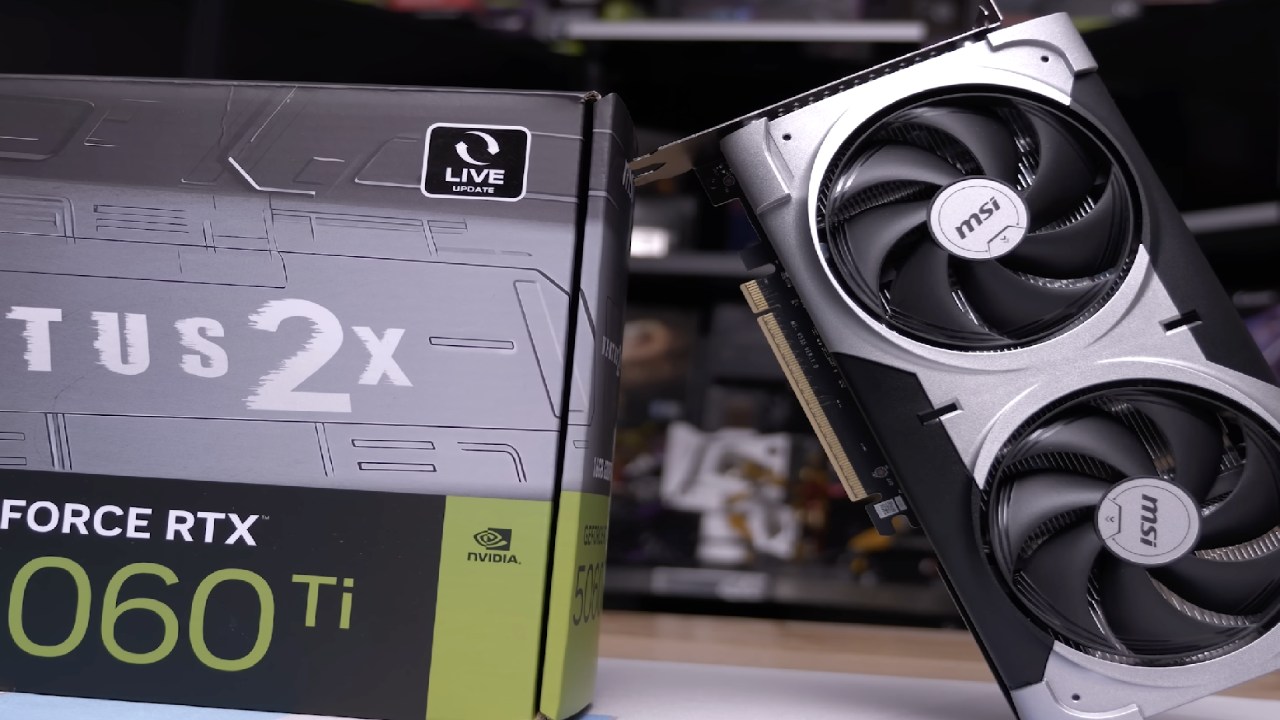
With DLSS4 on GeForce and FSR4 on Radeon, upscaling can greatly improve speed while maintaining image quality. When you compare these two cards in different games, you can see how their performance differs and how upscaling changes the game.
Overview of Upscaling Technologies
Modern GPUs feature advanced upscaling technologies that enable games to run at higher frame rates without sacrificing image quality. This is what DLSS4 on GeForce and FSR4 on Radeon do, though their result are not the same.
For judging real-life game situations, it's important to know how each one works. Different levels of FPS boost are available in upscaling modes like quality, balanced, and performance. This lets gamers find the best mix between speed and visual quality.
We tried 15 games at 1440p that support both DLSS4 and FSR4, comparing how well they work with native TAA and upscaling modes. Native TAA is used as a standard because its output looks the same on both GPUs.
DLSS4 is used on the RTX 5060Ti, while FSR4 is used on the RX 9060 XT. Most GeForce games got DLSS4 support via driver patches, but some had it built in. Radeon games all used FSR4, toggled on and off in the driver.
Test System Specifications
To make the comparison fairer, both GPUs were tested on the same computer with a Ryzen 7 9800X3D CPU, 32GB of DDR56000 CL30 memory, and the most recent Windows updates, game patches, and GPU drivers.
Both graphics cards were ASUS Prime models that had been factory overclocked to about the same level and had similar coolers and designs.
At the time of testing, the Prime RTX 5060Ti 16GB cost $530, and the Prime RX 9060 XT 16GB cost $440. This is because neither GPU is currently available at MSRP.
Game Performance Breakdown
At native 1440p, Horizon: Zero Dawn Remastered didn't show many changes between the two cards. The RTX 5060Ti was 3% faster with TAA but only 1% to 2% faster with upscaling, so both GPUs were pretty much the same. At the top setting, quality upscaling increased FPS by 19% on both cards.
The RTX 5060Ti was 14% faster across all upscaling modes, giving GeForce a clear edge in Ratchet & Clank: Rift Apart. In FSR4 quality mode, the RX 9060 XT still achieved 75 FPS, which was good enough for gaming.
In The Last of Us Part I, GeForce achieved slightly higher FPS at native 1440p, 3% higher than AMD. This increased to 6-7% faster when DLSS4 balanced and speed modes were used. FSR4 had slightly smaller boosts, with only 37% improvement in balanced mode compared to 42% for DLSS4.
When upscaling was used, Marvel's Spider-Man 2 showed that the GeForce GPU had a bigger edge. The RTX 5060Ti's average FPS increased by 49% with Quality DLSS4, while the RX 9060 XT's increased by 33% with FSR4. This gave GeForce a 16% lead, which rose to 20% in balanced mode, but both GPUs could still average 60FPS.
The Last of Us Part II showed nearly identical performance at 1% lows. However, GeForce still had a 5-7% edge in average FPS when scaling up.
Ghost of Tsushima was slightly better for Radeon; the 9060 XT got a few more frames per second, so it was pretty much a tie.
In Stalker 2, the RTX 5060Ti was always 7% faster on both native and upscaled settings. In intense areas, both GPUs struggled to maintain 60 FPS at epic mode.
In Marvel Rivals, GeForce was faster at native upscaling (12%) and quality upscaling (11% faster). Still, the difference was only 6–7% in lower rates.
Kingdom Come Deliverance II looked a lot like Spider-Man 2, and GeForce 10 percent faster when quality upscaling was used, hitting 100 frames per second in balanced mode.
When quality FSR4 was enabled, Star Wars Outlaws preferred Radeon, delivering a 45% boost over GeForce at 22%. This was the opposite of the 5060Ti's natural 7% lead.
GeForce still had a big advantage in Hunt Showdown; it was 45% faster at native 1440p, and FSR4 struggled to match DLSS4 quality.
The average speed of God of War Ragnarok was about the same on both GPUs, but Radeon had better 1% lows.
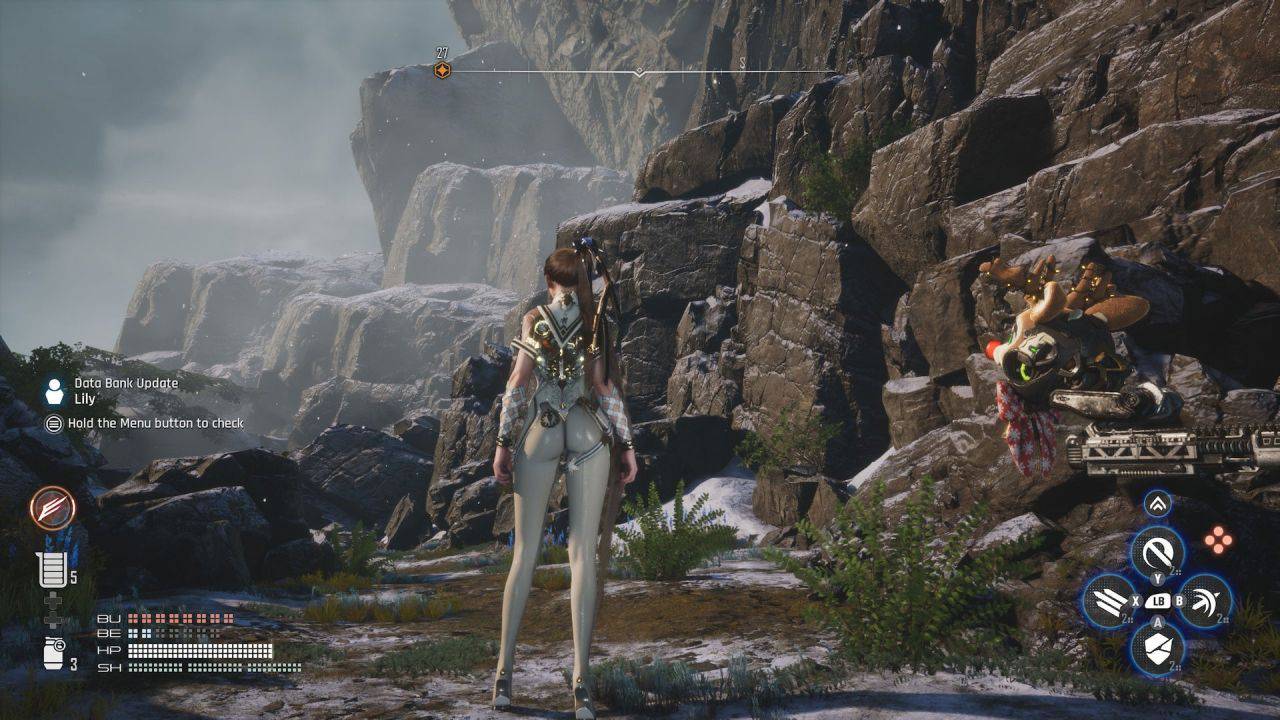
Stellar Blade showed Radeon's flaws. GeForce got 29% more frames per second at the original 1440p and 55% more 1% lows with quality upscaling.
In F1 25, Radeon caught up to GeForce at quality upscaling, with average FPS levels being the same. However, GeForce still had 1% lower lows.
Average Performance Across Titles
The RTX 5060Ti was 9% faster at native 1440p in the 15-game sample. Quality upscaling stayed ahead by 10%, while balanced mode was 10% faster and performance mode was 9% faster. Upscaling made a big difference on both GPUs.
In quality modes, frames per second were about 30% faster; in balanced modes, about 45% faster; and in performance modes, about 55% faster for games that normally run at around 60FPS. Games with lower baseline FPS will get even bigger boosts, while games with higher baseline FPS will get less.
Price vs Performance Considerations
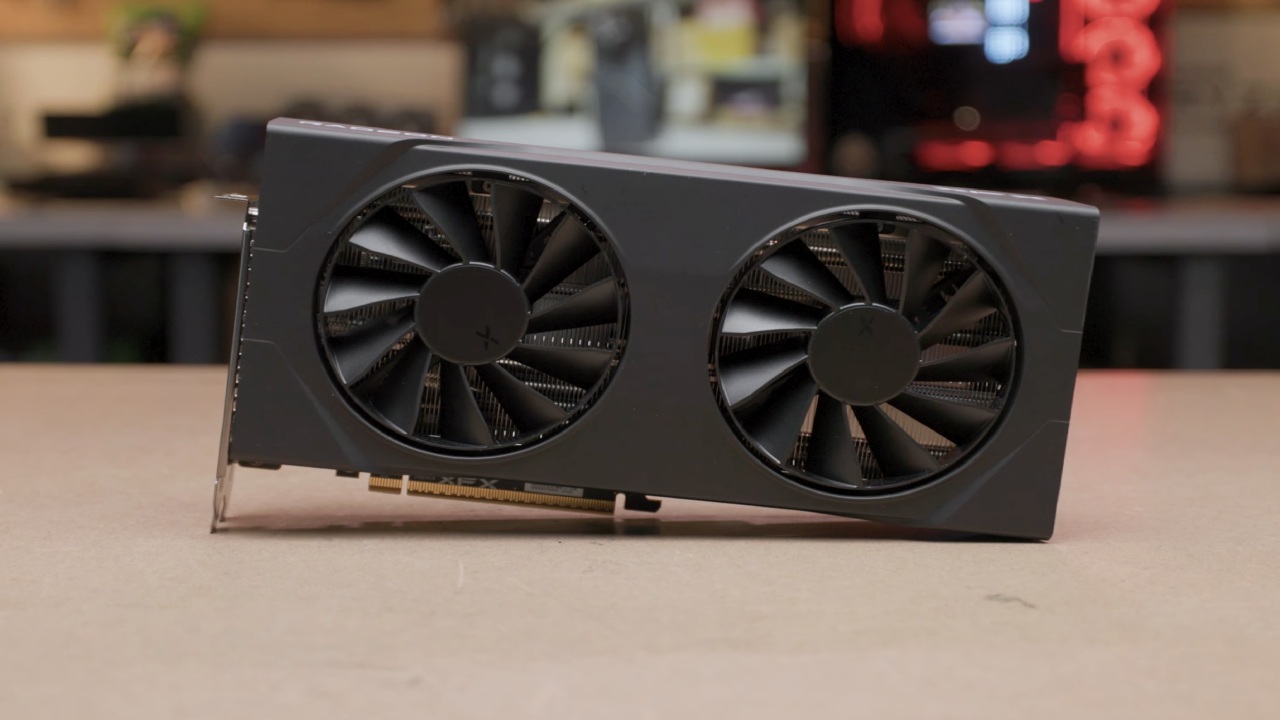
The Radeon RX 9060 XT 16GB costs $360 to $370 right now, while the RTX 5060Ti 16GB costs $480 to $450. This means the GeForce is 25 to 30 percent more expensive for only 10 to 15 percent better average performance at 1440p-quality upscaling.
What makes the difference more important is the technology used for upscaling: In general, DLSS4 results are more stable and look better than FSR4 results. In addition, GeForce supports more games, while FSR4 still doesn't work with many popular games.
Final Thoughts
Upscaling makes gaming run much faster on mid-range GPUs, and most games can hit 60 FPS or more at 1440p Ultra settings. In most situations, the RTX 5060Ti has a slight edge in speed.
However, the RX 9060 XT is very competitive and costs less. DLSS4 usually offers better visual stability and broader compatibility, while FSR4 is still in development. In the end, both cards offer great 1440p gaming experiences; the choice comes down to price, game preferences, and upscaling feature preferences.
Also, check our other NVIDIA articles:
- NVIDIA GeForce RTX 5080 Review (2025): Still A 4K Gaming Powerhouse?
- NVIDIA RTX 5070 Review: Mid-Range Muscle or Marketing Hype?
- RTX 5070 Ti Review: Performance, Thermals & Power Efficiency Tested
- ASUS GeForce RTX 5090 LC Liquid Cooled GPU Review: Unmatched Silence & Speed
- INNO3D RTX 5060 Ti 16 GB X2 Review: Gaming Benchmarks, Temps, and Power Efficiency
- HP Omen 45L Review: RTX 5090 Performance, Thermals, and Value Analysis
- ASUS TUF Gaming GeForce RTX 5060 Ti Review: DLSS 4, Power Efficiency, and Gaming
- ASUS Prime RTX 5060 Ti OC 16GB Review: DLSS 4, Ray Tracing, & Thermals Tested
- NVIDIA GeForce RTX 5060 Review: Specs, Gaming, and Cost per Frame
- MSI GeForce RTX 5090 GAMING TRIO OC Review: A Monster Power GPU
Contributor, NoobFeed
Gaming Hardware Updates
No Data.