

NVIDIA Expands RTX 5070 Laptop Lineup with New 12GB VRAM Variant
NVIDIA expands RTX 5070 Laptop GPU lineup with 12GB VRAM variant while retaining identical core architecture and bandwidth configuration.
Hardware by Nakiro on Apr 29, 2026
The handheld market for GPUs is honing its strategy toward efficiency, memory and product portfolio, and NVIDIA is now tinkering with one of its key laptop GPUs. The GeForce RTX 5070 Laptop GPU, an already popular laptop GPU in the RTX 50-series gaming laptops, is receiving an upgrade with 12GB of GDDR7 memory. This is a 50% increase in memory from the 8GB model, but no improvements in silicon or performance.
This is not a typical refresh with performance gain, but a need to catch up to the current gaming ecosystem and supply chain, while still not touching the silicon and core design.
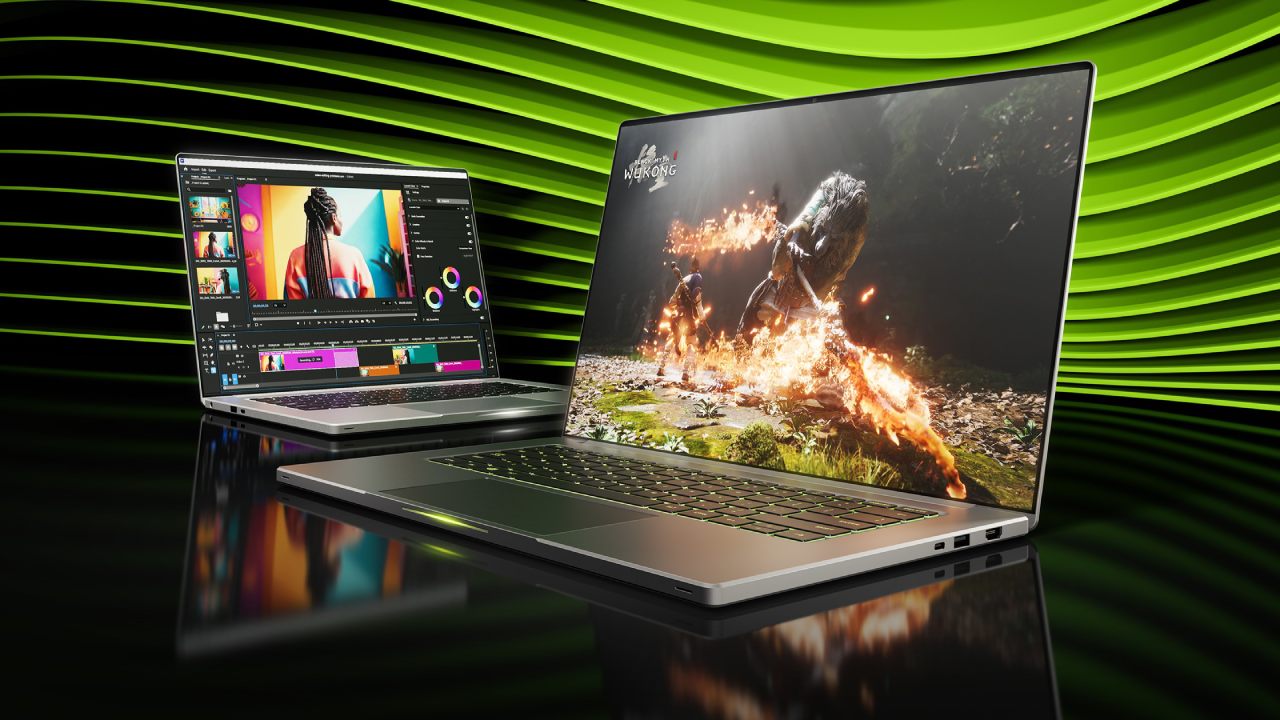
A New GPU with More Memory
The RTX 5070 Laptop GPU is an important mid- to high-end laptop GPU for gamers looking for performance but not willing to pay for high-end GPUs. With the new 12GB version, NVIDIA is not cutting short the 8GB version. Instead, both models will be available and offer more choice in the same product line for OEMs and their customers.
Crucially, the compute side of the GPU remains unchanged. The GPU is still based on the same Blackwell GB206 chip with 4608 CUDA cores, 144 texture mapping units and 48 ROPs.
As a result, the performance for traditional rasterization workloads as well as ray tracing workloads is unchanged between the two memory configurations, with the main difference being the amount of memory available in memory-intensive applications.
How the 12GB Configuration Works Without Changing Performance
The most exciting part of the update is how NVIDIA increased the capacity. The new NVIDIA RTX 5070 Laptop GPU still has a 128-bit bus and 384 GB/s bandwidth at 24 Gbps, hence the memory throughput and memory controller design haven't changed.
The increase in capacity is instead due to a change in memory density. The 8GB version used standard 2GB (16Gb) GDDR7. In the 12GB version, these are replaced with denser 3GB (24Gb) GDDR7 chips. NVIDIA can thus boost VRAM capacity without having to alter the PCB design, memory controller or the GPU die itself.
This is effectively a capacity-only upgrade. Throughput doesn't increase, so scaling will be very dependent on whether the game is VRAM-limited or compute-limited.
Supply Constraints and Market Strategy Behind the Change
NVIDIA says the launch of the 12GB version is a response to memory availability pressure and market demand. This is a short explanation, but it is representative of a broader shift in the market where memory supply and distribution is playing an increasingly significant role in the design of GPUs.
The trend towards higher density GDDR7 memory chips implies that memory manufacturers are favoring higher capacity chips, reducing the need to add physical memory packages to increase the overall VRAM capacity of GPUs. This offers NVIDIA a practical benefit: it can offer a range of products without altering the hardware or production schedules.
Meanwhile, game workloads have become very different. Newer games, especially those with better resolutions with ray tracing and AI-powered improvements, need more VRAM. The 8GB version is still enough for a lot of things, but it's also getting in the way of recent AAA titles. The 12GB version can help with this problem.
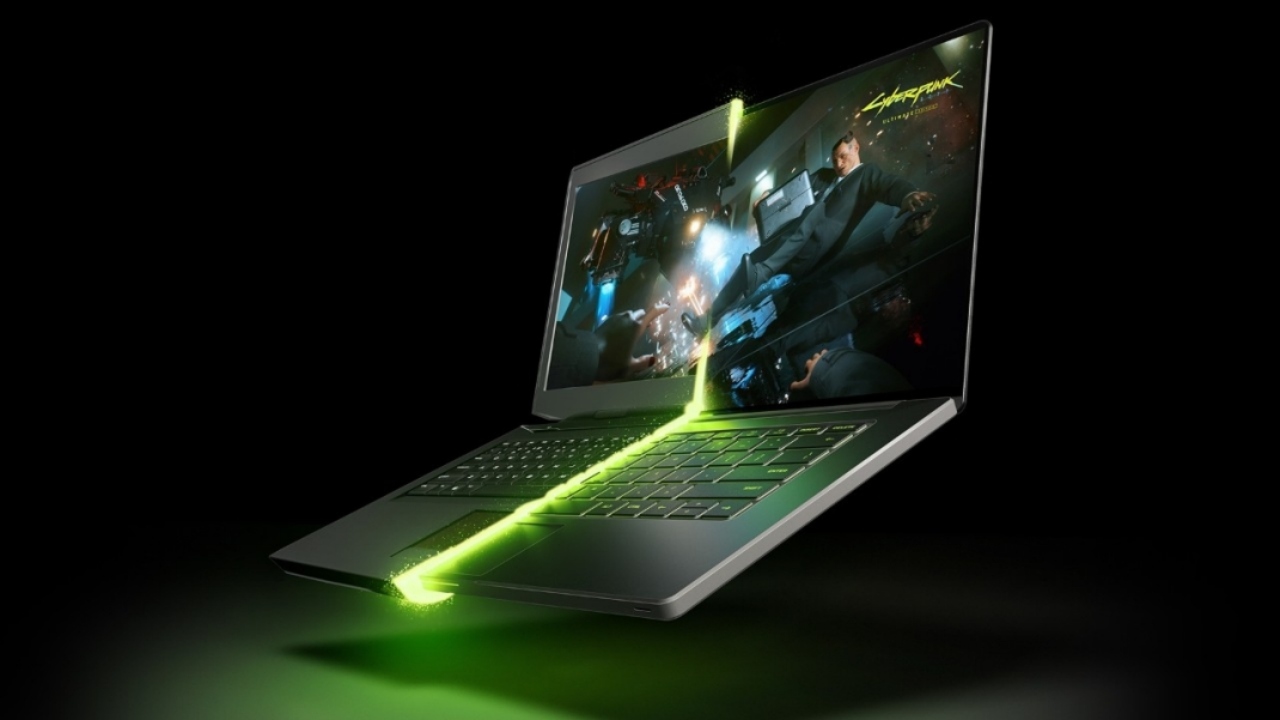
A New Layer in the RTX 5070 Product Stack
The new 12GB RTX 5070 will not automatically push the 8GB RTX 5070 out of the market, and will not replace the more expensive RTX 5070 Ti, which also comes with 12GB of VRAM. Rather, it adds more complexity to the product line.
The 8GB RTX 5070 is still the entry-level model for "gaming" laptops. Then, the new 12GB version sits on top, delivering longer lifespan and better performance for VRAM-intensive tasks without boosting overall performance. At the same time, the higher-performance RTX 5070 Ti still offers higher total GPU performance.
This setup offers consumers a more flexible option. Rather than going from an 8GB mid-range GPU to a higher-performance Ti version, consumers can choose to compromise on the latter's power in return for more memory.
12GB VRAM RTX 5070 Laptop GPU is not about increasing performance right now, but about future-proofing.
With no changes to the GPU specifications, gamers should expect no performance gains in GPU-limited games. But the extra memory makes new games that use more than 8GB VRAM run better, especially at 1440p and higher resolutions or when using high-resolution texture packs.
The 8GB version is still a good choice for gamers on a small budget that play esports games or AAA titles that don't use a lot of memory at lower settings. But it has a decreasing margin for growth as games consume more memory.
The 12GB model, on the other hand, is the more future-proof option at the same price point. It doesn't alter the RTX 5070's performance class, but it does ensure that future games won't be bottlenecked by VRAM.
For the RTX 5070 Ti, the choice is now less about VRAM and more about whether the extra compute power is worth the extra cost. By bridging the memory gap, NVIDIA has returned the focus to GPU performance and away from memory capacity.
At a time when laptop GPUs are increasingly characterised by efficiency and segmentation, rather than generational shifts, this change is a fine-tuning of NVIDIA's mobile approach.
Editor, NoobFeed
Latest Articles
No Data.