
Intel Arc G3 Extreme Delivers Impressive 1440p Docked Gaming Performance
Intel Arc G3 Extreme delivers stronger 1440p gaming performance after higher docked power limits unlock additional GPU potential.
Hardware by Shinji Okazaki on Jun 30, 2026
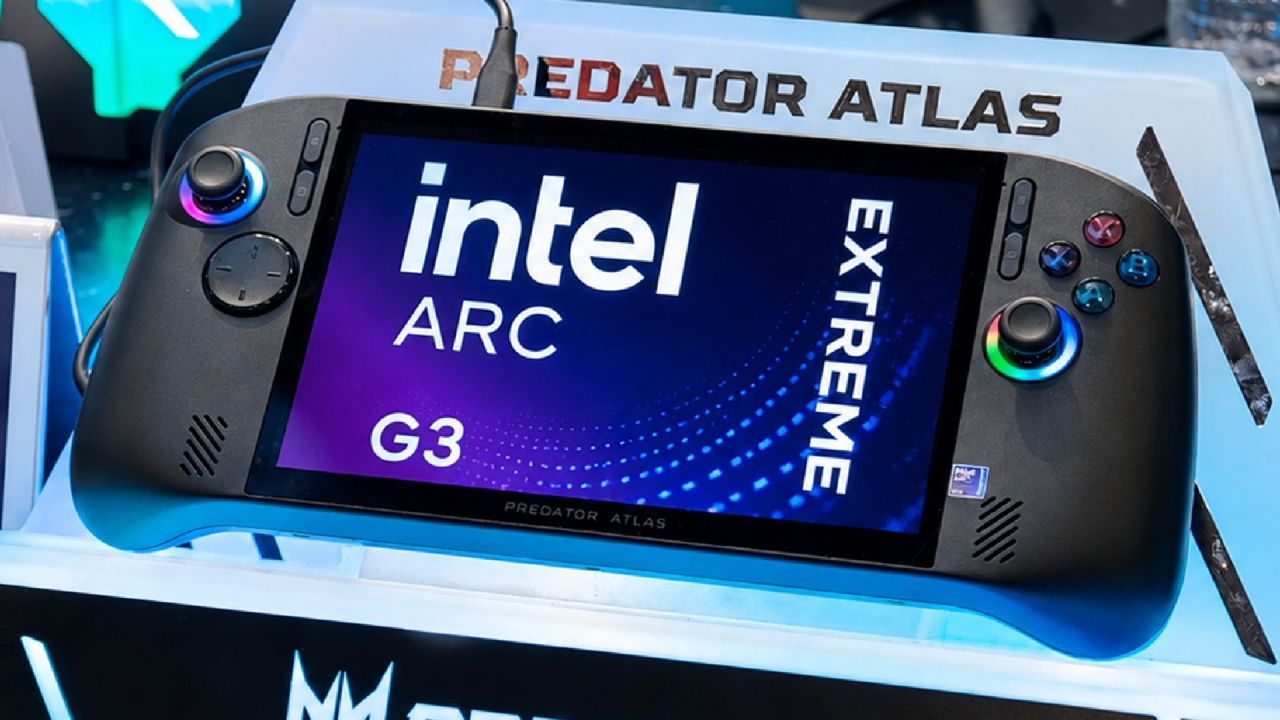
Handheld gaming PCs are still closing the gap between handheld and desktop gaming. Newer processors deliver more CPU and GPU power, so these systems are no longer limited to 1080p gaming. The latest example is Intel's Arc G3 Extreme, which can deliver enough power to run the most demanding AAA titles at 1440p with a dock and higher power limits.
The chip has been tested in the MSI Claw EX AI+ and OneXPlayer 3 and shows a significant performance boost once it leaves the standard handheld power setting. Intel Arc G3 Extreme processor features 32GB of LPDDR5X memory running at 8533 MT/s on both the MSI Claw EX AI+ and OneXPlayer 3.
A Different Experience of Power Limit
These handhelds are usually restricted to ~35W out of the box. That level of power is enough for portable gaming, but it's a different ballgame when docked. The Intel Arc G3 Extreme can deliver a much more viable 1440p gaming experience by raising the power limit on both the CPU and integrated Arc B390 GPU.
The processor's power limit with ThrottleStop was raised from the default 35W to around 52W. In the game, power consumption stayed between 48W and 50W, though it didn't reach the maximum limit. A power measurement during CPU stress tests showed the processor using about 43W, and adding GPU load brought the total to about 54W.
This seems to be the case when playing games, though, where the system remained in the 48W to 50W range, meaning both the CPU and the GPU were clocked much higher than the stock settings. Obviously, this is designed for docked games, not battery use. The extra power comes directly from an external display via the USB Type-C or an HDMI dock.
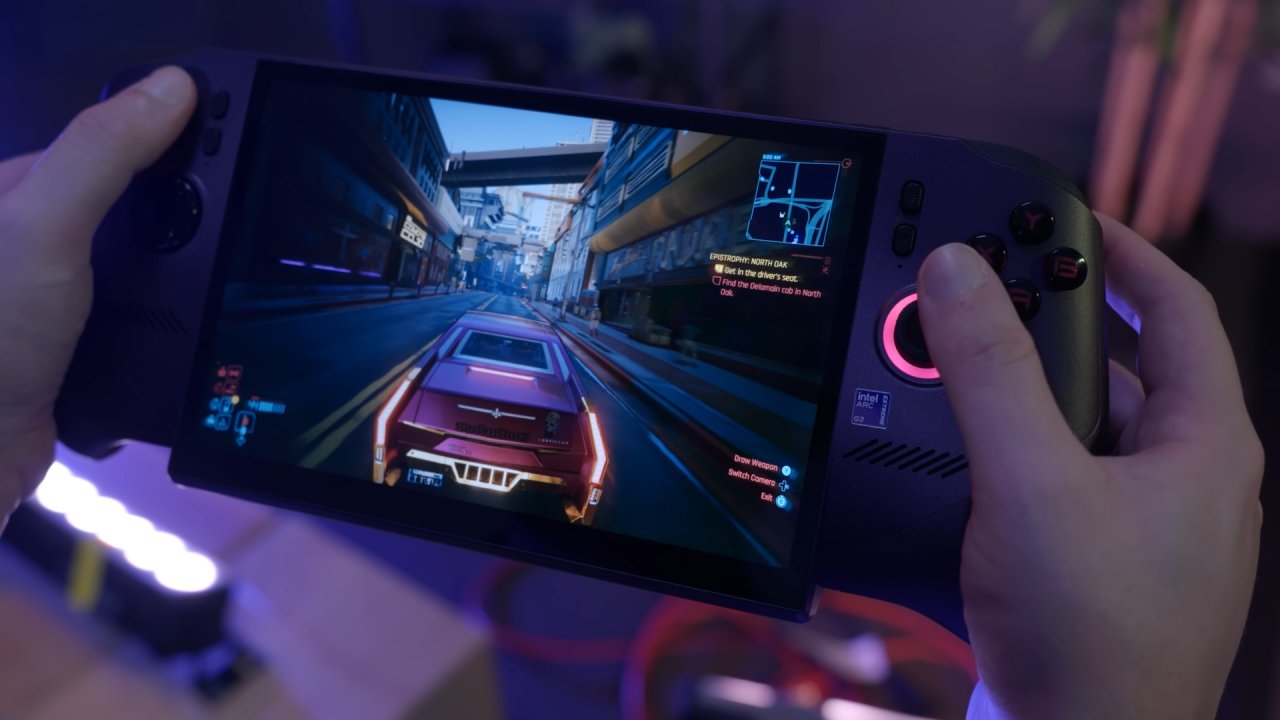
Cyberpunk 2077 at 1080p and 720p
We tested Cyberpunk 2077 at 1440p on the High preset with XeSS Quality enabled. Arc B390 ran at about 50W, with clocks between 2300MHz and frame rates in the mid-50s. It didn't hit 60 fps, but it was still playable, given it was all running on an integrated GPU. Even closer to the 60fps goal by switching from Quality to Balanced in XeSS. The best results came from enabling Intel's XeSS Multi-Frame Generation.
Multi-Frame Generation boosts average frame rates to over 100 fps and keeps gameplay smooth with X3. Common frame-generation issues, including HUD artifacts and object distortions, were minimal. For this hardware, X3 still offered the best balance of responsiveness and image quality.
Forza Horizon 6 Also Delivered Good Performance
At the High setting with XeSS Quality enabled at 1440p, fps consistently stayed above 70, and the processor draw averaged about 45W. Currently, the game supports only DLSS Frame Generation, not XeSS Frame Generation, so Intel can only upscale. Still, if you want more performance, Balanced XeSS offers little to no visual quality loss.
Native 1440p doesn't meet the desired 60 fps limit, so upscaling is the better option to ensure smooth gameplay. Red Dead Redemption 2 comes out this year and exceeds expectations. This year, Red Dead Redemption 2 exceeded expectations. Average performance across Ultra, High, and Medium settings, combined with FSR 2 Quality, exceeded 65 fps.
While this game doesn't include XeSS, FSR 2 delivers solid performance. Faster still, with FSR set to Balanced, you get even more headroom while still maintaining a good compromise for those who want native 1440p image quality. With a VRR monitor, the game caps at 60 fps, delivering a smoother experience with little to no screen tearing in demanding scenes.
Mixed Results in Other AAA Games
One of the more challenging games was Ratchet & Clank: Rift Apart. At 1440p, on Medium settings with XeSS Balanced, frame rates sometimes dropped below 60 fps. Performance often reached 70 fps and 80 fps during light scenes, but would drop back down at times.
If the game uses VRR, VRR-capable displays help minimize fluctuations during play. Fallout 4 did not have any of these issues. Older games have seemed to benefit from the extra power budget, with frame rates regularly exceeding 90 fps at Ultra settings and 1440p.
The game was another challenge for Intel's integrated graphics, and Crimson Desert remains one of the hardest games. At Medium settings, XeSS Balanced and Multi-Frame Generation X3 averaged over 70 fps. Stutters still occasionally appear, as they have since the game's release, but driver updates have improved stability.
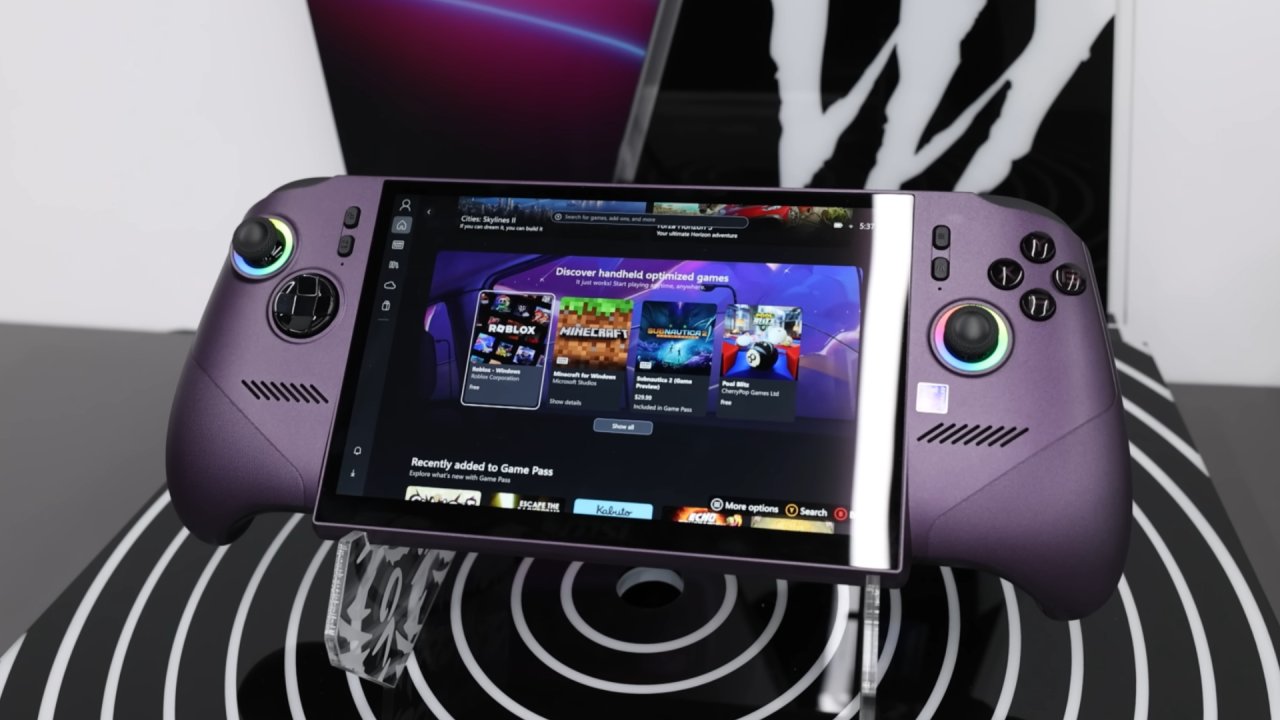
If Intel bumps the Arc G3 Extreme from 35W to about 50W, it becomes a serious living-room gaming computer.
Its integrated GPU benefits directly from the extra power, letting you play many newer games at 1440p. With XeSS upscaling and, if available, Multi-Frame Generation (MFG), high-end games like AAA titles are much more accessible on smaller devices. Though some games still require compromises in settings or scaling mode, the overall results show that the handheld platform is powerful and offers a lot when power constraints are lifted.
At present, the performance and compatibility of the Intel Arc G3 Extreme while docked are already decent, and driver updates will continue to improve them over time. The new handhelds are quite versatile, thanks to the higher power limit and the Arc B390 integrated graphics card, for those who want to use their handhelds as portable gaming machines and living room systems.
Editor, NoobFeed
Gaming Hardware Updates
No Data.