
SteamOS vs Windows Handheld: Ultimate Gaming Performance & Battery Showdown
Discover how optimising power presets on Steam OS dramatically improves frame rates and extends handheld gaming sessions
Hardware by Tanvir Kabbo on Jul 08, 2025
Following the latest update, a direct comparison of Steam OS and Windows reveals significant differences in both gaming performance and battery life. Side‑by‑side testing on identical handheld hardware highlights how each operating system handles power, frame rates, and overall user experience.
You'll gain insight into where each environment excels, allowing you to decide which platform best suits your portable gaming needs.
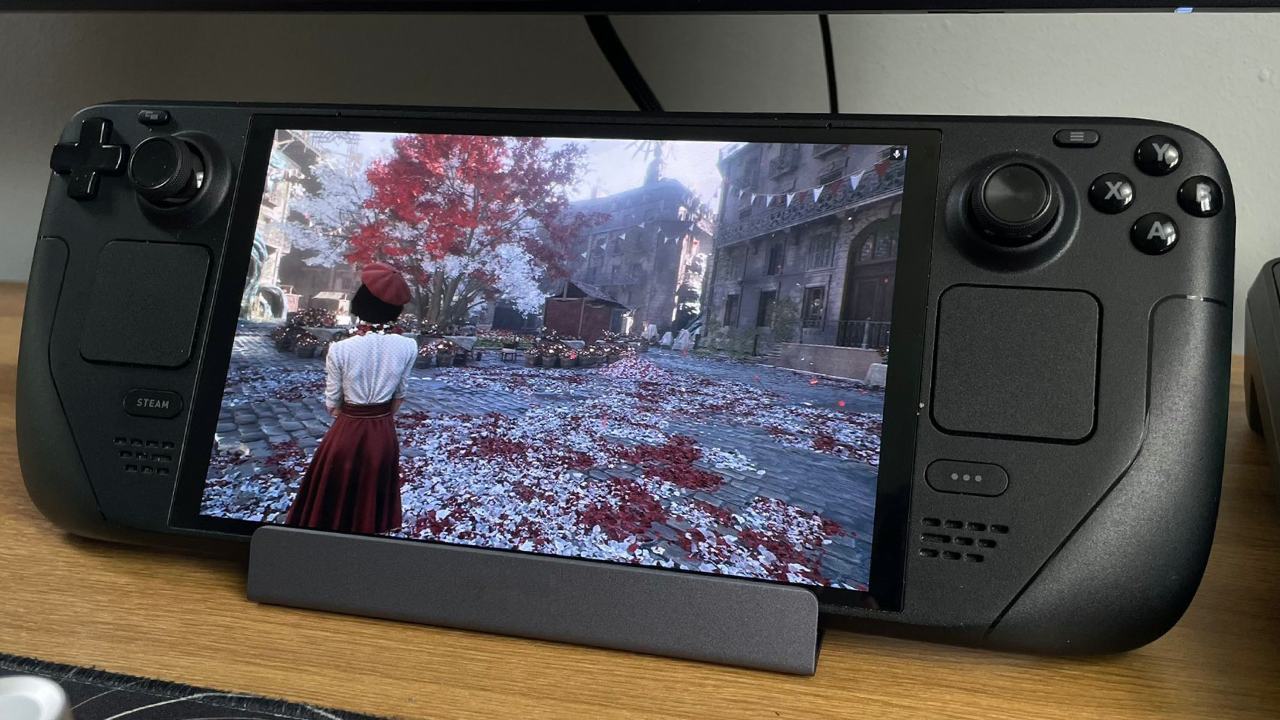
Performance Comparison
Benchmarking the same titles on Windows and Steam OS under equivalent power presets reveals consistent gains for Steam OS.
In Expedition Performance, Windows in turbo mode averaged 37 fps, while Steam OS achieved 58 fps at the same wattage. Dropping to performance mode (17W) on Windows yielded 32 fps, while Steam OS still managed 46 fps, demonstrating a substantial improvement in frame delivery.
Kingdom Come: Deliverance 2 further illustrates Steam OS's advantage. In silent mode (13W), Windows achieved 27 fps on low settings with AMD FSR set to Balanced, compared to Steam OS's 34 fps.
Both systems achieved 56 fps in performance mode, but turbo mode increased Windows to 59 fps and Steam OS to 70 fps—an improvement of over 10 fps that highlights Steam OS's optimizations for rapid graphical rendering.
Oblivion Remastered shows a smaller yet notable gap. Turbo mode on Windows reached 36 fps, while Steam OS reached 40 fps. Frame generation on Windows Turbo climbed to 59 fps, while Steam OS registered 57 fps—a narrow difference that still favors Windows when interpolation is enabled.
For lighter titles like Dave the Diver at 7W, Windows managed 25 fps, and Steam OS reached 30 fps, underscoring Steam OS's ability to extract more performance even at minimal power draws.
But Steam OS's frame rates were more erratic, while Windows' average outputs were more stable, giving you more assurance about the game's steady pacing.
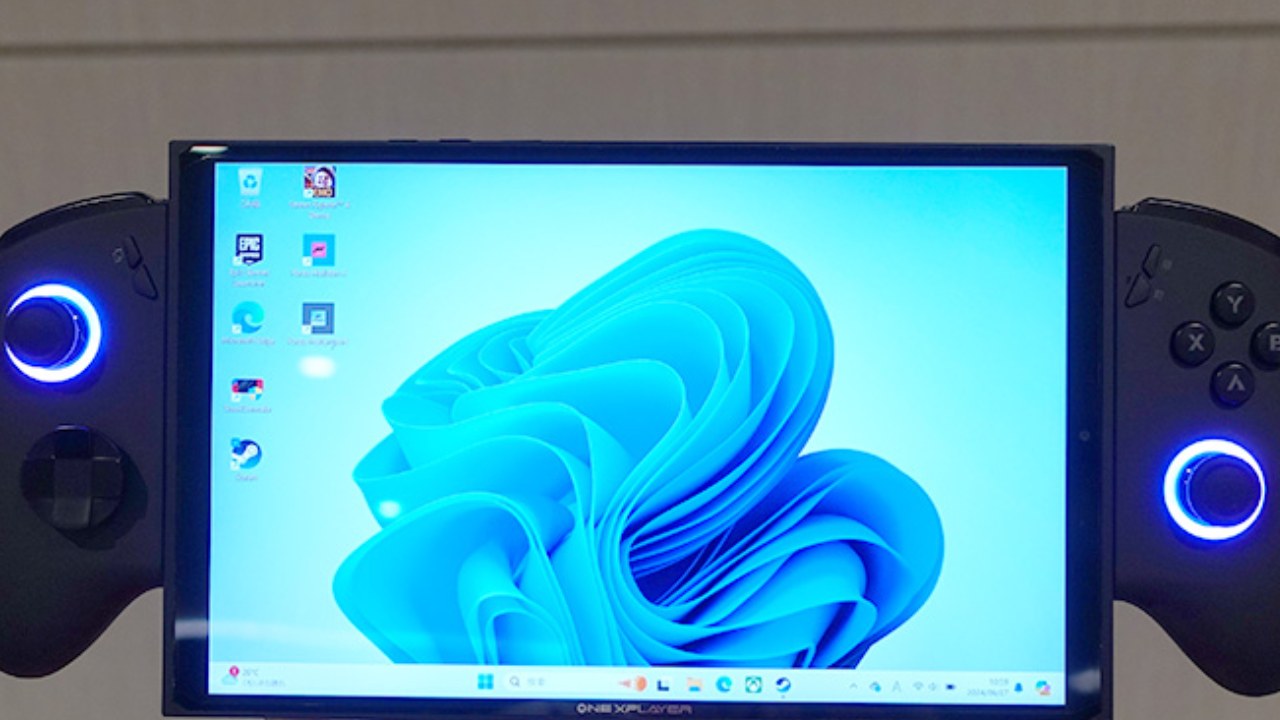
Comparison of Battery Life
Nearly equal runtimes are observed when endurance testing is conducted using Oblivion Remastered with the same settings and power levels: Steam OS lasted 2 hours and 32 minutes, whereas Windows lasted 2 hours and 32 minutes.
The actual battery benefit of Steam OS emerges from its superior performance headroom—by achieving higher frame rates, we can dial down the TDP slider and still meet satisfying frame targets, which conserves energy.
Even if the power-limit tool on Steam OS draws slightly more power than its Windows counterpart, the net result is longer usable playtime at a similar visual quality.
Pros and Cons of Each OS
Windows offers broad compatibility and a familiar ecosystem, allowing you to access Game Pass, Epic, EA, and every other marketplace without needing a workaround.
Software layers like lossless scaling and AMD Adrenaline provide features that fine‑tune latency and image quality—if you're comfortable tweaking settings, you'll appreciate the depth. Frame rates are more consistent, reducing sudden dips when scenes change, and you enjoy full anti‑cheat support for online shooters.
SteamOS, by contrast, delivers a low‑maintenance, console‑like interface that 'just works' for most single‑player titles. We love its simplicity—you launch a game and play without wrestling with drivers or BIOS updates.
The streamlined experience feels cozy, yet you need to accept its limitations: certain multiplayer games and anti-cheat-protected titles remain unsupported, and services like Game Pass or Fortnite require workarounds that aren't guaranteed.
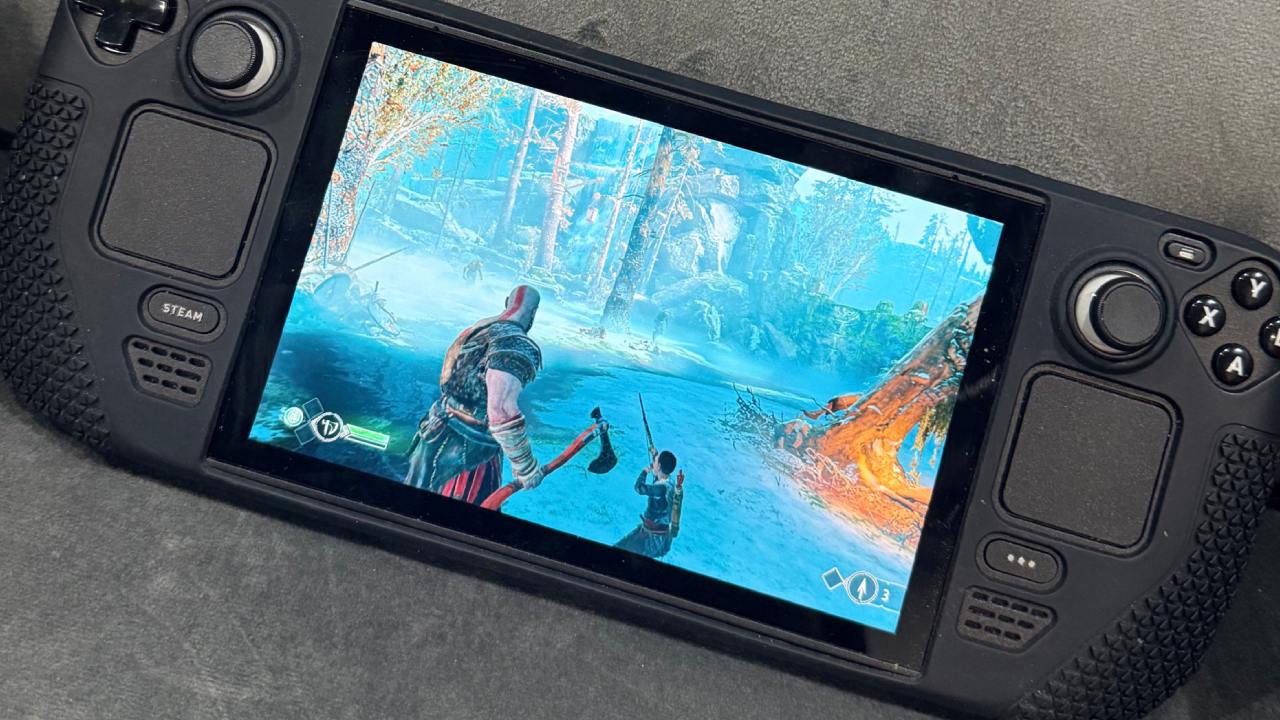
Key Takeaways
Looking ahead, the upcoming Xbox‑powered handheld promises a new take on Windows for portable gaming. While details remain sparse, its success could reshape the handheld landscape later this year.
Until then, Steam OS stands out for its on-the-go simplicity and performance efficiency, while Windows remains the all-you-can-eat option for the widest library and advanced feature set.
Check our Other Handheld Articles :
- ASUS ROG Ally X Handheld Review: Double the Battery, Double the Comfort
- Nintendo Switch 2 Vs. Original Switch 1: A Full Comparison
- How To Connect A Camera And Join Voice Chat With Nintendo Switch 2
- Nintendo Switch 2 Review: Handheld Performance, Features & Value Breakdown
- ROG Xbox Ally X Vs. ROG Ally X: Display, Battery & Controls
- ASUS ROG Ally X vs. Steam Deck OLED: Display, Battery & Gaming Benchmarks
- MSI Claw 8 AI+ Review: Display, Controls & Gaming
- Nintendo Switch 2 vs. Steam Deck OLED: Gaming, Performance, Battery, Display and Value
- Nvidia GeForce Now on Steam Deck: Battery Life, Gameplay, Streaming
- AMD RX 9070 XT eGPU Dock Paired with Lenovo Legion Go Review: 4K Gaming Benchmarks
Senior Editor, NoobFeed
Gaming Hardware Updates
No Data.