
Why Do In-Game Economies Often Fall Apart?
Other by Alicia Veerle on Jul 22, 2026
Anyone who has played a live service game for more than one season has witnessed an economy crash and burn silently. Gold that used to mean something is worth nothing. Rare drops are everywhere on the market. Prices in player-run auction houses skyrocket, until trading is no longer a concern. It’s a familiar cadence, and one that happens more often than developers would care to acknowledge.
Usually, there is no evil or laziness at the root. The trouble is most gaming economies are fun first, monetary policy second, if ever. That trick is great for brief bursts, but it buckles under the weight of years-long content pipelines and constant reward injections.

How Loot Drops Kill Player-Driven Markets
A generous spirit is intended to be conveyed by loot systems. Numerous activities, such as daily quests, login streaks, battle passes, and seasonal events, all contribute to the circulation of gold and gear, frequently with little thought for how this supply may be removed in the future. The end outcome of this is that there will eventually be an abundance of products that nobody truly wants because everyone already has one.
Older content suffers the most. When the rewards are no longer worth anything compared to drops that are newer, a dungeon or raid that used to feel significant becomes a farming afterthought. This is the first thing veteran players notice, because they're the ones sitting on currency that doesn't buy anything worth chasing anymore.
Currency Inflation Breaks Game Balance Over The Long Run
Games are no exception to inflation, just like the real world. There's just too much money going after too few things that matter. In the absence of the big drains of repair expenses, failures, or extra prestige buys, gold just accumulates. Player marketplaces see prices climb, pricing out new players on systems that veterans have taken for granted.
Digital marketplaces outside of gaming have had to solve similar trust and transparency problems as they scaled. If you're buying on collectible card game marketplaces like TCGPlayer, you may look at the price history and seller ratings to be sure you're getting a fair price.
NFT gaming platforms broadcast smart contract conditions and transaction fees on-chain in a transparent manner. Offshore casino sites provide payout rates and player protections so customers can assess the system before playing. Game developers managing virtual currencies face the same challenge: building systems transparent enough that players trust the value of what they've earned.
What Digital Marketplaces Can Learn from Real Economies
The similarities between virtual and real economies are becoming harder to ignore. Virtual currencies and live-service systems support free-to-play titles, which accounted for around 68.49% of worldwide gaming revenue last year. Economic design is a core discipline, not an afterthought bolted onto combat systems, because of that one number.
Academic researchers have begun to use real economic modeling on these systems. One paper from 2025 suggested employing agent-based economic simulations for MMOs, which allow you to simulate drop rates, taxes, and crafting costs before a launch, which allows you to detect inflation concerns well in advance of people encountering them. Essentially, stress-test policy like central banks do with interest rate tweaks. Except gear drops and gold sinks.
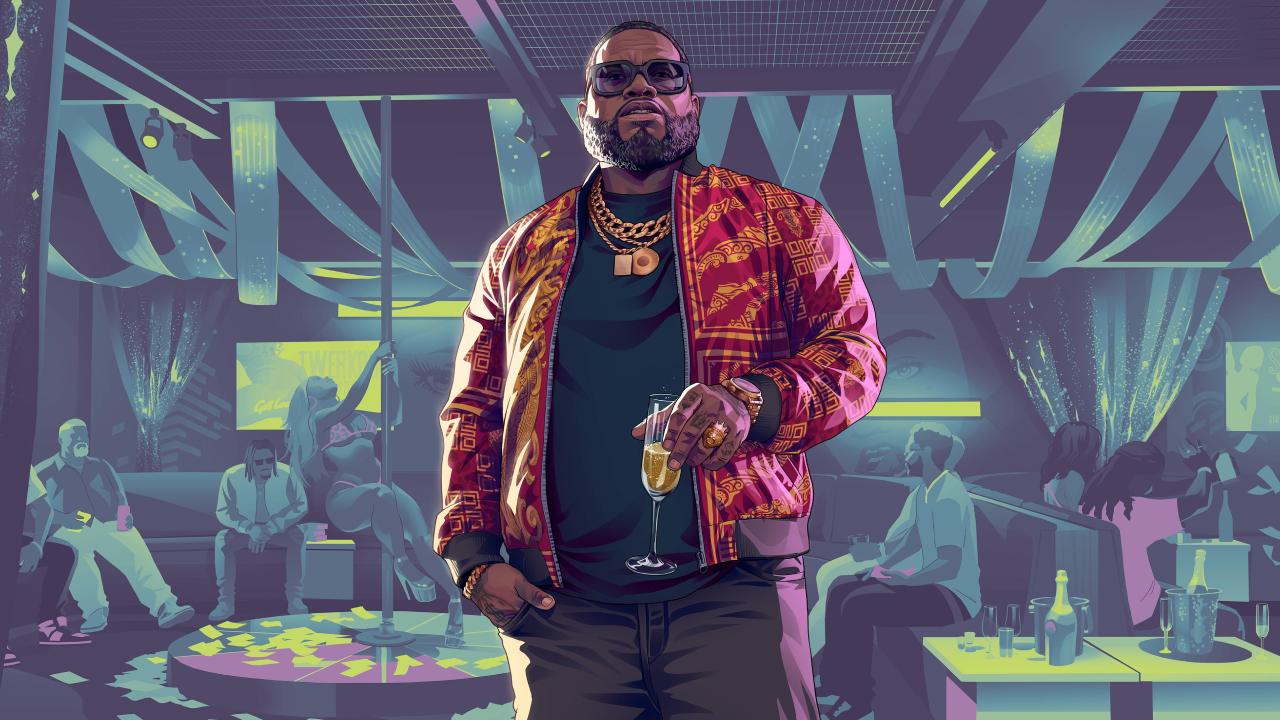
Small Changes That Could Make Game Economies Better
This does not include starting from scratch and designing a game from the ground up. To ensure that new content does not immediately render everything that came before it obsolete, developers can introduce optional sinks such as housing upkeep or cosmetic taxes, and limit rewards that could be farmed indefinitely. Exploits and duping are not bugs; rather, they are economic emergencies. Even minute gaps in the system can quickly distort entire markets.
Some studios are already on this path. A recent industry study on AI-driven economy monitoring shows that developers can prevent runaway inflation from killing player faith by using automated dashboards and circuit breakers, much like those used in real-world financial markets. Is this going to become the norm? We'll see. But the direction is obvious.
Virtual economies aren't going anywhere, and neither is the pressure they put on developers to think like economists and not just designers. Perhaps the most enduring games are those that can balance a currency as effectively as they can balance a boss fight.
Moderator, NoobFeed
Latest Articles
No Data.