
PC Handheld Market 2026: Best Devices for Every Budget
PC handheld prices and memory costs reshape the market, making older models and carefully chosen deals more important.
Hardware by Shinji Okazaki on Sep 02, 2026
In the past year, the market for PC handhelds has changed a lot. Devices that were getting cheaper and more common are now seeing prices rise, options shrink, and memory costs keep climbing. So, your budget and whether it makes more sense to buy new or used will play a big role in choosing the right handheld.
The PC handheld market still has plenty of room for improvement, and the biggest issues are fairly obvious. The RAM crisis has been one of the most prominent problems discussed over the last couple of years. Before, it was mostly hypothetical and something on the horizon rather than an immediate issue.
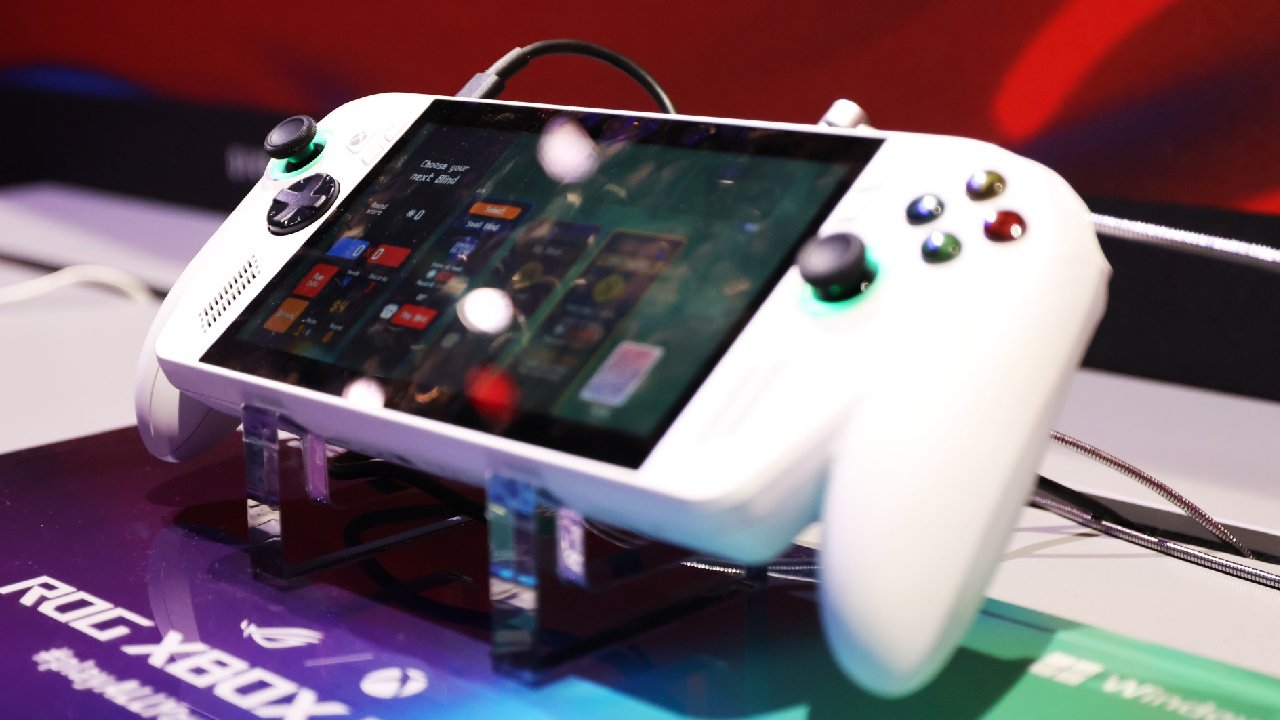
The State of the PC Handheld Market
The effects have also been felt in gaming console prices. Xbox, PlayStation, and Nintendo Switch products have all been affected by the changing market. The industry that has arguably been affected the most, and the one where these changes could fundamentally alter how people purchase devices, is the PC handheld market.
PC handhelds were finally reaching a point where they were becoming affordable. They were becoming more ubiquitous and commonplace than ever before. Before something like the Steam Deck, the idea of a PC handheld mostly stayed with boutique manufacturers and specialty buyers. No one put much effort into APUs as they do now, and the idea of an efficient, powerful chip for mobile gaming wasn't being considered on the same scale.
If someone wanted to game on the go, the usual options were a Nintendo system or a phone. Other than that, there were not many ways to play PC games away from a traditional computer. After a year of price increases and discontinued products, the question becomes what is actually worth buying in each category.
Budget PC Handhelds
The budget category used to be dominated by the Steam Deck, and for good reason. It was one of the most affordable options, although it also offered the least performance. Even before the RAM crisis became a major concern, the Steam Deck was becoming less of a good deal because some used-market options were significantly more powerful while costing much less.
That situation has changed. Many used-friendly options have started climbing in price because more people have realized that devices such as the ROG Ally and the original Legion Go used to be available for very little money. Around 8-9 months ago, used Legion Go units could be found for around $350, while some original Ally units were available for around $200.
Those were some of the best deals available, and many people who purchased those handhelds are probably still gaming on them today. In the current market, real upgrades can cost double what you originally spent, or even triple if you bought the original device used. That leaves relatively few good options. For the budget category, the standard white Xbox Ally is probably the best option available.
It regularly goes on sale for just under $500, and that is expected to remain the case going into the holiday season, particularly on Amazon. At its standard $600 MSRP, it is still not a terrible choice. Xbox Ally has a 120hz refresh rate and VRR, along with fairly nominal battery life. It isn't outstanding in any particular way with its Z2 Go chipset, and it isn't the fastest handheld available, but it is good enough for most people. It is certainly more competitive than the Steam Deck, which can cost nearly $1,000.
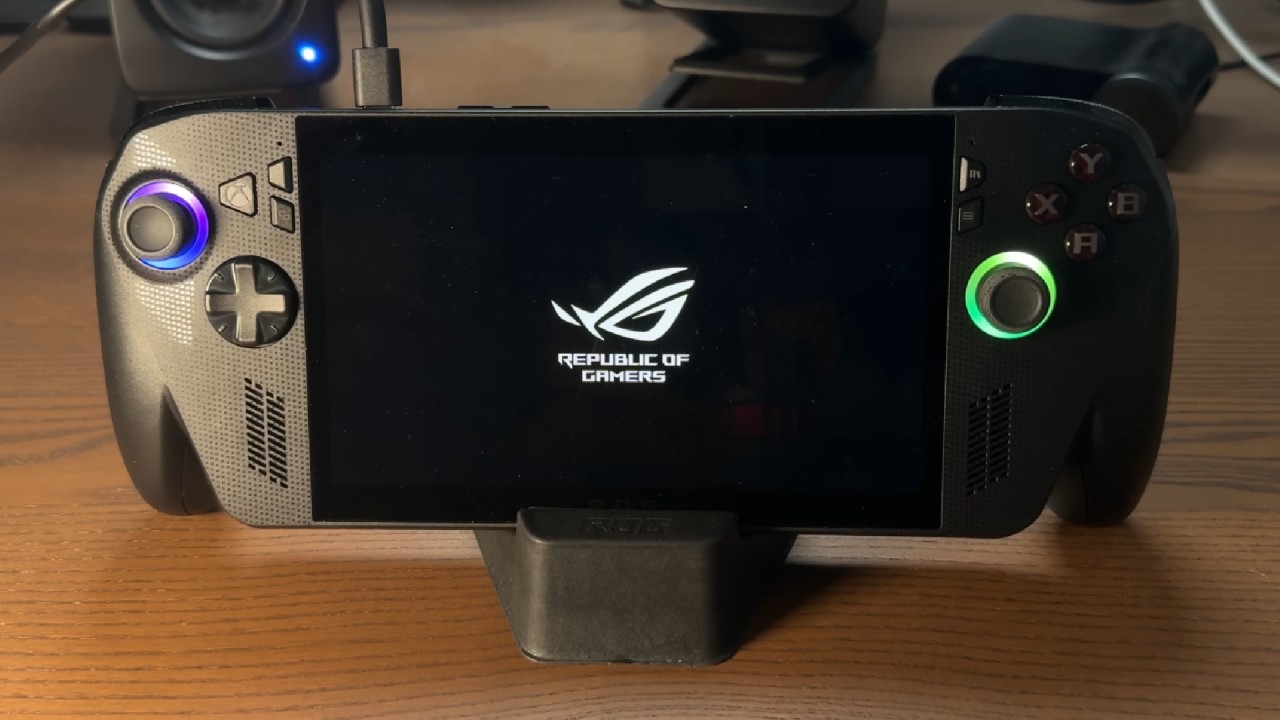
Getting the Xbox Ally for $600 is still a reasonable option in the current market. Used options are also available, including the original ROG Ally with the Z1 Extreme. Between the two, the Z1 Extreme-equipped Ally is probably the preferred choice, but finding one consistently in the $400-$500 range can be difficult. Xbox Ally units, on the other hand, are more consistently found around $600.
Mid-Range PC Handhelds
The mid-range category has probably been hit the hardest. It is difficult to find a handheld in the current market that costs less than $1,000. Almost everything sits above that price except for the base white Xbox Ally, making it difficult to recommend a new mid-range option. For anyone comfortable buying used, the mid-generation refresh of the original Ally, the ROG Ally X, makes a lot of sense. The device still holds up well in the current market.
One of the biggest advantages is its higher memory capacity. Modern handhelds such as the ROG Ally X use 24GB of memory, and having 24GB on a PC handheld makes a lot of sense. With 24GB available, you can allocate 8 GB to the iGPU and 16GB to the CPU, which is still a good balance for most people.
Depending on the games you play, you can also adjust the memory allocation. The iGPU could be reduced to 4GB while giving the CPU 20GB, or a 6GB and 18GB split could be used. It depends entirely on the games you play, but that extra flexibility and memory go a long way toward making more modern games playable.
The Z1 Extreme is still powerful enough for most people. It will not deliver 1080p gaming with ultra settings in every modern game, but it can still play most games at reasonable settings. ROG Ally X also has a 1080p 120Hz VRR display, the same display used in the current Xbox Ally. It may seem unusual that the same panel is still used, but it still meets this category's needs.
ROG Ally X also has an 84-85Wh battery and a more refined design that addresses several of the original Ally's shortcomings. Overall, it was a solid mid-generation refresh that still holds up well. The main thing to watch when buying one used is pricing. It is becoming increasingly common to see sellers asking too much for the device.
Ideally, spending more than $800 does not make sense. Some listings are approaching $1,000, and you should avoid those. The device originally sold for around $800-$900, so spending more than its original price makes less sense when the Xbox Ally X is available as an alternative.
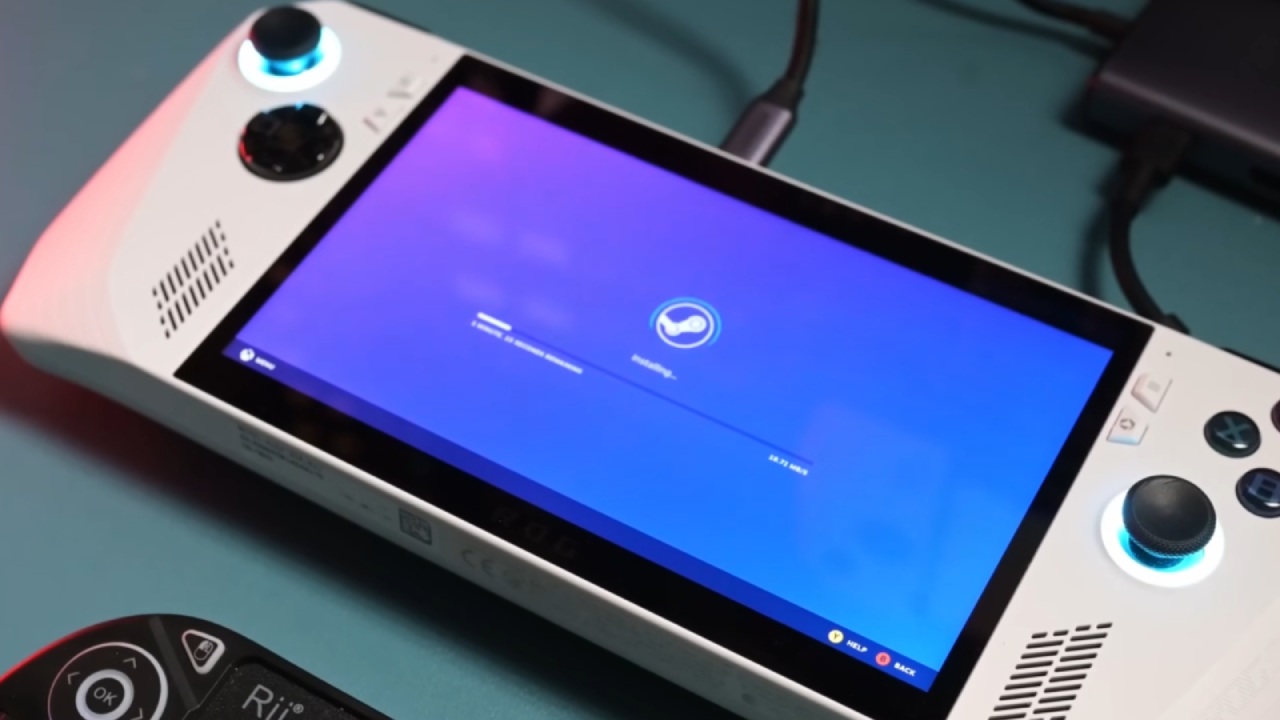
Xbox Ally X also has a design that may be preferred, especially its smaller joysticks and ergonomics, although both devices are attractive handhelds. The standard ROG Ally X remains a strong option. The important thing is not to overspend. A reasonable target for a used unit is around $600-$700, though you can sometimes find lower prices.
High-End PC Handhelds
The high-end category has plenty of competition. The Legion Go 2 arrived in October of last year, while the Xbox Ally X followed around the same period. A growing number of Intel Panther Lake handhelds and Strix Halo-based devices are also entering the market. Despite all those options, one clear choice stands out in the ultra-high-end category: the OneXPlayer 3.
OneXPlayer 3 offers enough different use cases, usability features, power, and pricing flexibility to stand out from the other options. At present, the device costs around $1,500. OneXPlayer 3 also benefits from the wider move toward newer Panther Lake handhelds. Some competing devices haven't even arrived yet, while others have been released but remain extremely difficult to find.
MSI Claw 8 AI+ X, for example, has been released but has been very difficult to obtain. That scarcity has also created opportunities for sellers to charge significantly more than the original price. For the ultra-high-end segment, however, the OneXPlayer 3 remains the preferred choice because it combines newer hardware performance with a range of use cases that make the higher price easier to justify.
Higher prices and limited availability are changing which PC handhelds.
The current PC handheld market is far removed from the period when a Steam Deck could provide an affordable entry point into portable PC gaming. Rising memory costs, discontinued products, and higher prices have pushed many handhelds into much more expensive categories.
For the budget segment, the white Xbox Ally is the most practical new option, especially when it's around $500. A used Z1 Extreme ROG Ally can still be a better deal when you find it at the right price. In the high-end segment, the OneXPlayer 3 stands out for its performance and flexibility, though its $1,500 early price and expected increase to $1,800 put it firmly in the enthusiast category.
The PC handheld market still has room to improve, but the current pricing environment has made choosing the right device much more important. A good deal can still make an older handheld worthwhile, while paying too much for an aging model can quickly turn a reasonable purchase into a poor one.
Editor, NoobFeed
Gaming Hardware Updates
No Data.