
2026 CPU Roadmap: AMD Zen 6, Intel Core Ultra 400, Nvidia N1X
The 2026 CPU roadmap highlights aggressive competition between established manufacturers and new entrants in consumer computing
Hardware by Tasnim Yoshi on Jan 25, 2026
A large number of new CPUs will be released in 2026. Confirmed roadmaps and leaks keep emerging, pointing to major changes from AMD, Intel, and even Nvidia. These launches include early refreshes, new architectures that are still being tested, and full generational leaps.
We put everything we know or have heard about the product below, including specs, expected performance, launch date, and how all of this affects buying decisions.
Early 2026 CPU Launches
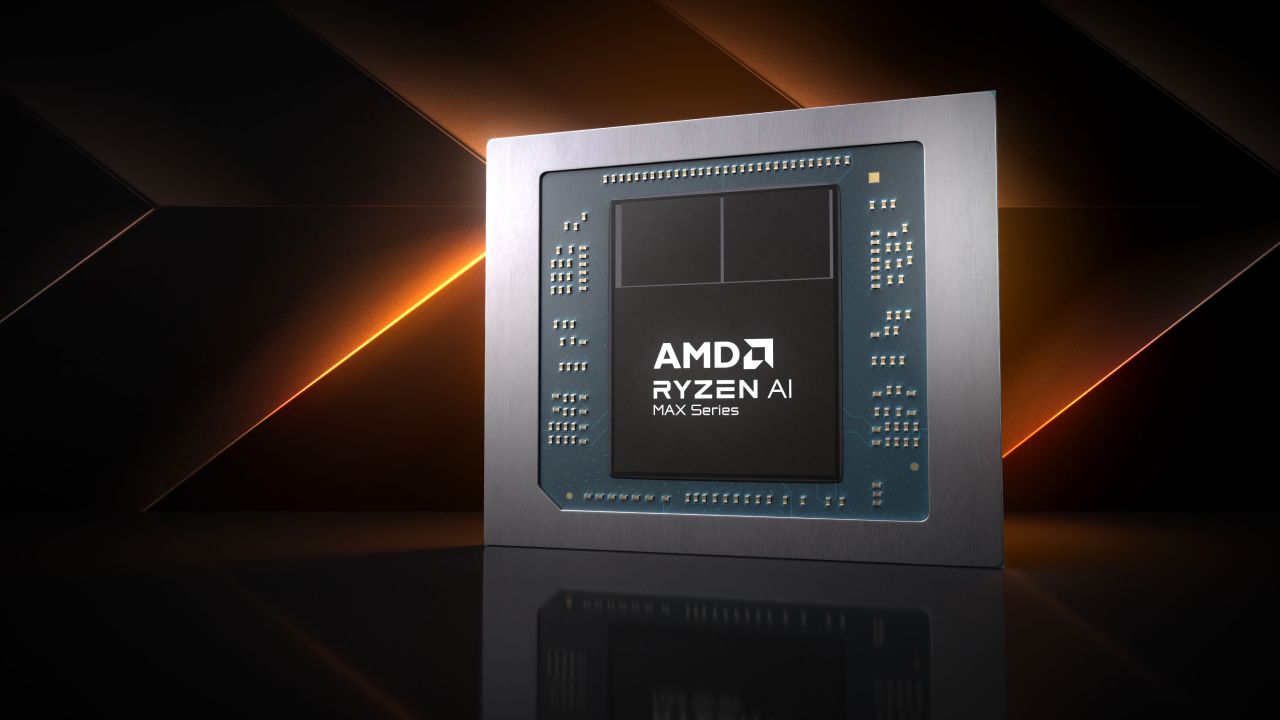
In the first half of 2026, the focus will likely be on refreshes and small upgrades rather than starting from scratch with new architectures. AMD and Intel will be the main companies releasing these new CPUs, but Nvidia will also be entering the consumer CPU market for the first time.
AMD Ryzen 9000 X3D Refreshes
People are saying that AMD will release new 3D V-Cache CPUs for its Ryzen 9000 line in early 2026. Ryzen 9950X3D2 and Ryzen 9850X3D are the two processors that people are most interested in.
Ryzen 9950X3D2
Ryzen 9950X3D2 is likely to have the same 16-core setup as the 9950X3D, but the architecture will be very different. It is said that both 8-core CCDs will have 3D V-Cache, not just one. This would raise the total cache from 128 MB on the 9950X3D to 192 MB.
The boost clocks are said to be about 100MHz lower than the 9950X3D, but the TDP is likely to rise to about 200W. The best thing about this is that all 16 cores can access V-Cache simultaneously. The new design could let all cores be used for both gaming and productivity tasks, unlike the 9950X3D, which turns off one CCD for the best gaming performance.
Many games still don't work with more than eight cores, but being able to use both CCDs could give you small improvements. However, there is still a worry about cross-CCD latency.
Ryzen 9850X3D
Ryzen 9850X3D appears to be a higher-binned, overclocked version of the very popular Ryzen 9800X3D. The only difference is that the clocks are higher, and leaks say that the core count, cache configuration, and TDP are all the same.
The 9800X3D has boost clocks of 5.2GHz, while the new one has boost clocks of 5.6GHz. Early tests show that synthetic scores increase by about 5%, but it's still unclear how much gaming will improve. People think these CPUs will be announced at CES 2026 and will likely be available for sale by March 2026.
Ryzen 9000G Desktop APUs
In the first half of 2026, AMD is also expected to launch new desktop APUs. BIOS updates have already added support for Ryzen AI 300 series parts. Leaks say that these APUs will be very similar to the current Ryzen 8000G lineup.
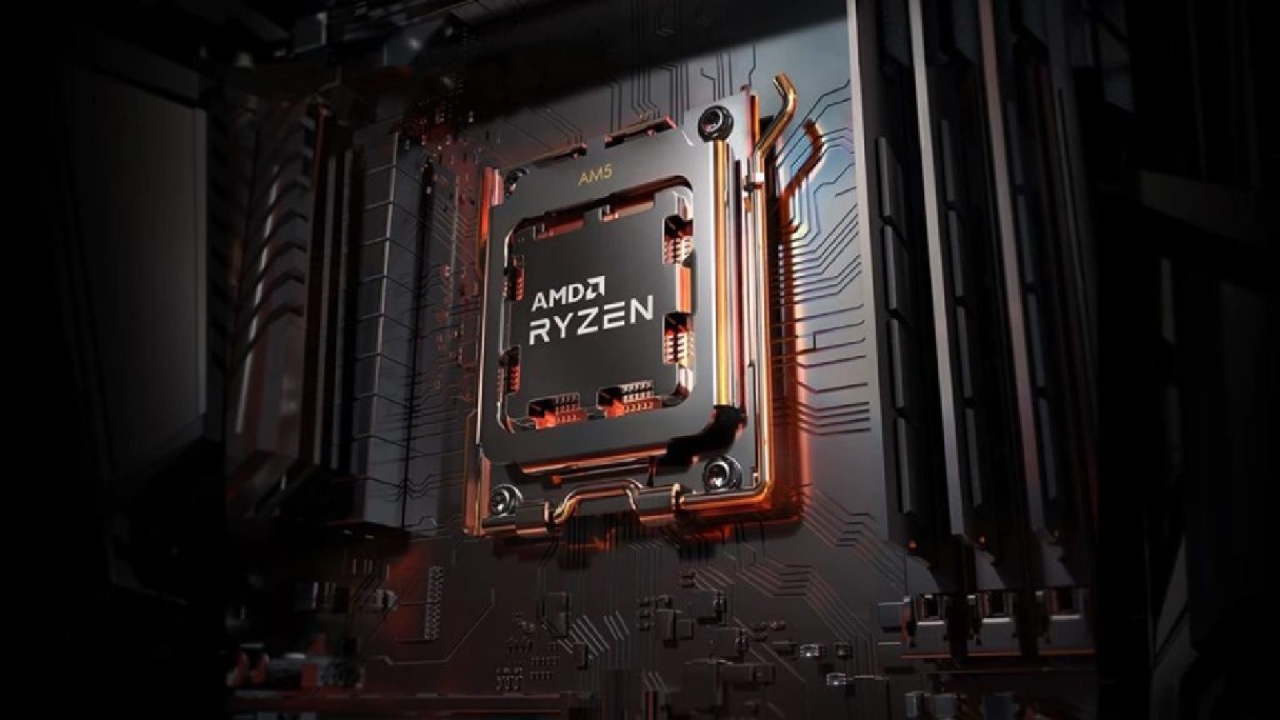
These APUs are still not very good for desktop gaming. They are still not worth the money for most builds because they have limited PCIe bandwidth, less cache, and high prices. Early reports suggest that clock speeds will only increase slightly, meaning desktop users will mostly forget about these CPUs.
Intel’s Early 2026 Comeback
Intel is getting ready to update its Core Ultra 200 desktop CPUs, and company leaders have confirmed this. The name of this update is Core Ultra 200 Plus series.
Core Ultra 200 Plus CPUs
Rumors say that this update fixes problems with both the hardware and the software that were present at the original launch of Core Ultra 200. People say that performance boosts can be anywhere from 10% on average to 30% in some games.
Unlocked Ultra 9, Ultra 7, and Ultra 5 CPUs are likely to be in the lineup. Ultra 9 290K Plus will have similar specs to the last generation, but the clock speeds will be slightly higher. Reports say the Ultra 7 270K Plus and Ultra 5 250K Plus will get four more E-cores, but their base clocks may drop.
There are rumors that memory support will increase from DDR5 6400MHz to DDR5 7200MHz, while TDP will remain the same. These CPUs will still work with the LGA 1851 socket and will be compatible with current Z890 and B860 motherboards after BIOS updates. This will be the last generation that works with that socket.
Prices should stay the same, but it's hard to say what the actual retail prices will be because there are so many discounts on current models. A CES 2026 announcement with a March 2026 release date is something many people expect.
NVIDIA’s First Consumer CPUs
Nvidia's ARM-based N1 and N1X processors are expected to enter the consumer CPU market in early 2026. These CPUs are actually APUs and are mostly designed for laptops and handheld devices.
The launch was supposed to happen in late 2025, but it was pushed back due to problems with silicon and the delay of a new operating system that would better support the ARM architecture. Previous ARM-based laptop CPUs had problems with software compatibility and performance that Nvidia seems eager to avoid.
People say that the N1X is based on the GB10 superchip, which has 10 high-performance cores, 10 efficiency cores, and a 6144-core integrated GPU that is about the same size as a mobile RTX 5070. The first uses are likely to be in high-end gaming laptops, with mini-PC desktop versions coming later. These are not expected to be desktop CPUs that fit into a socket.
Late 2026 CPU Launches
AMD and Intel will release next-generation platforms in the second half of 2026, when the biggest architectural changes are expected.
Intel Core Ultra 400 and 3D Cache CPUs
Intel has said that the first 3D cache CPUs will be part of the Core Ultra 400 series and will be available in late 2026. Intel calls its stacked cache design BLLC, which stands for "Big Last Level Cache."
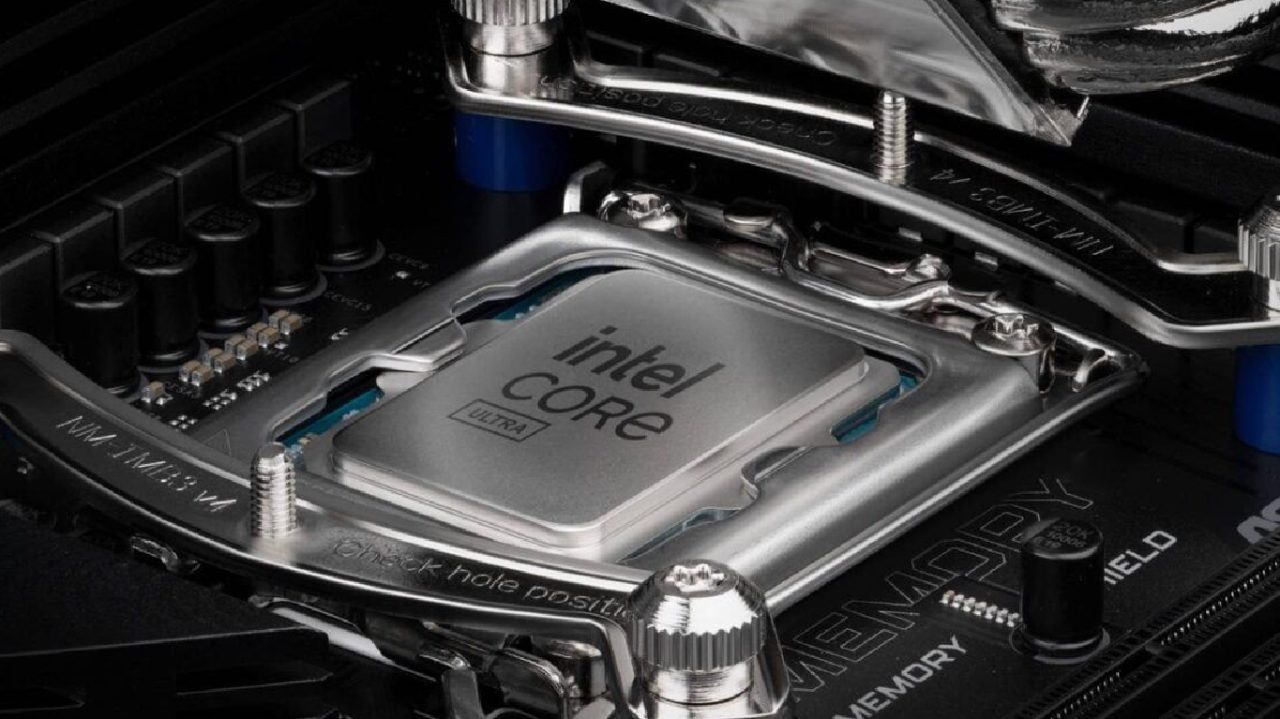
These CPUs will work with Z990 and B960 motherboards, as well as the new LGA 1954 socket. This socket is said to support four generations of CPUs, which would be a big change for Intel's platform longevity.
Core Ultra 400 BLLC Specifications
Core Ultra 400 series has a new three-tier core architecture with P-cores, E-cores, and LP cores that use less power. Four LP cores will be in all BLLC CPUs.
People say the best model will have 16 P cores, 32 E cores, two compute tiles, and 288 MB of L3 cache. The next level has 14 P cores and 24 E cores. The lower-tier BLLC models will have 8 P cores with either 16 E or 12 E cores and less cache.
The unlocked K and KSQ models are expected to come out first in the fall of 2026. The locked and cheaper versions will come out at CES 2027.
AMD Zen 6 Ryzen CPUs
AMD has confirmed that Zen 6 Ryzen CPUs will be available in 2026. Even though the name is still unclear, the architecture is a big step forward from Zen 5.
Zen 6 Core and Cache Changes
There are rumors that Zen6 will increase the number of cores per CCD from 8 to 12 and the L3 cache size per CCD from 8MB to 48 MB. This means Ryzen 5 CPUs have 8 cores, Ryzen 7 CPUs have 12 cores, and Ryzen 9 CPUs have either 16 or 24 cores.
The CPUs will still use the AM5 socket and support 28 PCIe 5.0 lanes.
Zen 6 X3D CPUs
It is expected that Zen 6 X3D CPUs will increase cache sizes significantly. Ryzen 7 X3D models might have 144MB of L3 cache, while the dual-CCD Ryzen 9 X3D CPUs could have 288MB of L3 cache and 24 cores.
Along with higher base memory support, new X970 and B950 motherboards are expected. There are rumors that a new EXPO 2.0 memory profile will be released, and the base DDR5 speed may reach DDR5 6400MHz. Some leaks say that EXPO 2.0 might only work with new motherboards, but this is still up in the air because it is based on profiles.
Should You Buy Now or Wait?
For most people, waiting for 2026 CPUs doesn't really help them in any way. Most of the products coming out in early 2026 are just updates or overclocked versions of products already on the market. The real improvements in generations don't come until late in the year, and even then, real-world gaming gains will be limited by GPU limitations.
Modern CPUs are already fast enough that even the best GPUs don't often have to worry about being limited by the CPU at 1440p or 4K. For example, a Ryzen 9800X3D is already more than enough for the best GPUs.
The price of memory is still up in the air, but recent trends point to stabilization rather than more rapid increases. If you wait, you might have to pay more for RAM and GPUs, but you won't know if they'll work better.
Buying Recommendations Right Now
Older platforms are still a great deal for budget builds. CPUs like Ryzen 5500 and a Radeon GPU work well together and don't have any problems with PCIe bandwidth. When you buy a motherboard and 16GB or 32GB of RAM together, you often get a great deal.
Discounted motherboard, RAM, and cooler bundles help offset the higher prices of DDR5 for AM5 builds. When paired with CPUs like Ryzen 7600X or Ryzen 7800X3D, these are still great options for gaming systems.
Building now gives you guaranteed performance, availability, and the certainty to stay competitive well into 2026 and beyond, unless you're going for the absolute bleeding edge and have no budget.
Also, check our other AMD articles below:
- AMD Ryzen 9 9950X3D Review: Setting The Standard For 2025 Gaming CPU
- AMD Ryzen 7 9800X3D Review: 3D V-Cache Goes God Mode with Stunning Gaming Performance
- AMD RX 9070 Performance Review: Thermals, Clocks, and Real-World FPS
- AMD Ryzen 5 7600 Review: Best Budget Gaming CPU of 2025?
- AMD Radeon RX 7800 XT Review: RDNA 3 Power For Midrange Gaming
- Sapphire NITRO+ AMD Radeon RX 9070 XT Review: The Ultimate 4K Gaming GPU
- AMD Ryzen 7 7800X3D: Delivers Gaming Performance Far Beyond Expectations
- AMD Ryzen 9 7900X Review: Powering the AM5 Era with DDR5 & PCIe 5.0
- ASRock Radeon RX 7800 XT Challenger OC Review: Best Price-to-Performance GPU of 2025
- Intel Core i9‑14900K vs. AMD Ryzen 7 7800X3D: Power Profiles & Gaming Benchmarks
Subscriber, NoobFeed
Gaming Hardware Updates
No Data.