
The Impact of AI Growth on DDR5 Availability and Hardware Pricing Trends
GPU pricing remains steady due to separate memory fabrication processes unaffected by current DDR5 supply constraints.
Hardware by Shinji Okazaki on Dec 09, 2025
There has been a lot of talk about the supply and demand problems with DDR5. There are several reasons why prices are rising so quickly. Some things are well-known, yet not everyone knows the whole story. Building PCs for 2025 has slowed due to discussions about tariffs, shifting import taxes, and changes in how people buy.
Some stores look busy, but it doesn't mean the whole market is. Due to inflation and the rising cost of living over the past few years, the major fabs that make RAM, Samsung, SKHynix, and Micron, started to hold onto their stock because it wasn't selling as quickly as they had hoped.
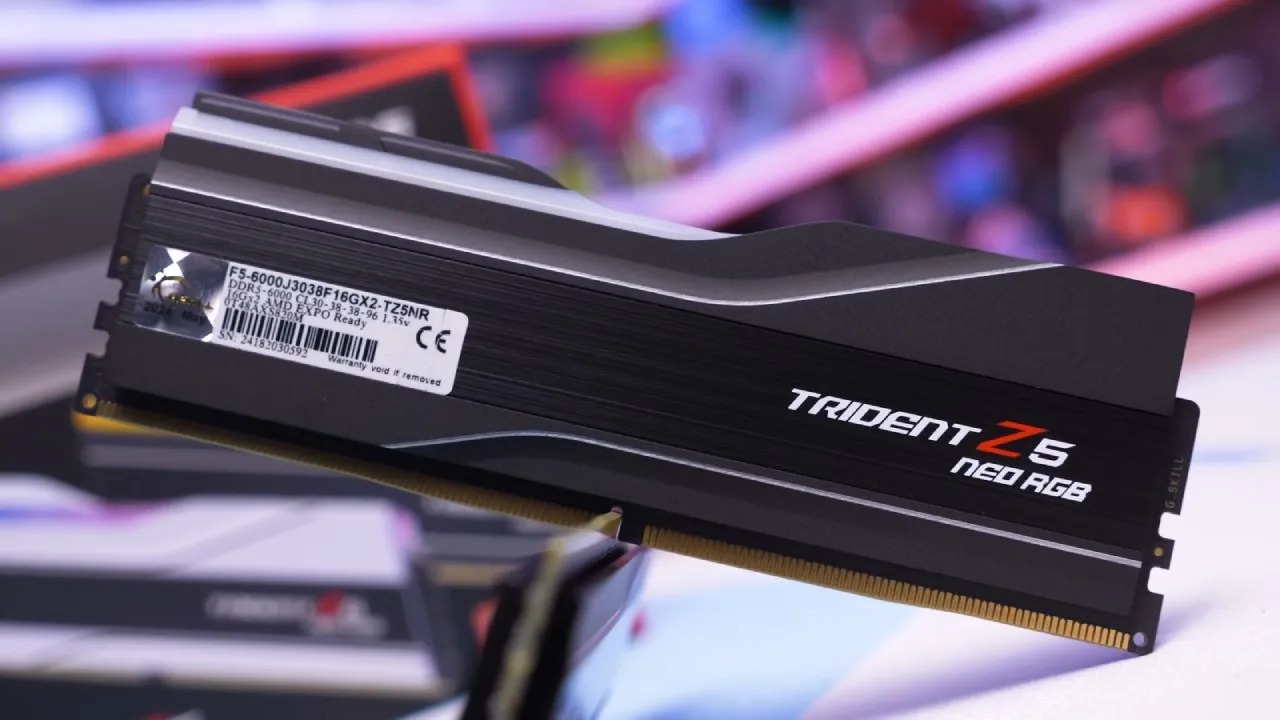
Going back even further, the shortages during the human malware outbreak put a lot of stress on chip production for gadgets, cars, home appliances, and more. The industry regularly adjusts its output to strike a balance between what customers can handle and what generates revenue for the company.
Storms, power outages, and other problems in Asia temporarily halted production at certain sites. A few hours offline can ruin wafer batches and throw off schedules. One of these outages at Samsung resulted in a production loss and required a restart. These problems made an already fragile balance even more fragile.
AI Growth and Distribution of Resources
The rise of AI was another big factor. Much of the industry moved toward building and expanding AI data centers. To build and train models, these systems require substantial computing power.
This demand hampered GPU launches, especially the 50 series, because AI centers needed a lot of hardware. The spike helped Nvidia, AMD, and other companies make money, but it also took parts away from consumer markets.
AI data centers need a lot of RAM, motherboards, and CPUs. Even though many centers use ECC-registered RAM instead of consumer DDR5, much of it is made from the same components. Manufacturers prioritize corporate contracts because they generate more revenue and are more predictable.
It makes more money to sell thousands of 1TB kits to big data centers than to sell tens of thousands of 32GB or 64GB kits to regular people. Because of this, the supply of consumer-grade DDR5 is lower, and restocking takes longer.
Why GPU Prices Won't Follow DDR5 Trends
There has been talk that GPU prices will go up, too, as GPUs have RAM. But GPU memory is GDDR, which is made in different fabs using different methods. Samsung and SK Hynix make most GDDR, and GDDR production doesn't depend on DDR5 output.
Modern GPUs don't use Micron as much. Earlier, when GDDR supplies were scarce, GPU manufacturing was already facing shortages. But that has already normalized.
Manufacturers said that delays in shipping early 50-series GPUs were due to a shortage of RAM, not to a shortage of GPU cores. The PCB assemblies were completed, but there was no memory to install. That shortfall is over, and there is now more supply than demand.
Companies that make GPUs, like MSI, Gigabyte, Asus, and the one that makes Nvidia Founders Edition cards, have locked BOM (bill of materials) prices. These set contracts prevent prices from rising when supply changes.
When demand declines and supply rises, GPU prices typically start at a set MSRP and then fall over time. Since 2025, GPU supply has increased while demand has decreased. This is because early adopters have already upgraded, and others are waiting for pricing to go back to normal. Some people also switched to consoles.
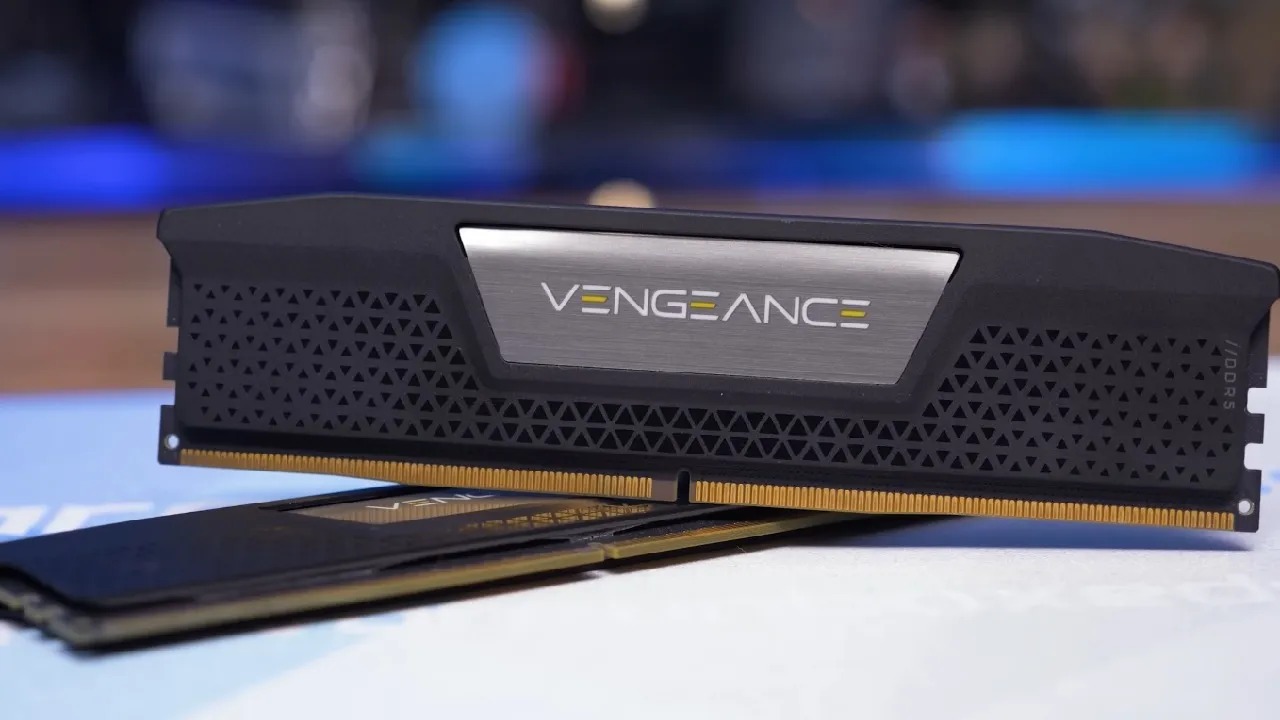
Because GDDR is made separately, GPU prices won't rise when DDR5 prices rise. The only time the supply of GPUs might change is during the holidays, when demand briefly increases. Major stores' inventories reflect that they are still available.
Only tiny independent AI developers who buy desktop GPUs, mostly cards with a lot of VRAM, like the 4090 with 24GB or the 5090 with 32GB, might have trouble getting them. Demand for most models with 16GB or less stays steady and predictable.
Market volatility and its effects on consumers will continue. Storage is also under pressure from supply and demand, but not as much as DDR5. Prices are going up because of the expansion of AI, business purchases, and the holiday season.
Some retailers decrease costs by offering bundle offers, while others make more money at the same time. People who have gone to new retailers in their neighborhood have seen that the prices of DDR5 have gone up since the beginning of this year.
GPU prices, on the other hand, remain the same due to separate memory fabs, the use of HBM for AI accelerators instead of GDDR, and fixed BOM structures. HBM is important for AI GPUs, but not for consumer cards. There are no big problems with making consumer GPUs.
Final Thoughts
We are all having the same problem. The goal is to get more people interested in PCs and support gaming, construction, coding, and development. In the previous few years, there have been changes in manufacturing, supply chains, company orientation, and market demand.
A lot of people want to go back to when building PCs was easier and cheaper. In 2016, it was common to create a high-end gaming system for less than $1,500. Now, systems in the middle range cost that much or more.
The industry will stabilize as demand for AI levels off, fabs adjust their output, and business orders return to a steady level.
Also, check our other hardware articles below:
- AMD Ryzen 9 9950X3D Review: Setting The Standard For 2025 Gaming CPU
- Amazon Luna 2025 Review: Is Prime Gaming's Cloud Service Your Go-To For Casual Fun?
- AMD RX 9070 XT Review: AMD's RDNA 4 Champion for 1440p Gaming
- GeForce Now Ultimate: Ditching Your Gaming PC For Cloud RTX 4080 Power?
- NVIDIA GeForce RTX 5080 Review (2025): Still A 4K Gaming Powerhouse?
- Intel Core Ultra 9 285K Review And Performance Breakdown (2025)
- AMD Ryzen 7 9800X3D Review: 3D V-Cache Goes God Mode with Stunning Gaming Performance
- Intel Core Ultra 9 285K vs AMD Ryzen 7 9800X3D: In-Depth Gaming Performance and Benchmark Comparison
- NVIDIA GeForce RTX 5080 Super Performance In Cyberpunk 2077: Path Tracing & DLSS 4.0 Tested
- AMD Radeon RX 9070 XT In Cyberpunk 2077: Ray Tracing & FSR 4.0 Tested
- Intel Arc B580 Review: The $250 GPU Revolutionizing 1440p Gaming
- Intel Arc B570 Vs. B580: Value, Specs, And Real-World Gaming Performance
- RTX 5090 Laptop Vs. M4 Max MacBook Pro: Ultimate Raw Performance Vs. Battery Endurance
- Intel Arc b580 Vs. RTX 4060: Game Performance And Value Analysis
- RTX5090 Hell Is Us Demo 4K Ultra Benchmark: DLSS Vs. Native Performance Guide
- NVIDIA RTX 5070 Review: Mid-Range Muscle or Marketing Hype?
- Nintendo Switch 2 Review: Handheld Performance, Features & Value Breakdown
- RTX 5070 Ti Review: Performance, Thermals & Power Efficiency Tested
- Samsung Odyssey OLED G81SF Review 2025: Ultimate 32-Inch QD-OLED Gaming Monitor
- AMD RX 9070 Performance Review: Thermals, Clocks, and Real-World FPS
- AMD Ryzen 5 7600 Review: Best Budget Gaming CPU of 2025?
- AMD Radeon RX 7800 XT Review: RDNA 3 Power For Midrange Gaming
- Asus ROG RTX 5090 Astral OC Vs. Founders Edition: The 4K Gaming Benchmark
- Intel Core i5-13400F Gaming Performance: Still Worth It in 2025?
- ASUS GeForce RTX 5090 LC Liquid Cooled GPU Review: Unmatched Silence & Speed
- ASUS ROG Ally X Handheld Review: Double the Battery, Double the Comfort
- Lenovo Legion Go S Review: The Ultimate Steam Deck 2 Alternative
- Sapphire NITRO+ AMD Radeon RX 9070 XT Review: The Ultimate 4K Gaming GPU
- Alienware 16 Area 51 Review: The Ultimate 2025 Gaming Laptop
- Alienware Area-51 Review: Unmatched 4K, Thermal, and Acoustic Performance
- AMD Ryzen 7 7800X3D: Delivers Gaming Performance Far Beyond Expectations
- AMD Ryzen 9 7900X Review: Powering the AM5 Era with DDR5 & PCIe 5.0
- Intel Core i9‑14900K vs. AMD Ryzen 7 7800X3D: Power Profiles & Gaming Benchmarks
- Intel Core i9 14900K: Specs, Benchmarks, and Competitor Comparison
- ASRock Radeon RX 7800 XT Challenger OC Review: Best Price-to-Performance GPU of 2025
Editor, NoobFeed
Gaming Hardware Updates
No Data.