
AI Demand is Draining Global Memory Supply: What Gamers Must Know
Surging data-center consumption of DRAM, VRAM, and HBM is creating unprecedented pressure on consumer-focused memory supplies worldwide.
Hardware by Tanvir Kabbo on Dec 05, 2025
There is a big problem with the IT supply chain, and it centers on one important part: memory. Every kind of memory chip, such as DRAM, VRAM, and HBM, is under pressure.
The shortages are genuine, pervasive, and unlikely to go away anytime soon. The effect is spreading out, affecting the supply of GPUs, SSDs, and even motherboards. AI demand is surging at a pace that manufacturers can't keep up with, leaving consumers to deal with the fallout.
.jpg)
Understanding Ramageddon
Fam bam, let's talk about what everybody is thinking about—Ramageddon. What is Ramageddon? RAM shortages. DRAM, VRAM, and HBM. All of it. We're all in a bind right now, and it's not temporary. Not only will it affect RAM. Not only do you need RAM, but you also need a GPU or even an SSD.
AI has practically walked into every single store at once, using its AI powers to say, "Give me everything you got." Data centers are buying up memory just like how we buy thermal paste. But imagine if we had an infinite amount of money. They're grabbing DRAM for servers, HBM for accelerators, LPDDR for edge AI, meaning everyday consumers are unfortunately picking up the scrap pile.
Why the Memory Shortage Is Real
This whole RAM issue isn't just an illusion. This isn't a thing brands are using to sell more. This isn't your typical Reddit panic. This is a real chain supply issue happening today. It's affecting gamers and enthusiasts alike.
It's not only the RAM on the PC side suffering. Motherboards are seeing nonexistent sales, especially right after Black Friday. From favorite brands to newer ones, they're all facing around 40–50% less-than-expected sales. You can't build a PC without RAM.
Worse still, new motherboard releases are getting delayed. MSI X870E Wi-Fi Max, originally scheduled for December 2025, has been pushed back as manufacturers shift production toward AI-focused memory, which pays more.
Manufacturers Are Prioritizing AI Memory
Manufacturers are not scaling back supply—they're pivoting. DRAM and NAND prices have nearly doubled in a month. Memory producers are shifting capacity from consumer RAM and SSDs to AI-focused HBM. That means every day, RAM for PCs will become more expensive and harder to find.
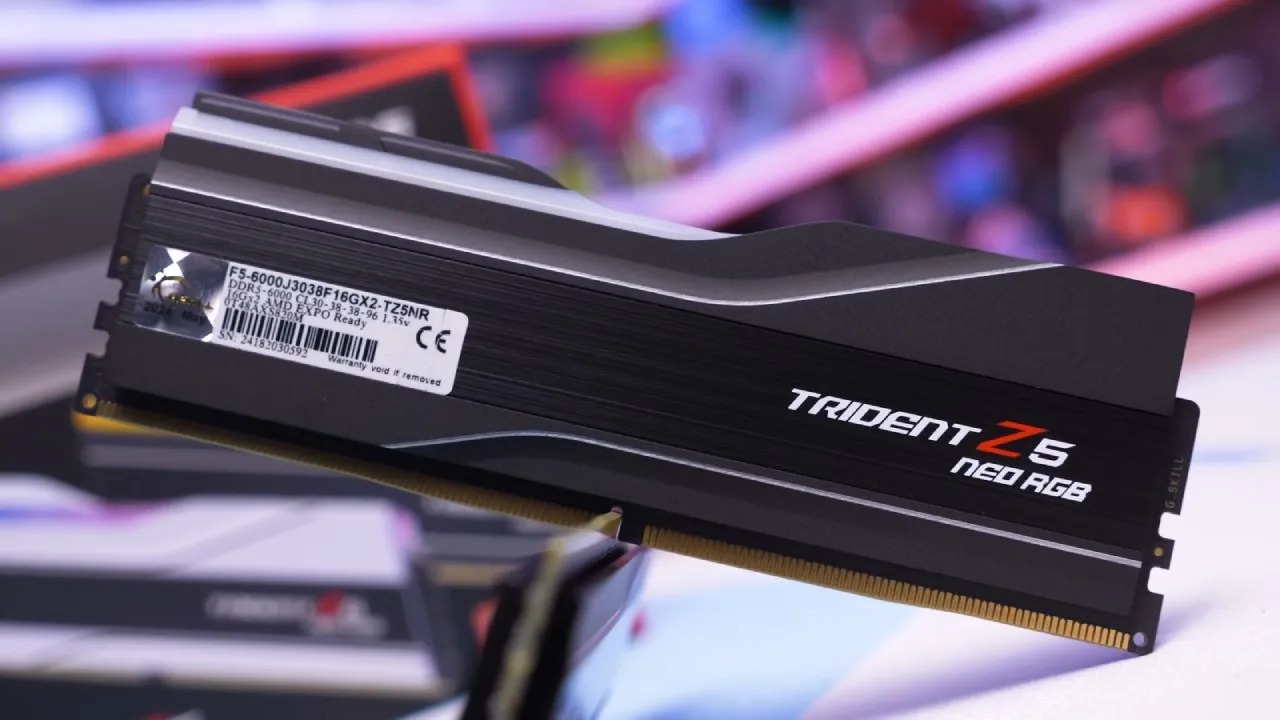
A single 16GB DDR5 chip is already around $27, pushing a basic 16GB RAM stick well over $200 in raw component cost alone. And this could get worse through 2026 and beyond because AI companies are buying production capacity faster than fabs can expand. If you're planning to build or upgrade, moving sooner rather than later is wise.
How VRAM Shortages Will Affect GPUs
Here's where it connects to GPUs. VRAM comes from the same companies, with the same wafer allocations, the same material bottlenecks, and the same demand pressure. When suppliers prioritize HBM due to sky-high AI profits, GDDR gets pushed down the priority list. And that's what gaming GPUs need.
We're already hearing that Nvidia isn't bundling VRAM like they used to. Board partners now have to source their own memory rather than receive it packaged. Lower availability, higher per-chip cost, and less negotiating power hurt smaller brands even more. Higher production costs equal higher retail prices.
GPUs were already expensive, and VRAM scarcity won't help. Scalpers are watching the situation like hawks. We've been here before.
SSDs Are Next in Line
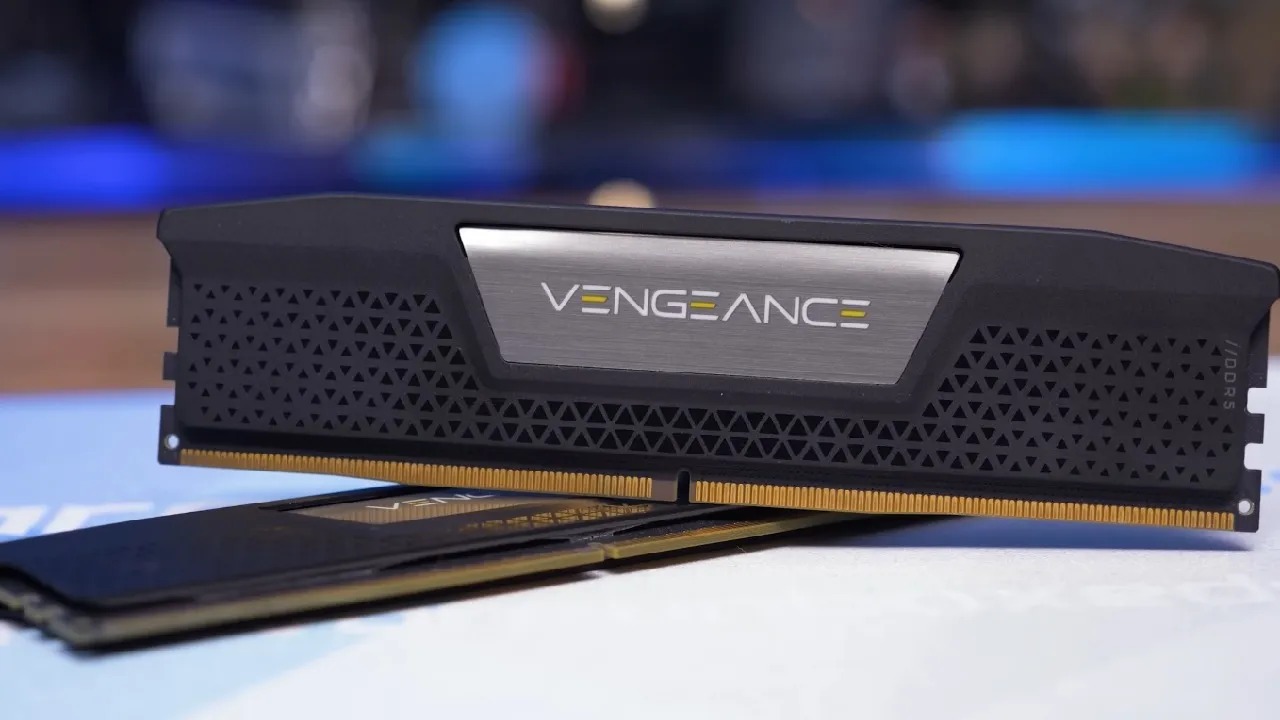
SSSDs are not safe. A lot of NAND flash and DRAM cache are affected. People don't talk about driving as much, yet the pressure remains. You want a Gen 5 SSD with 8TB of storage for less than $750? Don't worry about it. If DRAM stays tight and NAND follows AI demand waves, SSD prices will keep going up, just like GPU prices have.
This isn't just a one-time thing; it's a chain reaction. RAM is the first hit. The second thing is the supply of VRAM. The GPUs absorb the hit. Next come SSDs.
What to Expect in 2026
Prices are already going up for manufacturers. Some people say that AMD will raise prices by at least 10% in 2026. Nvidia is shifting VRAM sourcing responsibilities to board partners, making them absorb the cost increases.
AMD's RX 9070 XT sells for around $600 today. By 2026, expect $660–$700. Nvidia hasn't announced pricing, but with VRAM sourcing pushed onto partners, RTX 5070 Ti could go as high as $1,000 again—just like the post-war flashback of early 2025. RTX 5080 units could easily hit $1,300–$1,400.
There were hundreds of RAM kits on sale in September 2025, each costing between $90 and $120. That is gone. Pricing for GPUs and SSDs in early 2025 is no longer available.
Why Upgrading Now Matters
Getting a GPU or SSD before the end of 2025 is quite important if you require one, especially if you need something other than a hard drive. If not, it will feel like going back to the past when there were shortages and prices went up.
We do not want to pay two to three times more for something that could have been purchased earlier at a fair price. Whether it's an RTX 5080 or an RTX 9070 XT, the best deals available today won't last.
Also, check our other NVIDIA articles below:
- GeForce RTX 5090 Unleashed: Is NVIDIA's New Flagship the Ultimate 4K Gaming GPU?
- NVIDIA GeForce RTX 5080 Review (2025): Still A 4K Gaming Powerhouse?
- RTX 5090 Performance Testing In GTA 5 – 1080p, 1440p, and 4K Max Settings Benchmark
- RTX 5090 Laptop Vs. M4 Max MacBook Pro: Ultimate Raw Performance Vs. Battery Endurance
- NVIDIA RTX 5070 Review: Mid-Range Muscle or Marketing Hype?
- RTX 5070 Ti Review: Performance, Thermals & Power Efficiency Tested
- Asus ROG RTX 5090 Astral OC Vs. Founders Edition: The 4K Gaming Benchmark
- ASUS ROG Astral RTX 5090 OC Edition Review: 32GB GDDR7 & 4K Gaming Benchmark
- ASUS GeForce RTX 5090 LC Liquid Cooled GPU Review: Unmatched Silence & Speed
- MSI GeForce RTX 5090 32GB SUPRIM SOC Review: Power Efficiency, Cooling, and Gaming Performance
- INNO3D RTX 5060 Ti 16 GB X2 Review: Gaming Benchmarks, Temps, and Power Efficiency
- HP Omen 45L Review: RTX 5090 Performance, Thermals, and Value Analysis
- ASUS TUF Gaming GeForce RTX 5060 Ti Review: DLSS 4, Power Efficiency, and Gaming
- ASUS Prime RTX 5060 Ti OC 16GB Review: DLSS 4, Ray Tracing, & Thermals Tested
- NVIDIA GeForce RTX 5060 Review: Specs, Gaming, and Cost per Frame
- MSI GeForce RTX 5090 GAMING TRIO OC Review: A Monster Power GPU
Senior Editor, NoobFeed
Gaming Hardware Updates
No Data.