
How AI, Memory Shortages, and Corporate Power are Reshaping Gaming Hardware
A growing convergence of corporate power, artificial intelligence, and hardware scarcity is reshaping the global technology landscape.
Hardware by Tanisha Aria on Jan 31, 2026
It feels more and more like bleak science fiction is becoming real life. What used to only be seen in games like Syndicate and Deus Ex, as made-up worlds, now feels too familiar.
Multinational companies aren't just fighting in markets anymore; they're also actively infiltrating one another, changing how information flows, and increasing their power worldwide. Even though these stories were never meant to be educational guides, technology today still seems a lot like what happened in those stories.
.jpg)
The future that is coming is not one of neon-lit freedom and individuality. Instead, it is one of rising prices, limited access, and corporations that don't care about regular people.
Corporate Power, Information Control, and the Cost of Progress
This age isn't just about new ideas; it's also about control. Companies care more about making money than about the user experience, putting control over accessibility.
Companies are investing in large language models and data centers rather than customer hardware because of artificial intelligence, the latest reason for concentrating power. This means that local computer power is being slowly taken away, making users more reliant on centralized services.
We are seeing tech ownership go backwards instead of forward. Over time, parts that used to be more common and cheaper are now once again becoming luxuries. People are less interested in powerful personal computers and more interested in subscriptions, streaming, and cloud reliance.
The Escalating RAM Crisis and Market Regression
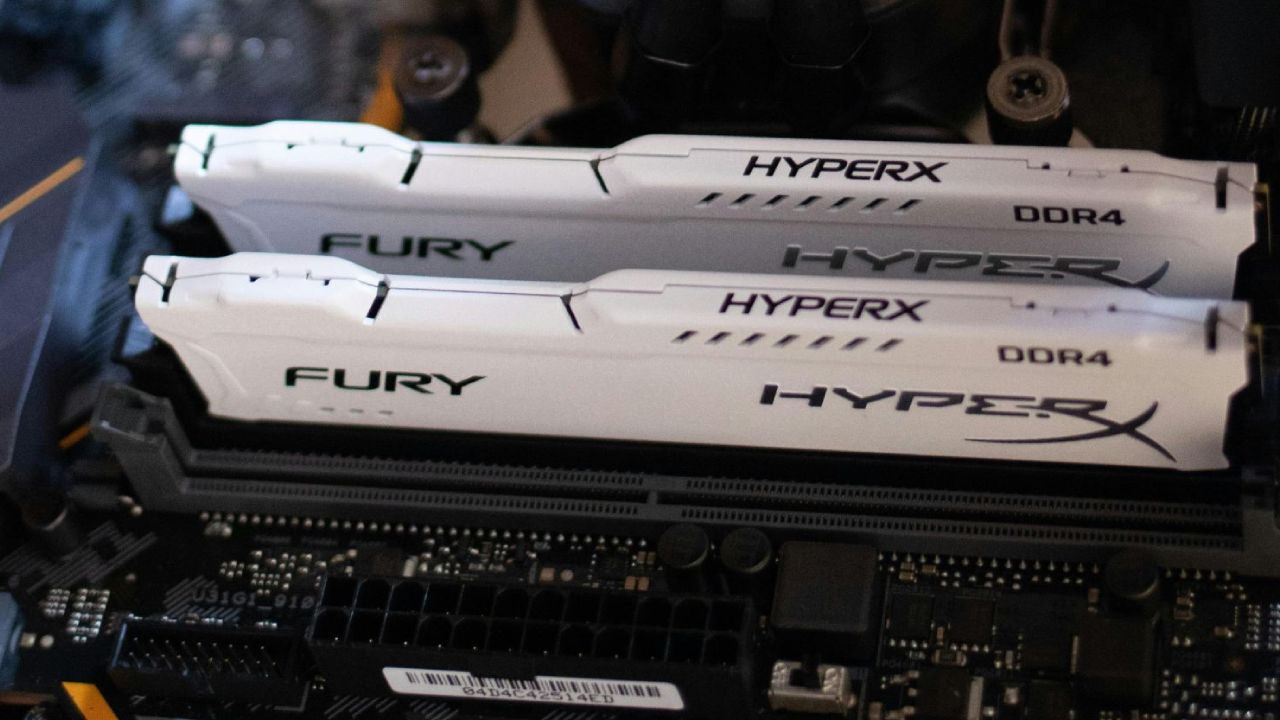
The RAM market is a good example of how things are going backwards. While DDR4 prices have also been rising, DDR5 prices have risen even more. People are looking for cheaper options, so even DDR3 systems are becoming useful again. The market is not moving forward; instead, it is going backward because of demand driven by AI.
Major suppliers now determine what's available, which forces companies to fight hard for memory allocation. Consumer goods aren't as important as they used to be because most of the supply goes to business clients and data centers. Because of this mismatch, gamers and regular users have had to pay higher prices just to keep using the service.
Supply Chains, Espionage, and Manufacturing Pressure
There is so much competition behind the scenes that it has reached the level of industrial espionage. Some manufacturing methods and memory technologies are now so valuable that going to great lengths to protect them is necessary. These acts show how important it is to make memories and how weak the supply chain really is.
While this is going on, makers are racing to make more things. Plans are underway to build new factories, but these projects take years to complete. Even after it's up and running, it's still hard to get enough output to meet AI-scale demand. Until then, the market will remain dominated by a shortage.
Hyperscalers, Negotiation Power, and Consumer Squeeze
These days, big tech companies have too much power. They get priority access by negotiating long-term deals directly with memory manufacturers. Smaller companies and customers are left behind. Whole businesses are being called "beggars" just because they need parts that used to be easy to get.
Because of this imbalance, other makers are looking for new suppliers, even if they aren't sure about compatibility, quality, or long-term support. These choices are not based on what I want, but on what I have to do.
Pricing Stabilization Without Relief
There are early signs that RAM prices may be leveling off, but they are still much higher than they were before. Some uniformity can be seen in entry-level modules, but high-performance kits are still pricey. Storage devices and GPUs are also affected, which keeps the costs of upgrading the whole system high.
Already, we're seeing graphics cards with less memory costing more, which lowers the starting level while providing less value. Instead of dropping prices to get more people to buy, companies keep testing how much people are willing to put up with.
Building AI infrastructure, letting hardware sit idle, and strategic contradictions
The huge amount of infrastructure that isn't being used is one of the most striking contrasts. Power and operating issues keep huge data centers full of hardware from being used. However, the building is still going at full speed. People are investing in growth even when consumption is low because they don't want to fall behind in the AI race.
We are seeing a bubble grow where too many resources are being used, efficiency is being lost, and long-term sustainability is not being taken into account. Even so, companies keep doubling down because they think that being dominant today is okay if things go wrong tomorrow.
Platform Control and the Shift Away From Ownership
In contrast, service-based communities become more appealing as hardware costs rise. Subscription models are sold as cheaper options, even though you don't own anything. Streaming and cloud access seem like the only options when devices get more expensive, and updates are no longer useful.
We can see how this approach changes people's behavior. If access takes the place of ownership, the provider naturally gains control. Content libraries, speed limits, and availability can change. What seems cheap at first turns into a long-term obligation.
Gaming, Consoles, and the Extended Generation
Because of rising prices and limited supply, the current generation of consoles may last much longer than usual. Instead of quickly updating hardware, companies seem ready to make it last longer while slowly raising prices. Performance gains are no longer based on hardware but on software, which makes people even more dependent on services.
This method helps platforms a lot more than it helps people. When the barrier to entry goes up, subscriptions become the main way in. This pushes users toward economies built around recurring payments rather than long-term value.
The Platform War and Strategic Rivalries
Individual gadgets are no longer what make a market competitive; platforms are. Success now means integrating AI, streaming, and cloud technology. When it makes sense, two former foes work together, only to go back to competing in different areas. Because of these changing relationships, control is more important than new ideas.
As a single point of access for work, fun, and communication, businesses are positioning themselves as the norm. When you're rooted strongly enough, it's hard, expensive, or even impossible to leave.
Final Thoughts
The most unsettling thing about this path is not the progress in technology itself, but the way access is being deliberately restricted. Hardware shortages, high prices, and reliance on services are not unintended results. They are the result of smart choices made by strong groups that control their choices.
This is getting close to the point where you can rent computer power rather than own it. Instead of being a personal experience, entertainment turns into a way to escape. Within that setting, the real cost is not measured in money, but in freedom.
It's still not clear if this path can still be changed. There's no doubt that the choices being made now will affect how much power people have over their technology in the years to come.
Also, check our other hardware articles:
- AMD Ryzen 9 9950X3D Review: Setting The Standard For 2025 Gaming CPU
- Amazon Luna 2025 Review: Is Prime Gaming's Cloud Service Your Go-To For Casual Fun?
- AMD RX 9070 XT Review: AMD's RDNA 4 Champion for 1440p Gaming
- GeForce Now Ultimate: Ditching Your Gaming PC For Cloud RTX 4080 Power?
- NVIDIA GeForce RTX 5080 Review (2025): Still A 4K Gaming Powerhouse?
- Intel Core Ultra 9 285K Review And Performance Breakdown (2025)
- AMD Ryzen 7 9800X3D Review: 3D V-Cache Goes God Mode with Stunning Gaming Performance
- Intel Core Ultra 9 285K vs AMD Ryzen 7 9800X3D: In-Depth Gaming Performance and Benchmark Comparison
- NVIDIA GeForce RTX 5080 Super Performance In Cyberpunk 2077: Path Tracing & DLSS 4.0 Tested
- AMD Radeon RX 9070 XT In Cyberpunk 2077: Ray Tracing & FSR 4.0 Tested
- Intel Arc B580 Review: The $250 GPU Revolutionizing 1440p Gaming
- Intel Arc B570 Vs. B580: Value, Specs, And Real-World Gaming Performance
- RTX 5090 Laptop Vs. M4 Max MacBook Pro: Ultimate Raw Performance Vs. Battery Endurance
- Intel Arc b580 Vs. RTX 4060: Game Performance And Value Analysis
- RTX5090 Hell Is Us Demo 4K Ultra Benchmark: DLSS Vs. Native Performance Guide
- NVIDIA RTX 5070 Review: Mid-Range Muscle or Marketing Hype?
- Nintendo Switch 2 Review: Handheld Performance, Features & Value Breakdown
- RTX 5070 Ti Review: Performance, Thermals & Power Efficiency Tested
- Samsung Odyssey OLED G81SF Review 2025: Ultimate 32-Inch QD-OLED Gaming Monitor
- AMD RX 9070 Performance Review: Thermals, Clocks, and Real-World FPS
- AMD Ryzen 5 7600 Review: Best Budget Gaming CPU of 2025?
- AMD Radeon RX 7800 XT Review: RDNA 3 Power For Midrange Gaming
- Asus ROG RTX 5090 Astral OC Vs. Founders Edition: The 4K Gaming Benchmark
Contributor, NoobFeed
Gaming Hardware Updates
No Data.