
AMD 9850X3D Confirmed: Specs, Performance, and Zen 6 Release Timeline
AMD confirms 9850X3D with higher clock frequencies while hinting at upcoming 9950X3D2 and future Zen 6 processors.
Hardware by Tanvir Kabbo on Dec 01, 2025
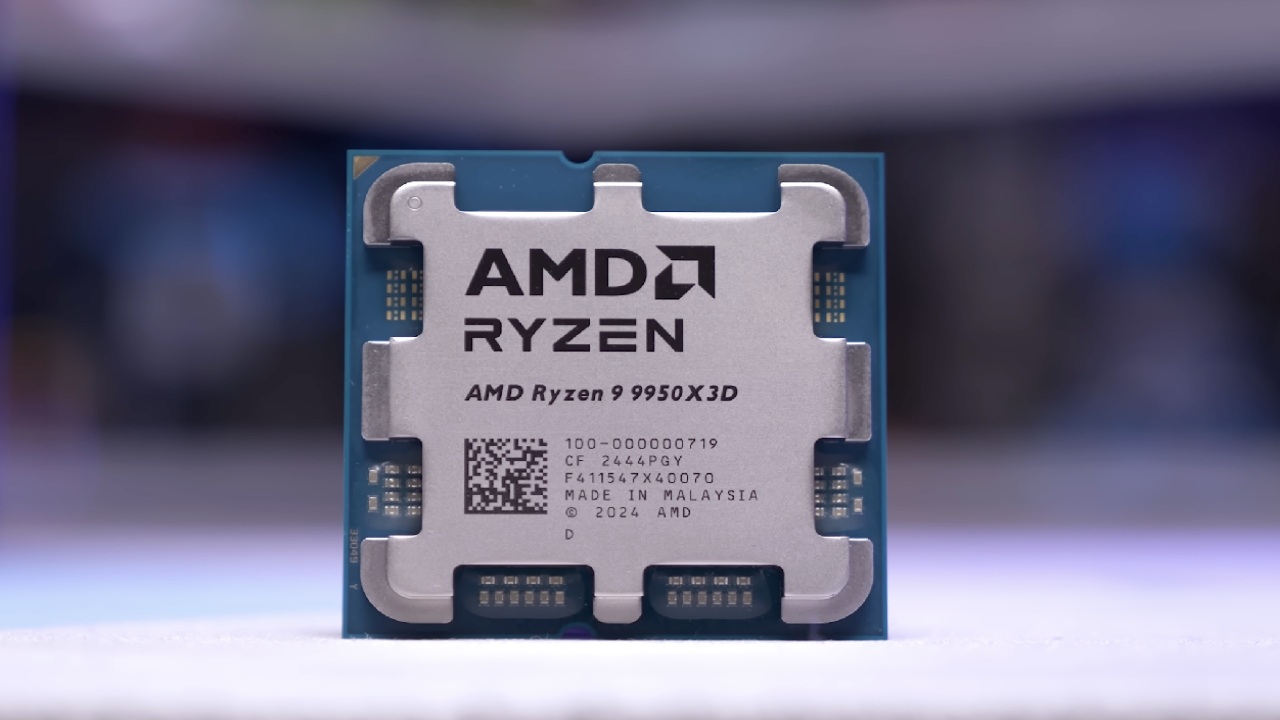
Just when Intel thought that Arrow Lake Refresh would take the performance crown away from AMD, AMD is ready with a counterpunch. The 9850X3D is officially confirmed on AMD’s website. For those unfamiliar, it is essentially a 9800X3D but with higher clock frequencies. More importantly, this almost certainly confirms the existence of the 9950X3D2, a dual-cache Ryzen processor.
Several questions arise from this development. What are the specifications of these chips, and how do they compare against Arrow Refresh? Should you consider upgrading now, buy one of the Zen 5 processors, or wait for Zen 6? And what exactly is happening with Zen 6’s release timeline?
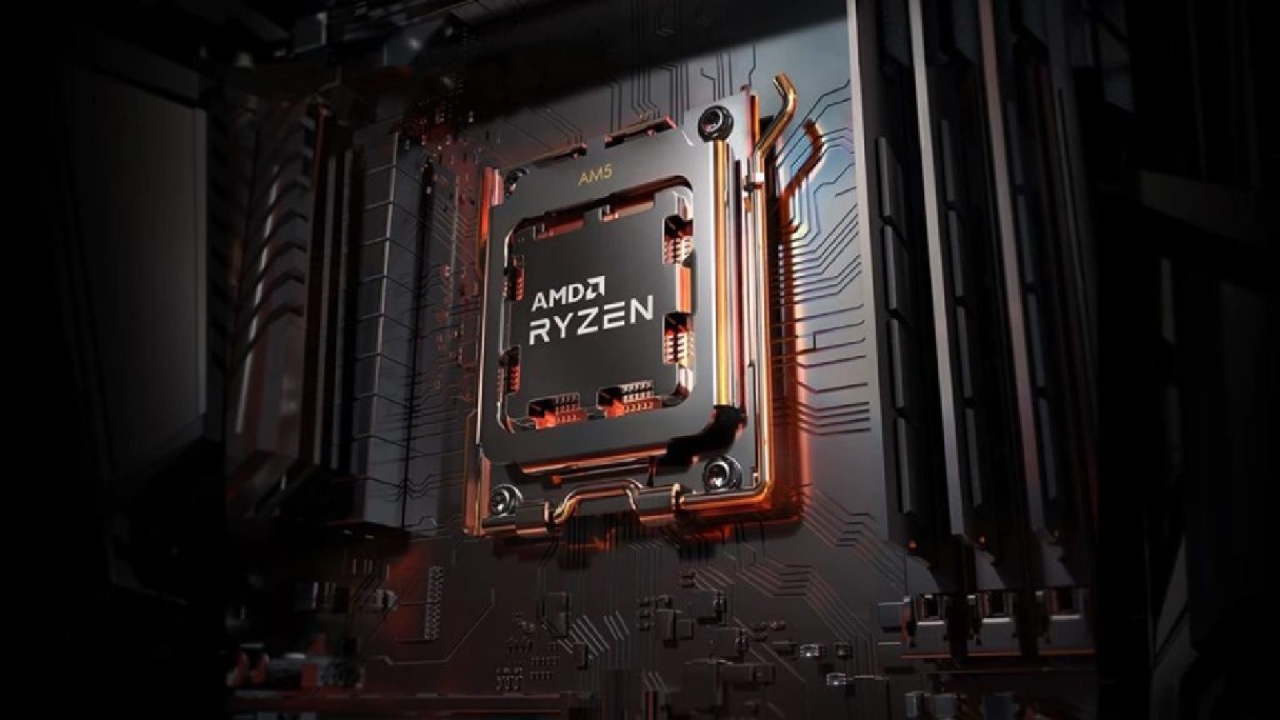
AMD 9850X3D Specifications and Performance
There are no official specs for the 9850X3D from AMD yet. Still, we may make reasonable predictions based on rumors and previous releases. The 9850X3D is expected to have boost clocks 200 to 400 MHz higher than the 9800X3D, making it a little bit quicker. AMD seems to be using a lot of the same technology again, so other things, such as supported RAM, look the same.
There may not be big improvements in gaming performance, but productivity workloads may see bigger gains. For instance, some games can run faster when you use tools like CPU Setter to pin the CPU. Some tests on games like Counter-Strike 2 have shown that they can get up to 150 additional FPS. This isn't true for everyone, but it shows that highly adjusted setups can lead to gains.
For streamers or those with mixed workloads, the 9950X3D2’s dual-cache architecture could let one CCD handle gaming while the other focuses on productivity tasks. Overall, this processor is poised to outperform Arrow Refresh in most scenarios.
Intel Arrow Lake Refresh Specifications
Intel has confirmed Arrow Lake Refresh, which includes several performance improvements. High memory speed support is notable, with 7200MTs versus 6400MTs for prior generations. The 290K variant shows about a 100 MHz difference in TVB, with slightly faster E-cores, which may help productivity workloads but not necessarily gaming.
The 270K and 250K models feature higher E-core counts, providing further productivity gains. Prices are currently unconfirmed, but Intel’s recent deals on the 265K suggest attractive pricing could continue. Arrow Refresh processors will also be the last Intel chips available on LGA11851.
Zen 6 and AM5 Support
Motherboard manufacturers have confirmed that Zen 6 will support AM5 motherboards, reinforcing previous information. The Zen 6 desktop processors are projected to be released in 2026, while the V-cache versions will be released in early 2027. Mobile Zen 6 might come out soon after. OpenSill BIOS support is expected in the first half of 2027; however, it might come after desktop processors.
Release dates may be pushed back due to production capacity and memory availability issues. Memory shortages have hurt the industry by lowering supply and raising prices. This is partly due to the high demand for AI and production issues.
Should You Upgrade Now?
Your current processor and needs will help you decide whether to upgrade. If you currently have a 9950X3D, you might not need to upgrade to the 9950X3D2, since the performance improvements might not be worth the extra cost. However, for those seeking the fastest processor available or planning high-end productivity workloads, the new X3D2 processors could be appealing.
Memory availability and cost remain critical factors. Even if Intel releases a faster processor, high memory prices could limit overall system performance. This is an important consideration for both gaming and productivity, as well as future console performance and other hardware-dependent tasks.
Final Thoughts
The confirmation of AMD’s 9850X3D and the potential 9950X3D2 highlights AMD’s continued competitiveness in high-performance CPUs. Arrow Lake Refresh improves memory performance and productivity, but AMD's X3D series is still the best for gaming and mixed workloads.
Zen 6 promises more new features, but when it comes out and how much memory is available may affect whether or not people want to update. Keeping an eye on new releases and market trends will help you determine when the optimal time is to buy a new processor is.
Also, check our other AMD articles below:
- AMD Ryzen 9 9950X3D Review: Setting The Standard For 2025 Gaming CPU
- AMD Ryzen 7 9800X3D Review: 3D V-Cache Goes God Mode with Stunning Gaming Performance
- AMD RX 9070 Performance Review: Thermals, Clocks, and Real-World FPS
- AMD Ryzen 5 7600 Review: Best Budget Gaming CPU of 2025?
- AMD Radeon RX 7800 XT Review: RDNA 3 Power For Midrange Gaming
- Sapphire NITRO+ AMD Radeon RX 9070 XT Review: The Ultimate 4K Gaming GPU
- AMD Ryzen 7 7800X3D: Delivers Gaming Performance Far Beyond Expectations
- AMD Ryzen 9 7900X Review: Powering the AM5 Era with DDR5 & PCIe 5.0
- Intel Core i9‑14900K vs. AMD Ryzen 7 7800X3D: Power Profiles & Gaming Benchmarks
Senior Editor, NoobFeed
Gaming Hardware Updates
No Data.