
AMD 9950X3D2 vs. Intel Nova Lake: High-End CPU Battle for 2026
Intel aims to challenge AMD with Nova Lake despite concerns regarding cost, complexity, and high-end market positioning.
Hardware by Tanisha Aria on Nov 17, 2025
There is considerable excitement among fans and users about AMD's new Ryzen R9 9950X3D2, particularly when compared to Intel's next-generation Nova Lake. There are rumors that the 9950X3D2 will have about 5–10% more speed than the current 9950X3D.
This could put it on par with Nova Lake in gaming situations. If Zen 6 is pushed back, this updated Zen 5X3D might be enough to please the market, as the difference between high-end CPUs isn't usually significant for everyday games.
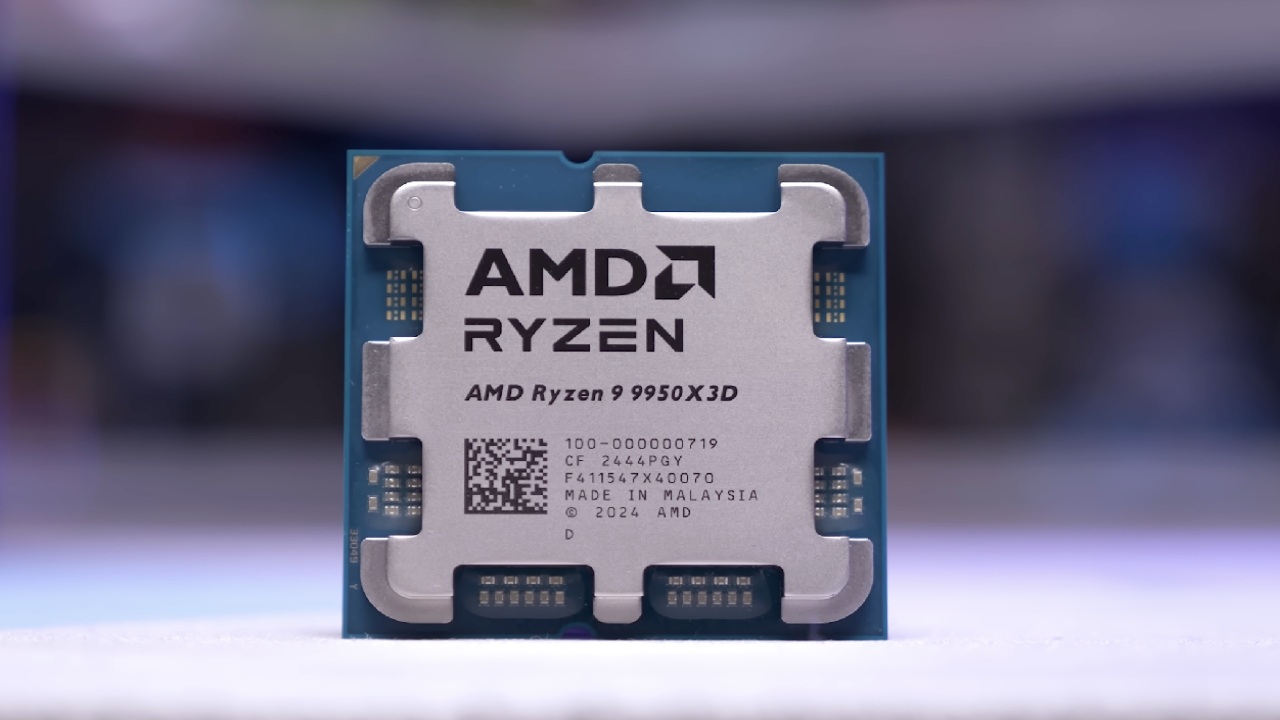
Even if AMD releases the 9950X3D2, most gamers will probably be happy with it. This is especially true since the current 9800X3D can handle high frame rates.
In fact, a 10% performance boost is usually not noticeable by most users, even though it can be measured. Some high-end screens can reach a refresh rate of up to 540Hz.
Still, a small difference in FPS in games typically doesn't significantly alter the overall enjoyment of the experience. Most gamers don't need anything more than a CPU that can handle games with more than 200 to 300 frames per second.
Intel's Nova Lake and Possible Benefits
Nova Lake does offer some improvements, such as reduced latency and improved power efficiency when the computer is idle. It is made with large cache dies that may give it a similar appearance to an HDT chip with numerous cores, which could be particularly beneficial for tasks that require simultaneous processing by multiple threads.
However, AMD's smaller, more efficient X3D dies may be able to outperform Intel's high-end, expensive chips. They are also easier and less expensive to produce.
Intel might do better in the mid- to low-end parts of the market, where AMD currently has fewer choices. However, it may still struggle to compete in the enthusiast gaming segment.
Intel's approach may focus on games or apps that require a significant amount of CPU power. Still, most gamers won't notice any improvements over the Zen 5X3D CPUs they already have.
The frame rate drops a lot when you play games like City Skylines 2, Age of Empires 4, and Crusader Kings 3. In these situations, adding more cache or lowering latency could make a big difference in speed, going from 40fps to 70fps.
People often talk about high-end benchmarks, but most of the time, improvements in everyday gaming are very small, unless the game uses a lot of CPU power.
AMD's plan for the market and its 3D cache advantage
AMD has an edge because it can use 3D V-Cache more cheaply. If it comes out at a fair price, the 9950X3D2 could rule the hobbyist market until 2026. Even a 10% boost over the current 9950X3D could help AMD stay ahead of Intel in games, since most users value value and cost over small performance gains.
This approach has been used by AMD before, notably with CPUs like the 5800X3D, which had fewer cores but achieved great gaming performance thanks to its stacked cache.
AMD can also carefully place X3D cache across its different product lines, ensuring that its mid-range gaming CPUs perform better than Intel's equivalents while also being more affordable.
El may produce high-end chips with a large amount of cache and a high number of cores. Still, AMD's method of combining 3D cache with smaller, more affordable dies gives them a significant price-to-performance advantage. In gaming situations, this helps AMD maintain its lead among serious gamers who prioritize both speed and cost-effectiveness.
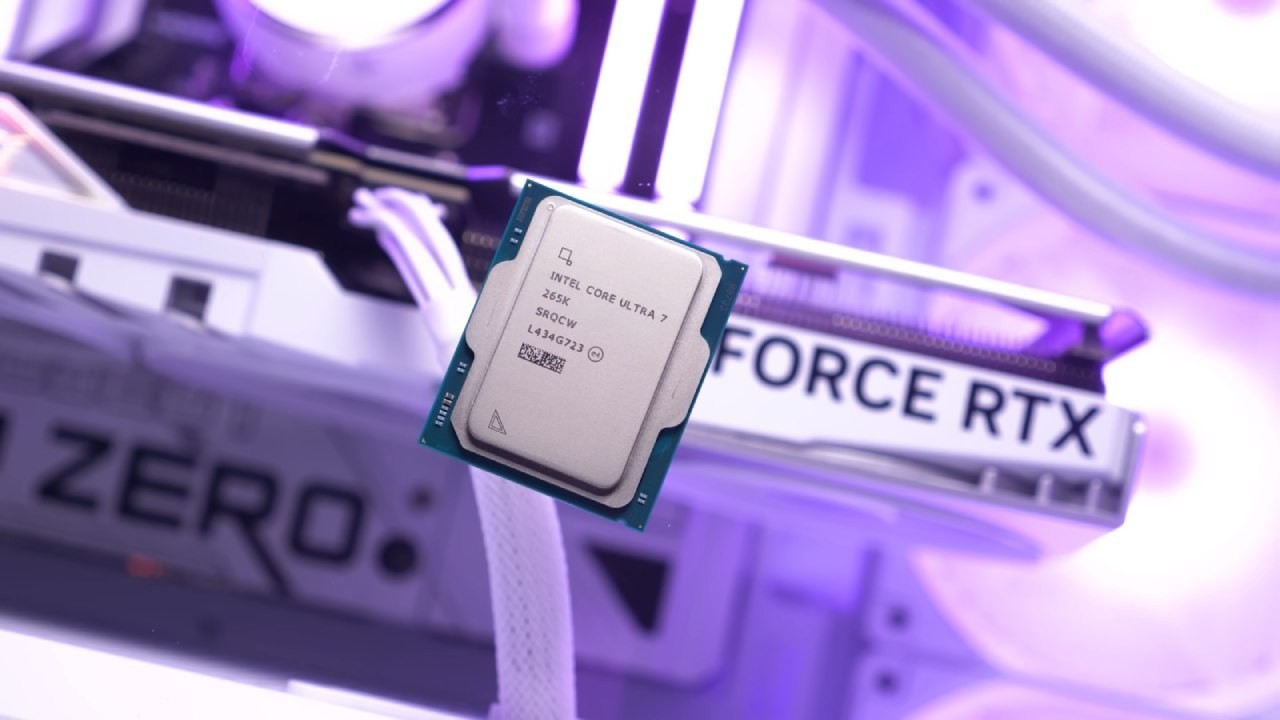
Possible Situations and Long-Term Thoughts
Intel's Nova Lake would need to provide gamers with a significant advantage over AMD in order to truly compete with them. This is more than the usual 10-15% speed boost that comes with new CPUs.
Let's say AMD comes out with the 9950X3D2, which has more cache and costs less. If that's the case, Intel might struggle to enter the high-end market, as most gamers are satisfied with the current speed of the Zen 5X3D.
In the meantime, we may still find opportunities in the low-cost or mid-range market. AM should still be safe in the high-end enthusiast market for at least another year.
In the end, AMD's 9950X3D2 is a strategic update that could help them stay ahead in the gaming world until Zen 6 or Zen 7 is ready. That being said, even if Intel produces a Nova Lake CPU that is slightly faster, it won't make a significant difference in games, and AMD may be more cost-effective.
For gamers, the most important thing to remember is that high FPS gaming is already possible with today's CPUs. Sm ll gains may not be noticeable in real-life gaming situations, even if they can be seen in benchmarks.
Final Thoughts
We believe that AMD's R9 9950X3D2 could continue to be the best gaming GPU, especially if it were priced similarly to other options. No, a Lake has good architecture and could improve its multithreading capabilities. Still, it may not be significantly better than AMD for gaming.
If you buy a high-end CPU mainly for FPS speed, you might not want to switch, especially since AMD's CPUs can already beat 200–300fps in new games.
The 9950X3D2 features more cache and optimizations, which could significantly improve speed for CPU-intensive games or large-scale simulations.
This makes it a good choice for gamers. AM's smart placement of 3D V-Cache across its product line ensures that even mid-range CPUs can compete in the market. In the meantime, El may struggle to enter the high-end gaming market due to this.
Suppose Intel doesn't come up with revolutionary performance at a price that can compete. In that case, AMD will likely remain the top choice for gamers until at least 2026. This is because they are cost-effective, have high FPS performance, and use cache strategically.
Also, check our other Intel articles below:
- Intel Core Ultra 9 285K Review And Performance Breakdown (2025)
- Intel Core Ultra 9 285K vs AMD Ryzen 7 9800X3D: In-Depth Gaming Performance and Benchmark Comparison
- Intel Core i5-13400F Gaming Performance: Still Worth It in 2025?
- Intel Core i9‑14900K vs. AMD Ryzen 7 7800X3D: Power Profiles & Gaming Benchmarks
- Intel Core i9 14900K: Specs, Benchmarks, and Competitor Comparison
- Intel Core Ultra 5 245K Review: Gaming, Productivity & Power Efficiency Tested
- Intel Core Ultra 9 285 K's iGPU Gaming: In-Depth Benchmarks & Analysis
- Intel vs. AMD Gaming Laptop: Performance, Thermals & Battery Life Compared
- AMD Ryzen 7 9800X3D vs.7800X3D vs. Intel Core Ultra 7 265K: Gaming, Thermals & Price Analysis
Contributor, NoobFeed
Gaming Hardware Updates
No Data.