
AMD Amethyst and RDNA 5: What Sony’s Deep Hardware Partnership Means for PS6
Sony and AMD are aligning long-term hardware research to balance rasterization, ray tracing, and machine learning workloads.
Hardware by Tanvir Kabbo on Dec 15, 2025
A wide-ranging supporter Q&A sparked a deep discussion about AMD and Sony's long-term hardware collaboration, emerging GPU technologies like Amethyst and RDNA 5, neural arrays, and what all of this could mean for future PlayStation hardware.
The conversation explored whether recent announcements represent a change in direction, how these technologies fit together, and what the evolving pace of game development means for console cycles moving forward.
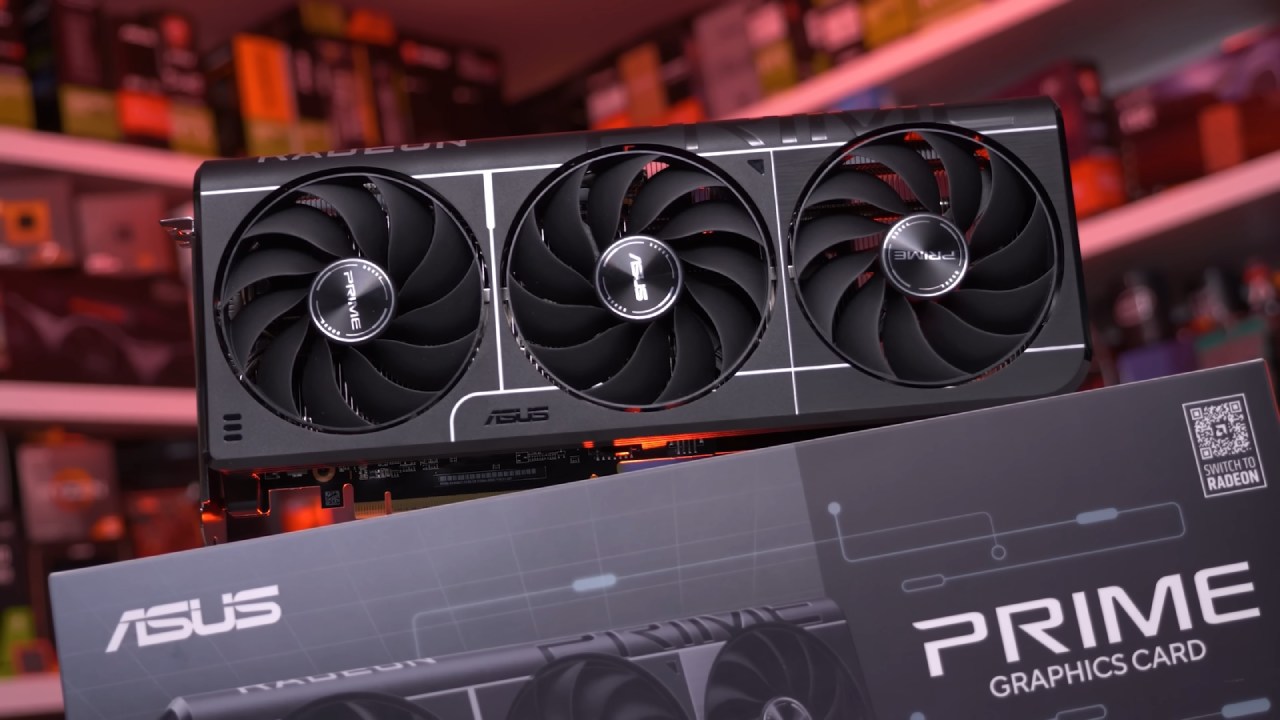
Amethyst, RDNA 5, and the Direction of Travel
We kicked things off with a question from Daro, who wondered whether the newly revealed Amethyst technologies, including radiance cores, universal compressions, and RDNA 5 hardware acceleration for DGF, represented conflicting or "about-face" decisions. From our perspective, they do not.
What we see instead is a broad and consistent direction of travel. Everything appears to be moving toward a better balance between traditional rasterization and the growing demands of ray tracing and machine learning. Rather than being contradictory, these developments seem to complement each other as part of a unified strategy to handle increasingly complex rendering workloads.
What stood out most to us was the timeline. Mark Cerny previously explained that AMD intends to bring some of this technology to the PC market relatively quickly, which aligns with RDNA 5. For PlayStation, however, the same concepts are still several years away. That gap highlights just how deep and long-term this cooperation really is.
A Deepening Sony–AMD Partnership
We find the partnership between Sony and AMD especially fascinating. Sony is becoming more involved in hardware design, contributing not just software expertise but also conceptual and architectural input. That kind of collaboration is hugely valuable for AMD, particularly in areas where it has sometimes lagged in recent years.
From Sony's side, getting in at the ground floor of hardware design gives them far more influence than simply selecting from an existing roadmap. You can see echoes here of what Sony once hoped to achieve with earlier ambitious hardware strategies, even if the execution today is far more grounded and practical.
Console Cycles and Long-Term Planning
One key point that caught our attention was the implication of Cerny's "few years off" comment. If taken literally, that could point to a 2028 or even 2029 timeframe, implying an unusually long console generation. An 8-year or 9-year cycle may sound extreme, but when you look at current development realities, it starts to make sense.
Game development has become the real bottleneck, not hardware. We are already deep into the PS5 lifecycle. Yet, some flagship studios still have not released a brand-new title built exclusively for this generation. Development timelines have stretched so far that software cadence no longer neatly aligns with traditional hardware cycles.
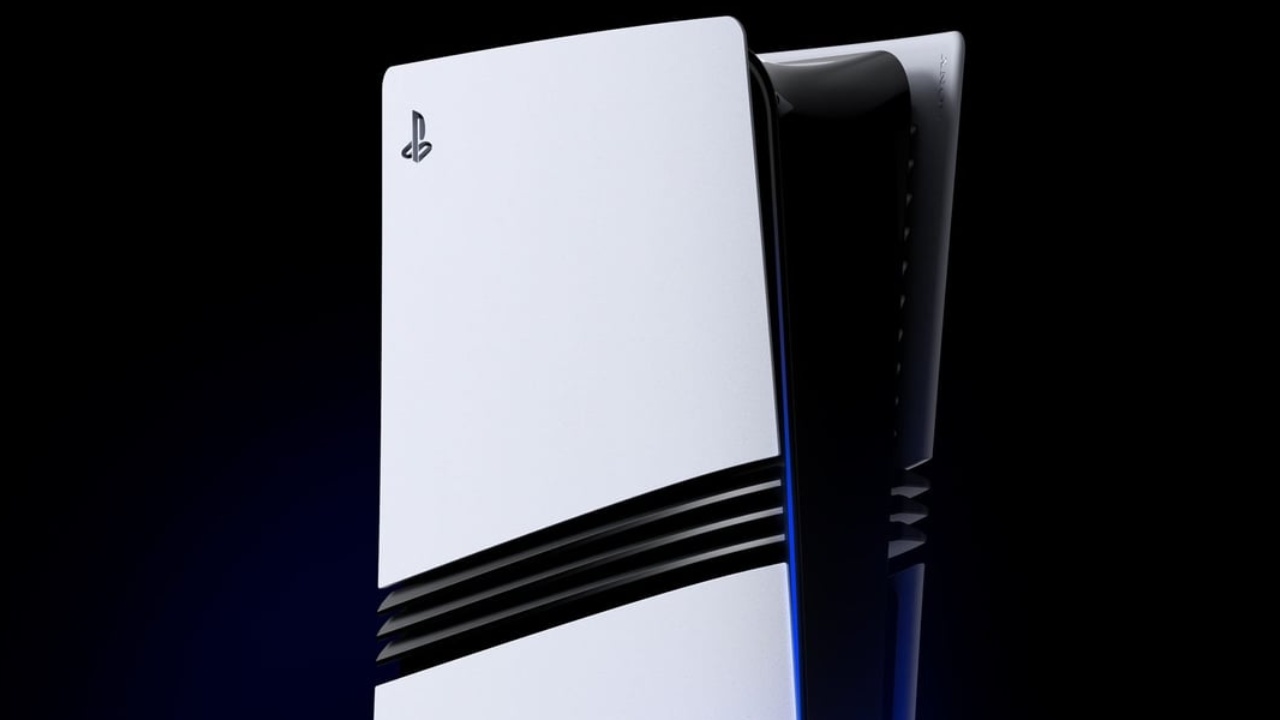
Handhelds and Extending the Generation
That reality led us to wonder where a rumored handheld device might fit. If a handheld were released in the near future and could run PS5-class software in some form, it could serve as a bridge to extend the current generation rather than replace it outright.
From your perspective as a player, that kind of strategy could help maintain momentum. At the same time, major studios continue working on increasingly ambitious projects. It also reframes the idea of a long generation as a feature rather than a flaw.
Changing Output of First-Party Studios
Looking back, it's clear just how dramatic the shift has been. In earlier generations, major studios shipped multiple games per console. Today, it is increasingly common to see only one major release, sometimes very late in the cycle.
We are now in a situation where a studio might release a single flagship title near the end of one console's lifespan, then not deliver another original game until well into the next generation. That pace raises serious sustainability questions and reinforces the need for longer hardware cycles.
PS6 Timing and Industry Rumors
We also touched on information attributed to a well-known hardware leaker, suggesting that current plans point to a 2027 launch window for PS6, with the possibility of slipping into 2028. At this stage, hardware reportedly exists only in simulation, with tape-out and early silicon still ahead.
Given those realities, an earlier launch would be optimistic. From our perspective, 2027 seems the earliest possible start date, but delays are still possible.
Neural Arrays vs. Tensor Cores
Another fan asked about neural arrays and how they are different from dedicated tensor cores. As we understand it, neural arrays are a new way to organize current compute units to handle machine-learning tasks more quickly.
Instead of relying on large blocks of specialized hardware, AMD typically designs area-efficient solutions that make the most of silicon and flexibility. On the other hand, other methods rely on specialized hardware components. These approaches don't have to be at odds with each other; they can work together, with each one suited to a different design purpose.
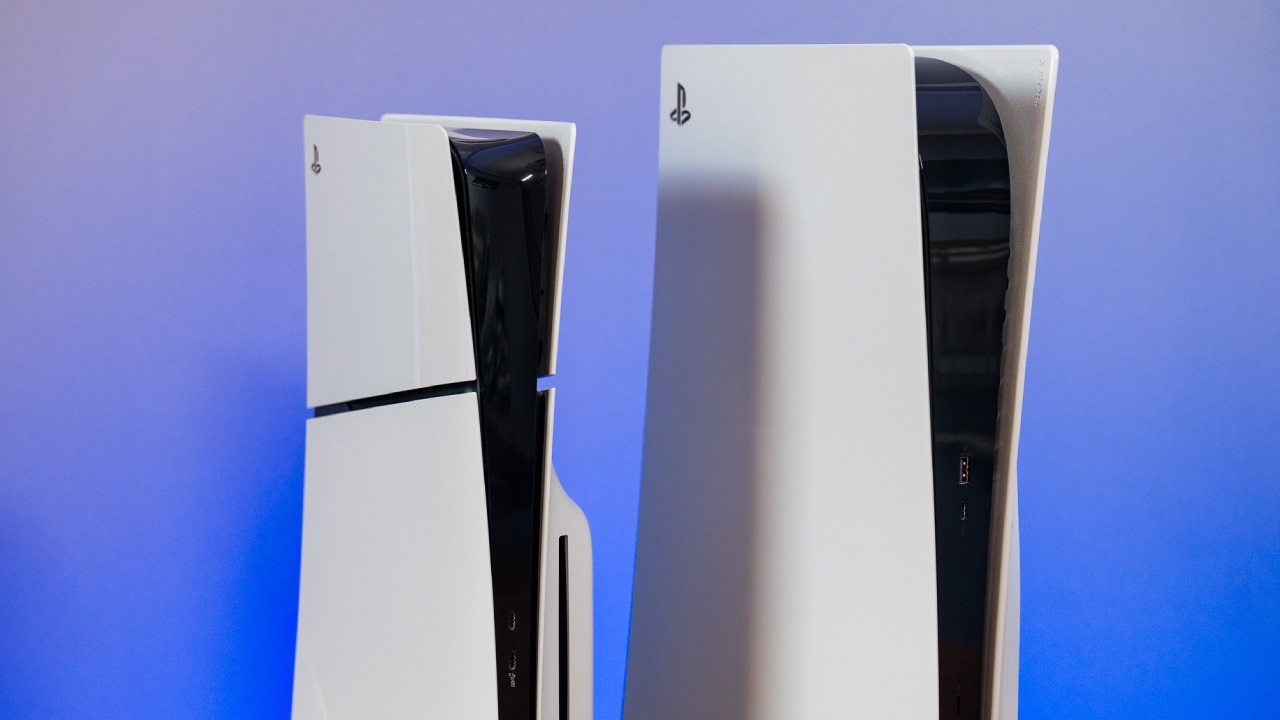
What This Means for PS5 Pro
Finally, we addressed concerns about whether all this forward-looking research means the PS5 Pro has been sidelined. We do not believe that is the case at all.
The technologies discussed are still years away from consumer release. Games built for PS5 will continue to receive additional engineering and optimization for PS5 Pro, much as we saw in the previous generation. PS5 Pro occupies a similar role to PS4 Pro, serving as a complementary system rather than a replacement.
Research done for the PS5 Pro, including advances in upscaling and machine learning, is not wasted. It feeds directly into future designs and helps lay the groundwork for what comes next.
Final Thoughts
All of these talks show that the industry is changing to slower development cycles, greater hardware-software collaboration, and more careful long-term planning.
The current plan doesn't show confusion or a change of mind; instead, it shows that present needs and future goals are carefully aligned, with room for both players and developers to be flexible.
Also, check our other AMD articles below:
- AMD Ryzen 9 9950X3D Review: Setting The Standard For 2025 Gaming CPU
- AMD Ryzen 7 9800X3D Review: 3D V-Cache Goes God Mode with Stunning Gaming Performance
- AMD RX 9070 Performance Review: Thermals, Clocks, and Real-World FPS
- AMD Ryzen 5 7600 Review: Best Budget Gaming CPU of 2025?
- AMD Radeon RX 7800 XT Review: RDNA 3 Power For Midrange Gaming
- Sapphire NITRO+ AMD Radeon RX 9070 XT Review: The Ultimate 4K Gaming GPU
- AMD Ryzen 7 7800X3D: Delivers Gaming Performance Far Beyond Expectations
- AMD Ryzen 9 7900X Review: Powering the AM5 Era with DDR5 & PCIe 5.0
- Intel Core i9‑14900K vs. AMD Ryzen 7 7800X3D: Power Profiles & Gaming Benchmarks
Senior Editor, NoobFeed
Gaming Hardware Updates
No Data.