
AMD Medusa Halo Leak Reveals LPDDR6, Zen6 and RDNA 5 Upgrade
AMD Ryzen Max next-generation APUs incorporate LPDDR6 memory to significantly improve integrated GPU performance across gaming and productivity workloads.
Hardware by Tanvir Kabbo on Feb 13, 2026
AMD's next-generation Ryzen Max portfolio looks like it will be a big step ahead. Rumors about the Medusa Halo say it will feature LPDDR6 memory, Zen 6 CPU cores, and RDNA 5 graphics architecture.
If this is true, it might greatly minimize the need for separate GPUs in some performance levels.
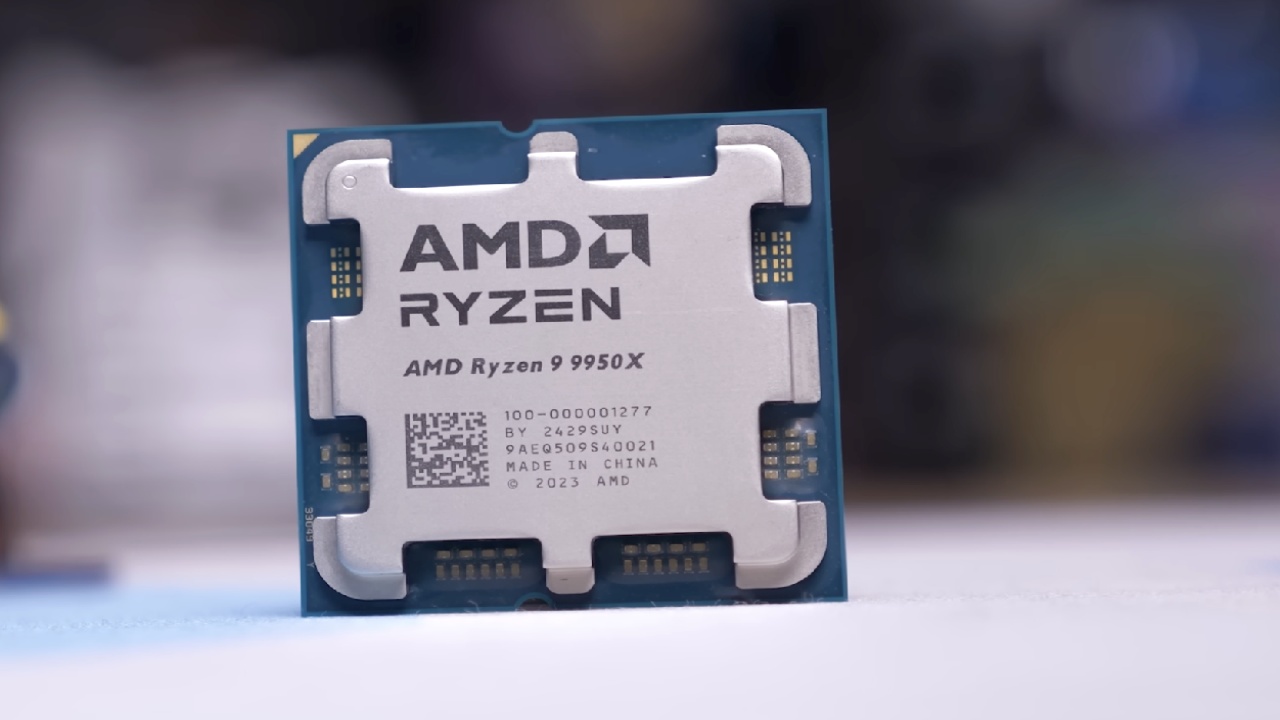
LPDDR6 might fix the APU bottleneck
Memory bandwidth has always been one of the greatest problems with APUs. Integrated GPUs share system memory with the CPU, but discrete GPUs do not. That shared bandwidth quickly becomes a bottleneck when GPU workloads are heavy.
LPDDR6 modifies that. It is said that transfer rates are about 80% faster than LPDDR5. LPDDR6 also increases the width of the subchannels. LPDDR5 uses 16 bits per subchannel, resulting in a 32-bit channel. LPDDR6 increases this to 24 bits per subchannel, making a 48-bit channel.
That higher throughput could make integrated graphics work a lot better. This improvement directly fixes the problem if memory bandwidth has been the main problem.
Zen 6 And RDNA 5 Integration
According to rumors, the Medusa Halo configuration features 24 cores and 48 threads, based on the Zen 6 architecture. The iGPU is likely to use RDNA 5 for graphics.
The current Ryzen Max processors use RDNA 3.5, which is essentially an RDNA 3 chip optimized for mobile devices. Going straight to RDNA 5 is a major architectural step forward. We would see better efficiency, better performance scaling, and better overall graphics.
Faster LPDDR6 memory, Zen6 CPUs, and RDNA 5 graphics might let integrated solutions perform as well as entry-level discrete GPUs.
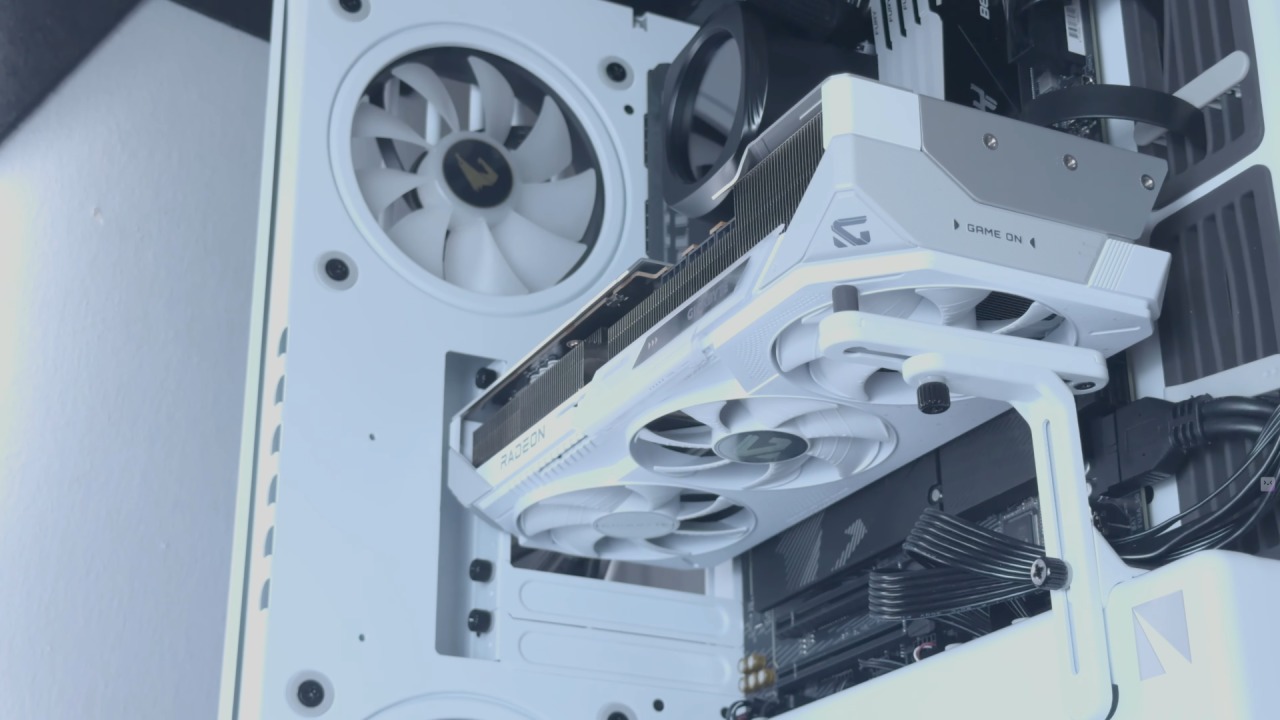
Could APUs Replace Some GPUs?
If AMD does a good job, next-generation Ryzen Max CPUs could make it such that many builds don't need separate GPUs. The performance ceiling might rise significantly for small systems, productivity workstations, and even light gaming configurations.
We probably won't see high-end discrete GPUs go away any time soon, but the lower end of the market could see some big changes. If integrated solutions keep getting better at this rate, you might not need a separate GPU.
AMD's plan is clear: they want to shift the balance between integrated and discrete graphics with LPDDR6, Zen 6, and RDNA 5 coming next. If these leaks are true, the world of GPUs could look very different in just a few years.
Also, check our other hardware articles:
- AMD Ryzen 9 9950X3D Review: Setting The Standard For 2025 Gaming CPU
- Amazon Luna 2025 Review: Is Prime Gaming's Cloud Service Your Go-To For Casual Fun?
- AMD RX 9070 XT Review: AMD's RDNA 4 Champion for 1440p Gaming
- GeForce Now Ultimate: Ditching Your Gaming PC For Cloud RTX 4080 Power?
- NVIDIA GeForce RTX 5080 Review (2025): Still A 4K Gaming Powerhouse?
- Intel Core Ultra 9 285K Review And Performance Breakdown (2025)
- AMD Ryzen 7 9800X3D Review: 3D V-Cache Goes God Mode with Stunning Gaming Performance
- Intel Core Ultra 9 285K vs AMD Ryzen 7 9800X3D: In-Depth Gaming Performance and Benchmark Comparison
- NVIDIA GeForce RTX 5080 Super Performance In Cyberpunk 2077: Path Tracing & DLSS 4.0 Tested
- AMD Radeon RX 9070 XT In Cyberpunk 2077: Ray Tracing & FSR 4.0 Tested
- Intel Arc B580 Review: The $250 GPU Revolutionizing 1440p Gaming
- Intel Arc B570 Vs. B580: Value, Specs, And Real-World Gaming Performance
- RTX 5090 Laptop Vs. M4 Max MacBook Pro: Ultimate Raw Performance Vs. Battery Endurance
- Intel Arc b580 Vs. RTX 4060: Game Performance And Value Analysis
- RTX5090 Hell Is Us Demo 4K Ultra Benchmark: DLSS Vs. Native Performance Guide
- NVIDIA RTX 5070 Review: Mid-Range Muscle or Marketing Hype?
- Nintendo Switch 2 Review: Handheld Performance, Features & Value Breakdown
- RTX 5070 Ti Review: Performance, Thermals & Power Efficiency Tested
- Samsung Odyssey OLED G81SF Review 2025: Ultimate 32-Inch QD-OLED Gaming Monitor
- AMD RX 9070 Performance Review: Thermals, Clocks, and Real-World FPS
- AMD Ryzen 5 7600 Review: Best Budget Gaming CPU of 2025?
- AMD Radeon RX 7800 XT Review: RDNA 3 Power For Midrange Gaming
- Asus ROG RTX 5090 Astral OC Vs. Founders Edition: The 4K Gaming Benchmark
Senior Editor, NoobFeed
Gaming Hardware Updates
No Data.