
AMD RDNA5 vs. Intel Nova Lake: Core Counts, Compute Units, and Future Performance
RDNA5 introduces redesigned compute units with higher core density and increased memory bandwidth, catering to next-generation gaming and workstation GPUs.
Hardware by Tanvir Kabbo on Sep 05, 2025
AMD has been implementing a design where two compute units are stuffed into a single work group processor. Rumors suggest that with GFX13, also known as RDNA5, this structure is set to change. Technically, similar changes are already being applied in AMD's Mi series GPUs under GFX12.5.
On the gaming front, leaks and diagrams of the upcoming GPUs hint at significant structural updates that could affect performance and efficiency.
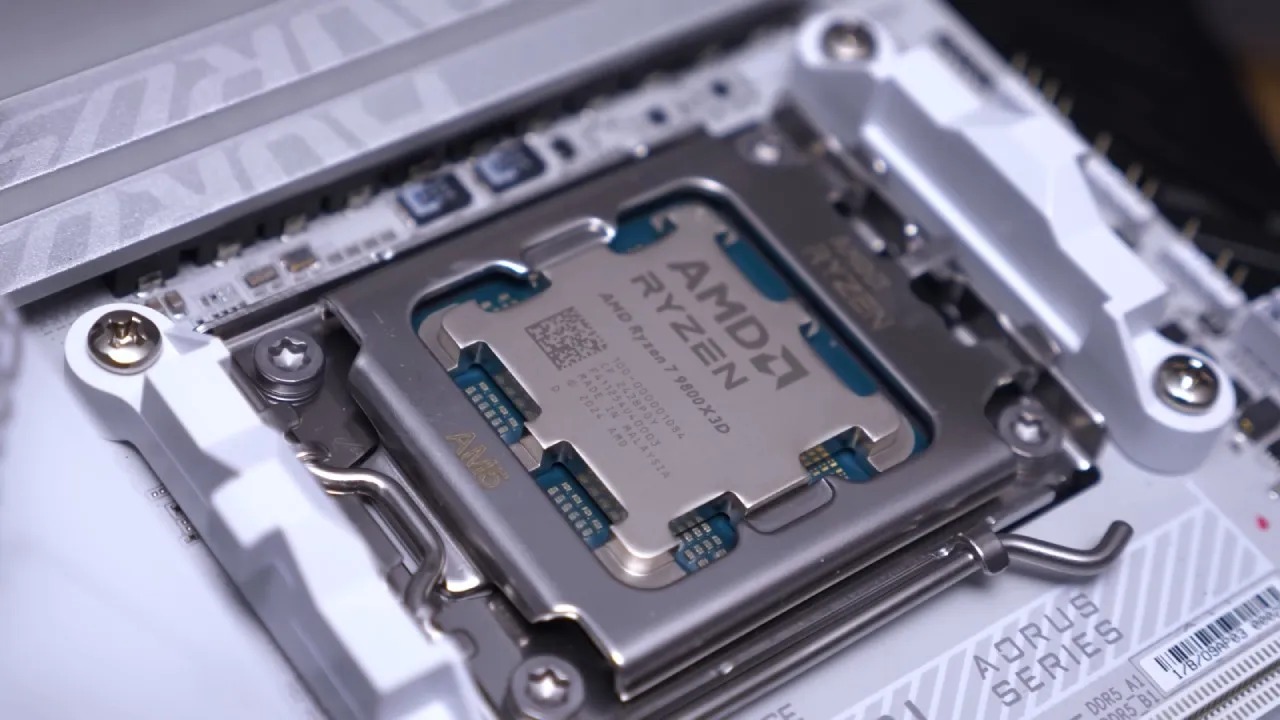
Insights from Industry Leaks
Confirmation about these changes comes from the well-known leaker Zho Zong Ha on the Chip Hell forum. The next generation of GPUs seems to support a new compute unit configuration.
Translation from Chinese sources indicates that one compute unit now contains 128 SP shaders or streaming processors, slightly different from the previous 192 compute units in RDNA4. The rumored consumer versions may include 154 CUs at most, while the top-end variant could reach 192 CUs.
Core Count and Structure
For context, 96 compute units in the new RDNA5 arrangement would be equivalent to 192 compute units in the RDNA4 language, resulting in 12,288 cores. Variants with 40, 24, and 12 computing units would have 5120, 3,072, and 1,536 cores, respectively.
The top-end GPU is supposedly divided into eight shader arrays, which are further divided into 16 shader engines, each with six compute units.
Lesser variants have slightly different distributions, such as five compute units per shader engine. These GPUs will also feature a 512-bit memory bus, offering substantial memory bandwidth for gaming workloads.
Performance Expectations
AMD appears to be confident in its next products, particularly those for data center applications, with design teams working hard to enhance efficiency and performance. Collaboration with Microsoft and Sony on the next-generation Xbox and PlayStation consoles is expected to improve the gaming performance of RDNA5.
However, there is a limit on how many compute units, CUDA cores, or other GPU resources may be added while still satisfying practical power and cooling needs. Even for the best GPUs, thermal control and power usage are important factors.
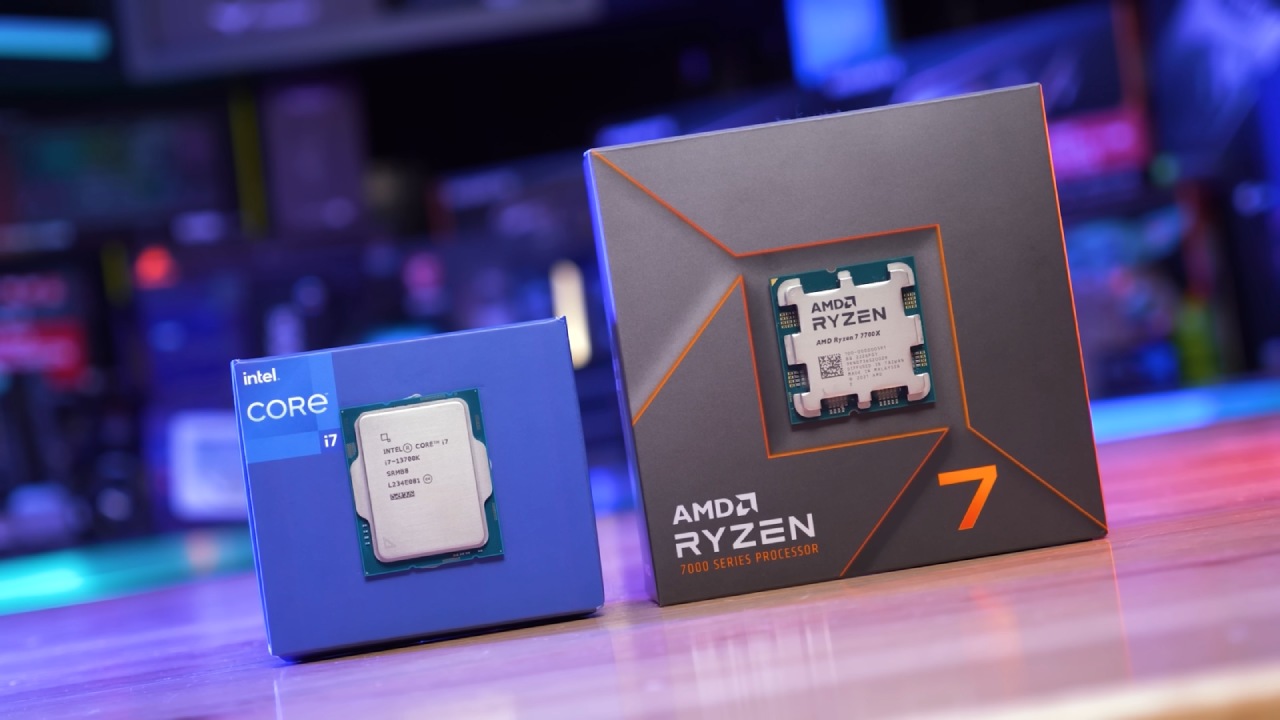
Super Cores Defined by Software
AMD's software-defined super core patent is another noteworthy advancement. In essence, multiple processor cores can be combined to create a "super core," thereby enhancing single-thread performance.
Conceptually, it is somewhat like hyperthreading or SMT, but instead of splitting a core's resources across multiple threads, a single thread can be split across multiple cores.
While technically complex, this design enables two or more cores to collaborate for improved performance on demanding workloads.
It is important to note that these super cores are unlikely to appear in the upcoming Nova lineup and may be targeted for 2027 or even 2029 products. Patents do not guarantee product releases, but they do provide insight into AMD's research direction.
Intel's Competitive Position
Intel has had issues with its Arrow Lake processors, but Nova Lake shows promise, especially with ECores handling much of the effort. According to Intel executives, Nova Lake is likely to compete more successfully with AMD's Zen architecture.
While consumer PC cores are adequate, ECores appear to offer significant performance gains.
Given AMD's upcoming releases, it will be interesting to see how Intel's approach changes over the course of the forthcoming year.
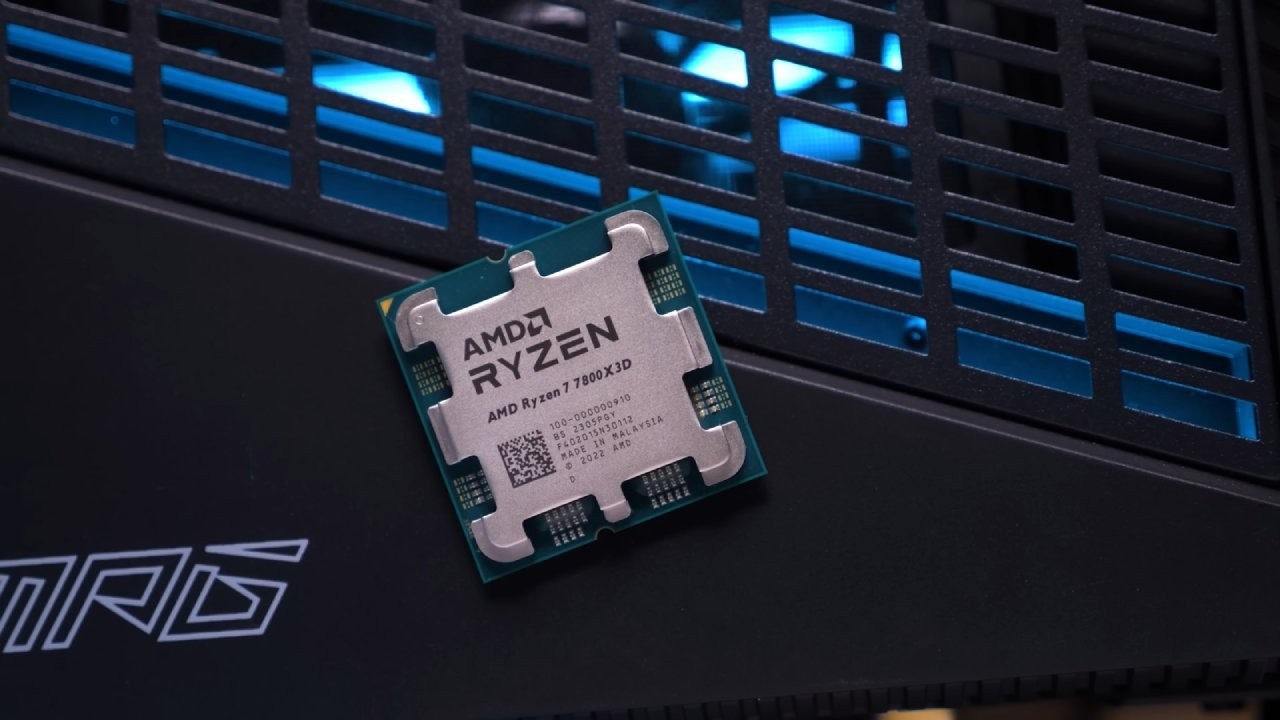
Final thoughts
More power and efficiency are available with the next generation of GPUs, especially for data-intensive tasks and gaming.
While RDNA5 provides structural modifications and perhaps increased core counts, Intel and Nvidia will continue to push the technological envelope in response.
Both AMD and Intel appear to be making great progress toward maximizing performance while remaining within practical power and cooling limits.
Check Our Other Intel Chips Articles:
- Intel Core Ultra 9 285K Review And Performance Breakdown (2025)
- Intel Core Ultra 9 285K vs AMD Ryzen 7 9800X3D: In-Depth Gaming Performance and Benchmark Comparison
- Intel Core i5-13400F Gaming Performance: Still Worth It in 2025?
- Intel Core i9‑14900K vs. AMD Ryzen 7 7800X3D: Power Profiles & Gaming Benchmarks
- Intel Core i9 14900K: Specs, Benchmarks, and Competitor Comparison
- Intel Core Ultra 5 245K Review: Gaming, Productivity & Power Efficiency Tested
- Intel Core Ultra 9 285 K's iGPU Gaming: In-Depth Benchmarks & Analysis
- Intel vs. AMD Gaming Laptop: Performance, Thermals & Battery Life Compared
- AMD Ryzen 7 9800X3D vs.7800X3D vs. Intel Core Ultra 7 265K: Gaming, Thermals & Price Analysis
Senior Editor, NoobFeed
Gaming Hardware Updates
No Data.